Meta description: Discover the hidden radiator function that can help you save money on heating bills. Learn how to use your radiator efficiently and reduce home energy costs.
Hidden Radiator Function That Can Save You Hundreds on Heating Costs
Heating bills continue to rise, and many households are searching for practical ways to reduce energy consumption. What most people don’t realize is that many radiators have a hidden function that can significantly lower heating costs—without expensive renovations or new equipment.
Yes, it’s true. By simply adjusting your radiator settings correctly, you could save hundreds on heating over time. The best part? This smart heating trick is already built into your system.
Why Heating Bills Are Higher Than Necessary
Many homeowners unknowingly waste energy because they don’t fully understand how their radiator thermostat works. Turning the dial to the maximum setting doesn’t heat your room faster—it only keeps the radiator running longer than necessary.
Common heating mistakes include:
- Setting the thermostat too high
- Blocking radiators with furniture
- Not bleeding radiators regularly
- Ignoring thermostat numbers and their meaning
Understanding how to use your radiator efficiently can dramatically improve energy efficiency at home.
The Hidden Radiator Function: Thermostat Numbers Explained
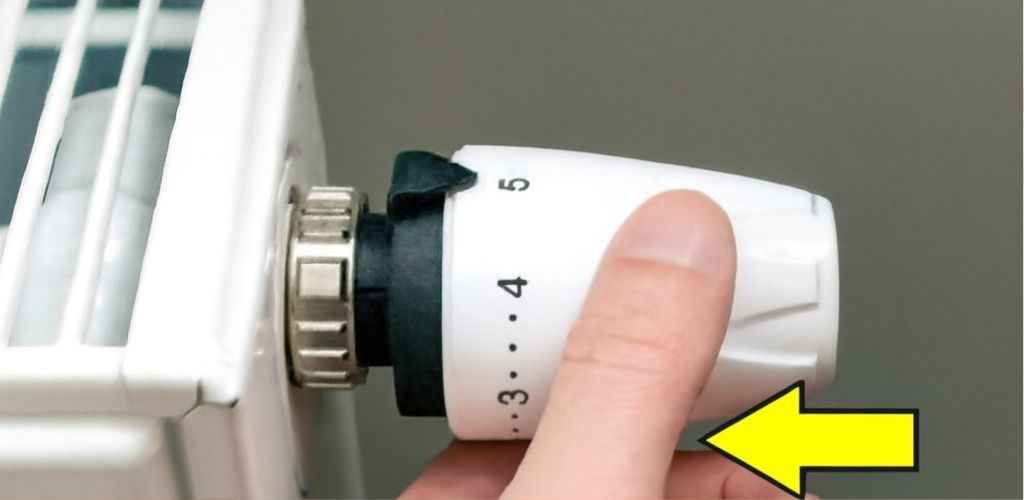
Most modern radiators come with a thermostatic radiator valve (TRV). Instead of random numbers, these settings actually correspond to specific room temperatures.
What the Numbers Mean
| Thermostat Setting | Approximate Temperature | Recommended Use |
|---|---|---|
| * | 6–8°C (43–46°F) | Frost protection |
| 1 | 12°C (54°F) | Storage rooms |
| 2 | 16°C (61°F) | Bedrooms |
| 3 | 20–21°C (68–70°F) | Living rooms |
| 4 | 24°C (75°F) | Bathrooms |
| 5 | 28°C (82°F) | Rarely needed |
For most households, setting your radiator to level 3 is optimal for comfort and energy savings.
Turning it higher does not heat the space faster—it simply increases energy use.
How to Save Money on Heating Immediately
If you want to reduce heating bills quickly, follow these simple energy-saving tips:
1. Set the Thermostat Properly
Keep main living areas at level 3 (around 20°C). Lower it in unused rooms.
2. Bleed Your Radiators
If your radiator feels cold at the top, trapped air may reduce efficiency.
3. Avoid Blocking Heat
Keep furniture and curtains away from radiators.
4. Lower Temperature at Night
Reducing the temperature by just 1°C can lower heating costs by up to 6%.
5. Use Zoning Wisely
Heat only the rooms you use regularly.
You can also explore our guide on home energy efficiency tips and smart household savings strategies for more ways to cut utility bills.
Why This Small Adjustment Makes a Big Difference
Heating accounts for a large percentage of household energy consumption. Even minor thermostat adjustments can result in noticeable annual savings.
Benefits of optimizing your radiator settings:
- Lower monthly energy bills
- Improved home comfort
- Reduced carbon footprint
- Longer lifespan of heating systems
Energy efficiency doesn’t require expensive upgrades—just smarter usage.
For further general information about energy-saving practices, consult official energy efficiency resources available in your country.
Final Tip for Smarter Heating
The “hidden” radiator function isn’t really hidden—it’s just misunderstood. Once you know how thermostat levels work, you can control your indoor temperature more effectively and avoid wasting money.
Small changes create long-term savings.
If you found this heating cost-saving tip useful, follow our page for more practical home improvement advice, like this article, and share it with friends and family. Help others discover simple ways to save money at home.