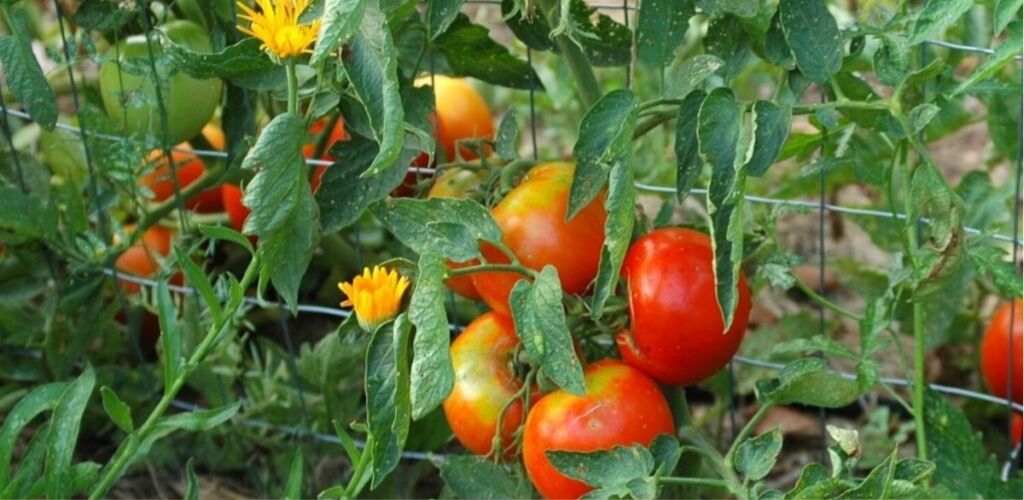
Why plant marigolds with tomatoes: a simple trick that will significantly help the harvest
Growing tomatoes brings a lot of joy, but also a lot of challenges. These beloved plants are not only tasty to us – they also attract insects, slugs, rodents and various soil pests. Fortunately, there is a natural and proven way to help tomatoes: planting them with marigolds.
Co-planting: when plants help each other
There are many symbiotic relationships in nature – and this is also true for plants. Some enrich the soil, others repel pests or attract beneficial insects. The right neighbors can improve plant health, increase yields and reduce the need for chemical protection.
In this regard, marigolds are one of the best companion plants for tomatoes.
I wish you health and well-being with herbs! 🌿
If you liked this tip, save it and share it with your friends – you are helping to spread folk medicine and a healthy lifestyle. 💚
5 main reasons to grow marigolds with tomatoes
1. They attract pollinators and beneficial insects
Marigolds attract bees, butterflies, ladybugs, and other beneficial insects, which promote pollination and help control pests such as aphids and caterpillars.
2. They act as bait for slugs and snails
Slugs love tomatoes, but marigolds even more. If you plant them around tomatoes, the pests will focus on them and leave the tomatoes alone. Plus, slugs on marigolds are easy to spot and remove.
3. They repel larger animal pests
The strong scent of marigolds often deters rabbits, deer, cats, and other uninvited garden visitors, giving your tomatoes a better chance of growing without damage.
4. They improve soil health
Tomatoes often suffer from root-knot nematodes. Marigolds actively suppress these parasites – substances in their roots kill the nematodes before they can reproduce. This makes them ideal for problematic beds.
5. They help against caterpillars and tomato worms
Marigolds repel butterflies that lay eggs on tomatoes, while also attracting parasitic wasps that eliminate caterpillars and other pests naturally.
How to plant marigolds with tomatoes
You can use marigolds:
- plant as a continuous border around the flower bed,
- place between individual tomato plants,
- combine different types for maximum effect.
Smaller varieties are closer to the tomatoes, taller ones are better to put a little further away.
The most common types of marigolds for the vegetable garden
There are over 50 species of marigolds (Tagetes), but three are most commonly used:
- African marigold (Tagetes erecta) – tall, ideal against larger pests
- French marigold (Tagetes patula) – excellent against nematodes
- Signet marigold (Tagetes tenuifolia) – great for attracting pollinators
Each of them has its own advantages and you will achieve the best results by combining them.
Which marigold to choose according to the problem
- Against deer and rabbits: African marigold
- Against nematodes: French marigold
- For pollinators and beneficial insects: signet marigold
- Against caterpillars and worms: all types
How to grow marigolds
Marigolds are unpretentious annuals:
- they can be sown directly into the garden bed after frost,
- or pre-grow indoors about 4 weeks before the last frost,
- They bloom after about 10 weeks.
They are often sold as ready-made seedlings, so you can plant them directly with your tomatoes without any further work.
Marigolds are not just a beautiful addition to your garden – they are a great ally for tomatoes. Try planting them this year and you will see the difference at first sight.
Which type of marigold do you like to grow with tomatoes?