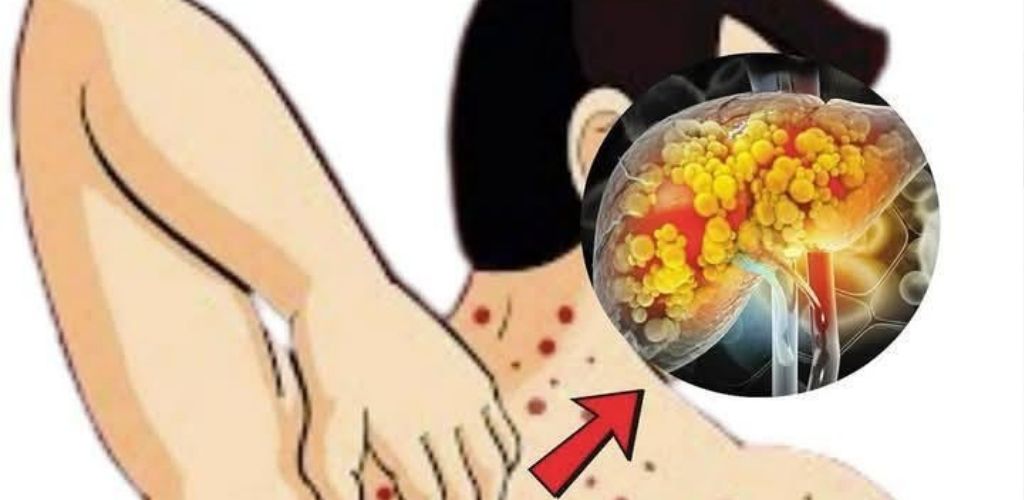
Fatty liver disease (hepatic steatosis) is an increasingly common condition, often asymptomatic in its early stages. Many are unaware of the warning signs of this condition, which can lead to serious complications if left untreated. In this article, we’ll explore the four main signs of fatty liver disease, providing helpful information for recognizing and treating them before they become problematic.
1. What is Fatty Liver Disease?
1.1 Definition
Fatty liver disease is characterized by the accumulation of fat in liver cells. It can be divided into two main categories:
– **Non-alcoholic fatty liver disease (NAFLD)**: Not related to alcohol consumption, it is often associated with obesity, diabetes, and metabolic syndrome.
– **Alcoholic fatty liver disease (AFLD)**: Caused by excessive alcohol consumption.
1.2 Prevalence
This condition has become one of the most common chronic diseases globally. It is estimated that approximately 25% of the world’s population may be affected by fatty liver disease, with the incidence rising.
2. The 4 Signs of Fatty Liver Disease
2.1 Fatigue and Tiredness
One of the most common signs of fatty liver disease is chronic fatigue. Affected individuals may feel constantly tired, even after resting.
Why It Happens
The liver plays a crucial role in metabolism and energy production. When this organ is overloaded with fat, its ability to metabolize nutrients and produce energy decreases, leading to a feeling of fatigue.
How to Recognize It
If you consistently feel fatigued, even after a good night’s sleep, it’s important to pay attention. Fatigue can be a warning sign that your liver is struggling to function properly.
2.2 Pain or Discomfort in the Right Upper Abdomen
Another important sign is pain or discomfort in the upper right part of the abdomen, where the liver is located.
Why It Happens
Fat accumulation in the liver can cause inflammation and enlargement of the organ, leading to a feeling of pressure or pain. This symptom is often overlooked, but it can be a clear indicator of liver problems.
How to Recognize It
If you notice persistent pain or discomfort in this area, especially after eating heavy or fatty meals, don’t ignore it. It’s advisable to consult a doctor for further evaluation.
2.3 Changes in Weight and Appetite
Changes in weight, whether increasing or decreasing, can be a warning sign.
Why It Happens
Fatty liver disease can affect metabolism, leading to weight gain, often associated with obesity. In some cases, it can also cause loss of appetite and subsequent weight loss.
How to Recognize It
If you notice sudden changes in your weight or appetite, it’s important to monitor these signs. An increase in body weight, especially in the abdominal area, may be a sign of fatty liver disease.
2.4 Yellowing of the Skin and Eyes (Icterus)
Jaundice is a condition in which the skin and whites of the eyes become yellow.
Why It Happens
Jaundice occurs when the liver fails to process bilirubin, a substance produced by the breakdown of red blood cells. A fatty liver can impair this function, leading to a buildup of bilirubin in the blood.
How to Recognize It
If you notice yellowing of your skin or eyes, it’s crucial to seek immediate medical attention. This symptom may indicate a serious liver problem that requires attention.
3. Risk Factors Associated with Fatty Liver Disease
3.1 Obesity
Obesity is one of the main risk factors for fatty liver disease. Excess weight increases the likelihood of fat accumulation in the liver.
3.2 Type 2 Diabetes
People with diabetes are more susceptible to non-alcoholic fatty liver disease. Insulin resistance, common in diabetes, can contribute to the accumulation of fat in the liver.
3.3 Sedentary Lifestyle
A sedentary lifestyle can increase the risk of fatty liver disease. Regular physical activity is essential for maintaining a healthy liver.
3.4 Unhealthy Eating
A diet high in saturated fats, sugars, and refined carbohydrates can contribute to the accumulation of fat in the liver. A balanced diet is essential to prevent this condition.
4. Diagnosis of Fatty Liver Disease
4.1 Blood Tests
Doctors may do blood tests to evaluate liver enzyme levels, which may be elevated if you have liver problems.
4.2 Ultrasound
An abdominal ultrasound can reveal a buildup of fat in the liver. This is one of the most common methods for diagnosing fatty liver disease.
4.3 Liver Biopsy
In some cases, a liver biopsy may be necessary to assess the degree of inflammation and liver damage. This is an important step in determining the appropriate treatment.
## 5. Treatments and Remedies
5.1 Dietary Changes
Eating a balanced and healthy diet is essential for managing and preventing fatty liver disease. It’s important to avoid foods high in saturated fats and sugars.
5.2 Physical Activity
Regular exercise can help reduce liver fat and improve overall health. It’s recommended to aim for at least 150 minutes of moderate aerobic activity per week.
5.3 Medicines
In some cases, your doctor may prescribe medications to manage associated risk factors, such as diabetes or hyperlipidemia.
5.4 Monitoring
It is important to regularly monitor your liver health through medical check-ups and follow-up tests.
6. Conclusion
Fatty liver disease is a serious but often overlooked condition. Recognizing early signs is crucial to preventing more serious complications. Fatigue, abdominal pain, weight changes, and jaundice are all signs that should not be ignored.
Adopting a healthy lifestyle, including a balanced diet and regular physical activity, can make a difference in preventing and managing this disease. If you notice one or more of these signs, consult a doctor for a thorough evaluation. Liver health is crucial to your overall well-being, and recognizing the signs early can help you maintain a healthy and active life.