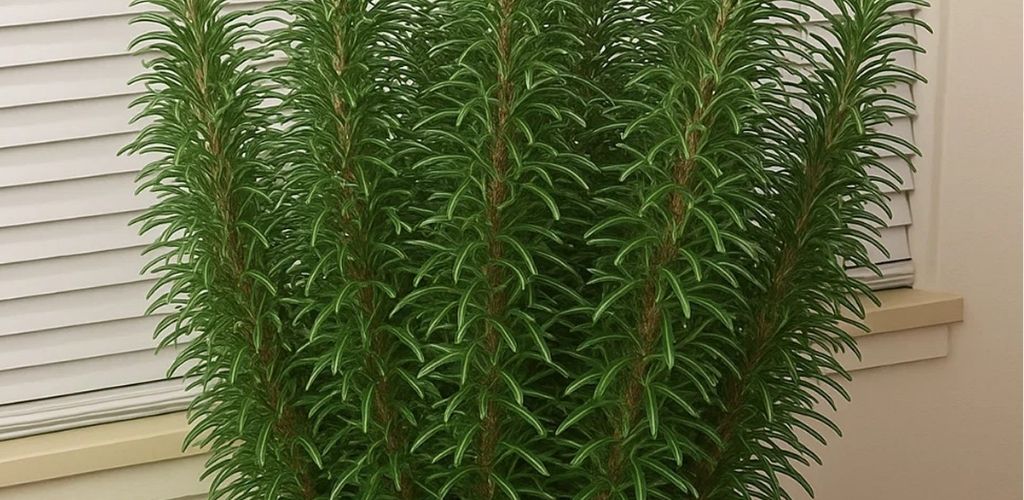
Having plants at home is very satisfying, and even more so if they are aromatic and can be used in cooking. Rosemary is one of the most versatile and widely used aromatic plants in our traditional cuisine.
However, it’s very common to buy a rosemary plant, bring it home, and watch it slowly decline, wilting rapidly. This can happen for a variety of reasons, but fortunately, it can be avoided by following a few simple rules.
If you’re also trying to keep your rosemary plant alive, try the following care to keep it healthy and make it last for years.
1. Proper location:
Rosemary originates from temperate climates, so it’s essential to place the plant in a sunny spot. Rosemary prefers full sun and requires 6-8 hours of full sunlight.
If you live in an area with very harsh winters, apply a protective cover to the plant during the coldest days and nights.
2. Good drainage:
Rosemary needs dry, rocky, and permeable soil. Make sure the soil is well-drained.
Rosemary roots tend to rot with overwatering. You’ll notice this because the plant begins to dry out from the bottom up.
3. Fertilizer
Rosemary needs nutrient-poor soil, so it is not necessary to apply fertilizer.
4. Watering:
Watering your rosemary plant should be very infrequent. One way to check if it needs watering is to stick your finger in the soil and check the moisture content.
5. Insects
The rosemary plant is very resistant to insects and other parasites, although excess humidity can cause the appearance and proliferation of fungi, which appear in the form of a whitish powder.
In this case, you can apply a little neem oil, which is excellent against fungi and insects.
6. Pruning
An often overlooked aspect of rosemary plant care is pruning. Weak branches should be removed annually; minimal pruning is sufficient to ensure the plant has the space it needs.
If cared for properly, the rosemary plant will soon convert into a shrub and can last for many years.