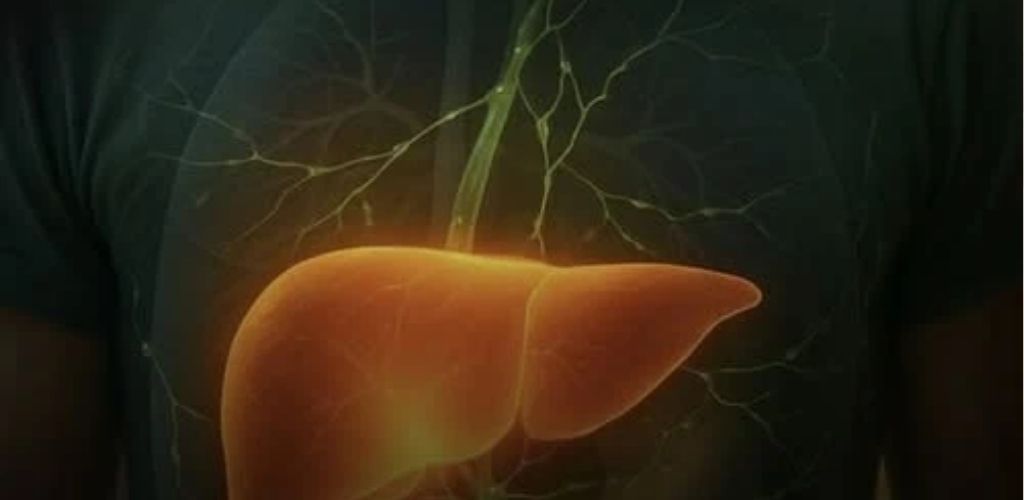
The liver is one of those organs we rarely think about—until something goes wrong. It quietly performs over 500 vital functions, filtering toxins, producing bile, storing nutrients, and regulating metabolism. It’s the body’s chemical processing plant, working 24/7 without thanks or recognition.
But when the liver starts to struggle, it has ways of getting your attention. And one of the most common signals is pain.
Not always where you’d expect it. Not always obvious. But once you know what to look for, your body’s messages become clear.
First, Where Is Your Liver?
Your liver sits in the upper right quadrant of your abdomen, just below your rib cage. It’s a large organ—about the size of a football—and extends across the midline toward your left side.
When your liver is healthy, you generally can’t feel it. But when it becomes inflamed, enlarged, or damaged, it can press against surrounding tissues and send pain signals that range from dull aches to sharp, stabbing sensations.
The Primary Pain Location: Upper Right Abdomen
The most direct signal of liver distress is pain or discomfort in the upper right portion of the abdomen, right where the liver lives.
What it might feel like:
- A dull, aching sensation
- A feeling of fullness or pressure under the ribs
- Sharp, stabbing pain (less common, but possible)
- Discomfort that worsens after eating, especially fatty meals
What causes it: When the liver becomes inflamed (hepatitis), enlarged (hepatomegaly), or develops fatty deposits, it stretches the capsule that surrounds it. This capsule is rich in nerve endings, and stretching it creates pain.
Referred Pain: When the Liver Hurts Elsewhere
Here’s where it gets confusing. The liver shares nerve pathways with other parts of the body, so pain can radiate or “refer” to distant locations.
Upper Right Back and Shoulder
Many people with liver issues report pain between the shoulder blades or in the right shoulder. This is called referred pain—the brain gets signals from the same nerve pathways and interprets them as coming from a different location.
What it might feel like:
- A dull ache between the shoulder blades
- Pain in the right shoulder that comes and goes
- Discomfort that doesn’t seem related to muscle strain
Right Neck and Jaw
In some cases, referred pain can even travel up to the right side of the neck or jaw.
Abdominal Swelling and Discomfort
As liver disease progresses, fluid can accumulate in the abdomen—a condition called ascites.
What it feels like:
- Rapid weight gain (from fluid, not fat)
- Abdominal bloating and distension
- A sense of heaviness or tightness
- Difficulty buttoning pants
- Shortness of breath (from fluid pressing against the diaphragm)
Why it happens: A damaged liver can’t produce enough albumin, a protein that keeps fluid in blood vessels. Fluid leaks out and collects in the abdominal cavity.
Other Body Signals of Liver Distress
Liver problems rarely limit themselves to the abdomen. The organ’s far-reaching effects mean symptoms can appear throughout the body.
1. Severe Itching (Especially on Hands and Feet)
When the liver struggles to process bile, bile salts can accumulate under the skin, causing intense itching.
What it feels like: Deep, persistent itching that doesn’t respond well to lotions or antihistamines. Often worse at night.
2. Joint Pain
The buildup of toxins and inflammation associated with liver disease can trigger joint pain and swelling.
What it feels like: Achy, stiff joints, sometimes mistaken for arthritis. Often affects multiple joints.
3. Fatigue and Weakness
This is one of the most common—and most overlooked—symptoms of liver issues.
What it feels like: Overwhelming exhaustion that rest doesn’t fix. Feeling “heavy” or unable to muster energy.
4. Mental Fog and Confusion
In advanced liver disease, toxins can build up in the blood and affect the brain—a condition called hepatic encephalopathy.
What it feels like:
- Confusion and disorientation
- Difficulty concentrating
- Forgetfulness
- Personality changes
- Sleep disturbances
5. Headaches
The buildup of toxins can trigger persistent headaches, often described as dull and constant.
Other Signs Your Liver May Be Struggling
Beyond pain, your body sends other signals worth noticing:
- Jaundice – Yellowing of the skin and eyes (a later sign)
- Dark urine – The color of tea or cola
- Pale or clay-colored stools
- Nausea and vomiting – Especially after fatty meals
- Loss of appetite
- Unexplained weight loss
- Easy bruising or bleeding – The liver produces clotting factors
- Swollen ankles or legs – Fluid retention
Common Liver Conditions That Cause Pain
| Condition | Description | Pain Pattern |
|---|---|---|
| Fatty liver disease | Fat accumulation in liver cells | Dull ache in upper right abdomen; often no pain in early stages |
| Hepatitis (viral or alcoholic) | Liver inflammation | Upper right abdominal pain, sometimes severe |
| Cirrhosis | Scarring of the liver | Can be painless initially; later causes generalized discomfort and ascites |
| Liver abscess | Pus-filled pocket in liver | Severe pain, fever, tenderness |
| Gallbladder issues | Often mistaken for liver pain | Sharp pain after eating, can radiate to back/shoulder |
When to See a Doctor
Seek medical attention if you experience:
- Persistent pain in the upper right abdomen
- Unexplained fatigue that doesn’t improve with rest
- Jaundice (yellowing of skin or eyes)
- Dark urine or pale stools
- Unexplained weight loss
- Abdominal swelling
- Severe itching without rash
- Confusion or personality changes
If you have risk factors for liver disease (heavy alcohol use, family history, obesity, diabetes, certain medications), mention them to your doctor even if symptoms seem mild.
What Your Doctor Might Do
- Blood tests – Liver function tests (ALT, AST, ALP, bilirubin)
- Imaging – Ultrasound, CT scan, or MRI to visualize the liver
- Fibroscan – Measures liver stiffness (scarring)
- Biopsy – If needed to diagnose specific conditions
Supporting Liver Health
Do:
- Maintain a healthy weight
- Eat a balanced diet rich in vegetables, fruits, and whole grains
- Limit alcohol consumption
- Exercise regularly
- Stay hydrated
- Get vaccinated for hepatitis A and B
- Use medications (including acetaminophen) as directed—overuse can damage the liver
Don’t:
- Don’t ignore persistent symptoms
- Don’t mix alcohol with acetaminophen or other medications
- Don’t use unregulated herbal supplements (some can harm the liver)
The Bottom Line
Your liver is remarkably resilient. It can regenerate and heal if given the chance. But it also sends signals when it’s struggling—signals you should never ignore.
Pain in the upper right abdomen, referred pain to the back or shoulder, unexplained fatigue, and changes in digestion or appearance all deserve attention.
Listen to your body. It’s telling you something.
If something feels off, see a doctor. Early detection makes all the difference.