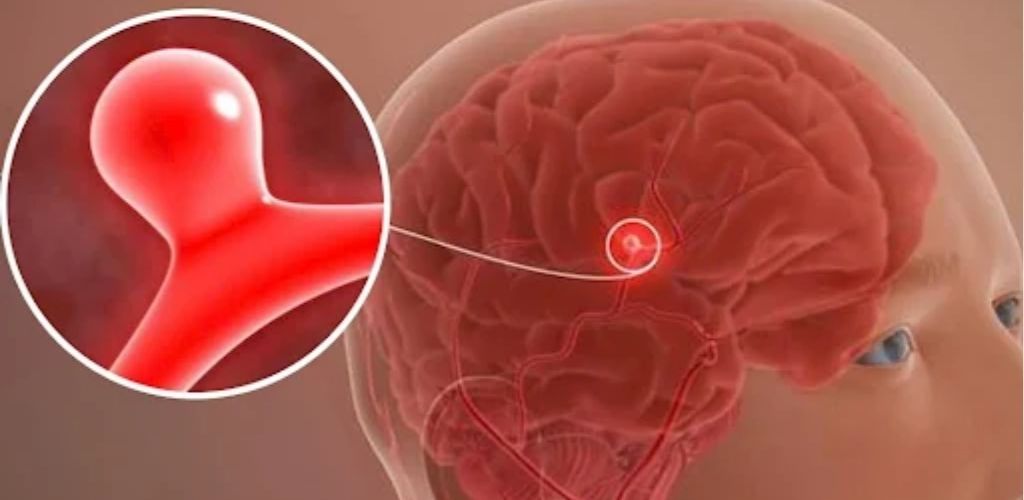
A brain aneurysm is often called a “silent killer” for good reason. Many people live with unruptured aneurysms for years without knowing it. But when an aneurysm leaks or ruptures, it becomes a life-threatening emergency where every minute counts.
The challenge? The symptoms can be subtle—or sudden and severe. Knowing what to look for could save your life or the life of someone you love.
Important note: This information is for educational purposes. If you suspect a brain aneurysm, call emergency services immediately.
What Is a Brain Aneurysm?
A brain aneurysm is a weak or thin spot on a blood vessel in the brain that balloons out and fills with blood. Think of it like a weak spot on a balloon that bulges outward. If it ruptures, it causes bleeding in the brain—a hemorrhagic stroke that can lead to brain damage, disability, or death.
Two types of symptoms to know:
- Unruptured aneurysm: May cause no symptoms or mild symptoms if it presses on nearby structures
- Ruptured aneurysm: Causes sudden, severe symptoms that require immediate medical attention
Signs of an Unruptured Aneurysm (Before Rupture)
Many unruptured aneurysms cause no symptoms at all. But if they grow large enough to press on surrounding nerves or brain tissue, you might experience:
1. Localized Headache
Not the typical tension headache—but a persistent, unusual headache in a specific spot, often behind or above one eye.
2. Vision Changes
- Blurred or double vision
- A dilated pupil
- Drooping eyelid on one side
- Difficulty seeing to one side
3. Pain Above or Behind the Eye
A dull, persistent ache that doesn’t go away with normal pain relievers.
4. Numbness or Weakness
Usually on one side of the face or body, caused by pressure on specific nerves.
5. Difficulty Speaking
Slurred speech or trouble finding words.
6. Seizures
In some cases, an unruptured aneurysm can cause seizure activity.
Signs of a Ruptured Aneurysm (Medical Emergency)
When an aneurysm ruptures, symptoms are usually sudden and severe. Call emergency services immediately if you or someone near you experiences:
7. The “Thunderclap” Headache
This is the most classic symptom—a sudden, extremely severe headache often described as “the worst headache of my life.” It hits like a clap of thunder, peaking within seconds to minutes.
8. Nausea and Vomiting
Often accompanying the severe headache, sometimes without warning.
9. Stiff Neck
Sudden neck stiffness or pain, especially when trying to touch your chin to your chest. This can indicate irritation from bleeding around the brain.
10. Sudden Vision Changes
- Blurred or double vision
- Sudden sensitivity to light (photophobia)
- Vision loss
11. Loss of Consciousness
Fainting, passing out, or difficulty waking up.
12. Sudden Confusion or Personality Changes
- Difficulty understanding speech
- Confusion about time, place, or identity
- Agitation or unusual behavior
Other Possible Symptoms
Depending on the location and severity of the bleed, you might also experience:
- Drooping eyelid on one side
- Seizures (with or without previous history)
- Weakness or numbness on one side of the body
- Difficulty walking or sudden dizziness
- Cardiac arrest (in severe cases)
Risk Factors for Brain Aneurysms
While aneurysms can happen to anyone, certain factors increase risk:
Uncontrollable Risk Factors:
- Age – Most common in people 35-60
- Gender – Women are more likely than men
- Family history – Having a first-degree relative with an aneurysm
- Certain genetic conditions – Polycystic kidney disease, connective tissue disorders
- Previous aneurysm – Having had one increases risk of another
Controllable Risk Factors:
- High blood pressure – The most significant modifiable risk factor
- Smoking – Dramatically increases risk
- Drug use – Particularly cocaine and amphetamines
- Heavy alcohol use
- Head trauma
What to Do If You Suspect an Aneurysm
If you have symptoms of an UNRUPTURED aneurysm:
- See a doctor promptly, especially if symptoms are new, persistent, or concerning
- Be specific: “I have this headache in one spot that won’t go away”
- Mention any risk factors (family history, smoking, high blood pressure)
If you have symptoms of a RUPTURED aneurysm:
Call emergency services immediately. Do not drive yourself. Do not wait to see if symptoms improve. Every minute counts.
How Are Aneurysms Diagnosed?
If a doctor suspects an aneurysm, they may order:
- CT scan – Quick, widely available, can detect bleeding
- CT angiogram – Shows blood vessels in detail
- MRI/MRA – Detailed images without radiation
- Cerebral angiogram – The most detailed test; involves threading a catheter through blood vessels
Treatment Options
Treatment depends on the aneurysm’s size, location, and whether it has ruptured:
For Unruptured Aneurysms:
- Monitoring – Small aneurysms may be watched with regular imaging
- Medication – To control blood pressure and other risk factors
- Surgical clipping – A metal clip placed at the base to stop blood flow
- Endovascular coiling – Tiny platinum coils inserted to block the aneurysm
For Ruptured Aneurysms:
Emergency treatment to stop bleeding and prevent re-bleeding, usually through surgical clipping or endovascular coiling, plus management of complications.
Prevention: What You Can Do
While you can’t control all risk factors, you can reduce your risk:
- Control blood pressure – Get it checked regularly; keep it in a healthy range
- Don’t smoke – If you smoke, seek help to quit
- Limit alcohol – Heavy drinking increases risk
- Avoid stimulant drugs – Cocaine and amphetamines are particularly dangerous
- Know your family history – If close relatives had aneurysms, tell your doctor
- Manage stress – Chronic stress contributes to high blood pressure
The Bottom Line
Brain aneurysms are serious, but awareness saves lives. Knowing the signs—especially the “thunderclap” headache—could mean the difference between getting help in time and devastating consequences.
If you experience the worst headache of your life, sudden vision changes, or any of the symptoms described, don’t wait. Don’t question. Don’t drive yourself. Call for help immediately.
You are not overreacting. You are not being dramatic. You are protecting your brain, your life, and your future.