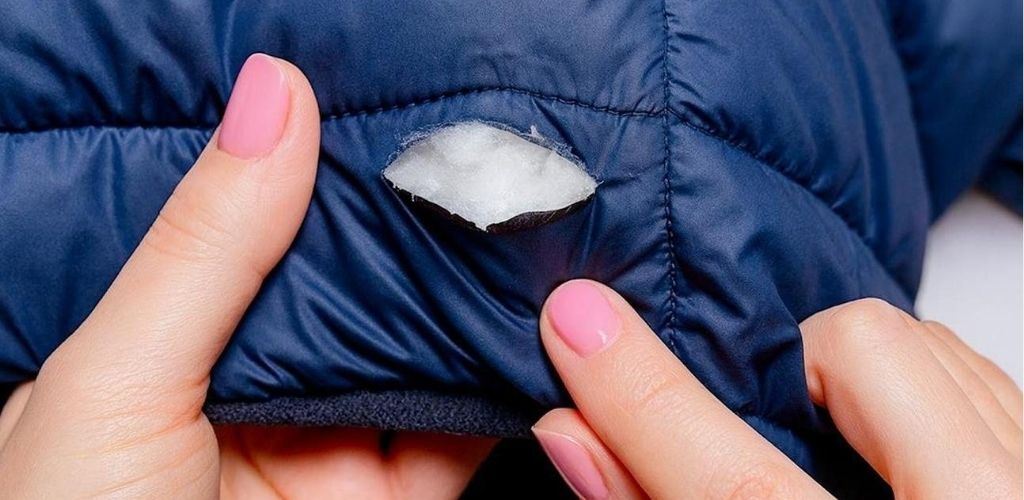
We’ve all been there: that annoying moment. You’re wearing your favorite jacket, the one that fits you perfectly, and then… a small tear. A scratch that threatens to turn into a real hole, or worse, a piece of clothing you love but are hesitant to wear “because the seam is coming apart.” What if, instead of abandoning your jacket in the back of the closet or rushing to the tailor, you learned how to repair it in a few simple steps? You’ll see: even without being a sewing expert, there are very accessible techniques to save your clothes in just a few minutes.
Why do these little holes appear… and how can I control them?
Before reaching for the needle or iron, it’s helpful to understand the causes of these small damages. A jacket, especially if worn every day, is naturally subject to friction: bags, armrests, seat belts, objects in pockets… Not to mention thin hangers that pull on the fibers. The result: a small tear can quickly turn into a hole. The good news? The sooner you intervene, the simpler and more discreet the repair will be.
Tip #1: Iron-on patches, the quick and reliable solution
. If I had to choose the fastest method, this would undoubtedly be it. An iron-on patch is a small piece of fabric with an adhesive backing that attaches in seconds using the heat of the iron.
It is particularly appreciated because it protects jackets that are too thin to be sewn neatly, but also thicker fabrics that require good support.
How to do it?
Clean the area around the hole: a clean cloth adheres better.
Position the patch inside the garment.
Iron according to the manufacturer’s instructions, pressing firmly.
Let it cool before putting the jacket on.
The result is durable, quick, and often invisible if you choose a matching patch.
Tip #2: Hand sewing is perfect for small holes
Do you like precise work? This method is for you. For small holes of just a few millimeters, a narrow point is more than sufficient.
Steps:
Turn the coat inside out.
Using a thin needle and matching thread, gently sew the edges of the fabric together.
Make small, even stitches, then tie a discreet knot.
This technique is ideal for jackets made of cotton, polyester, or fine wool.