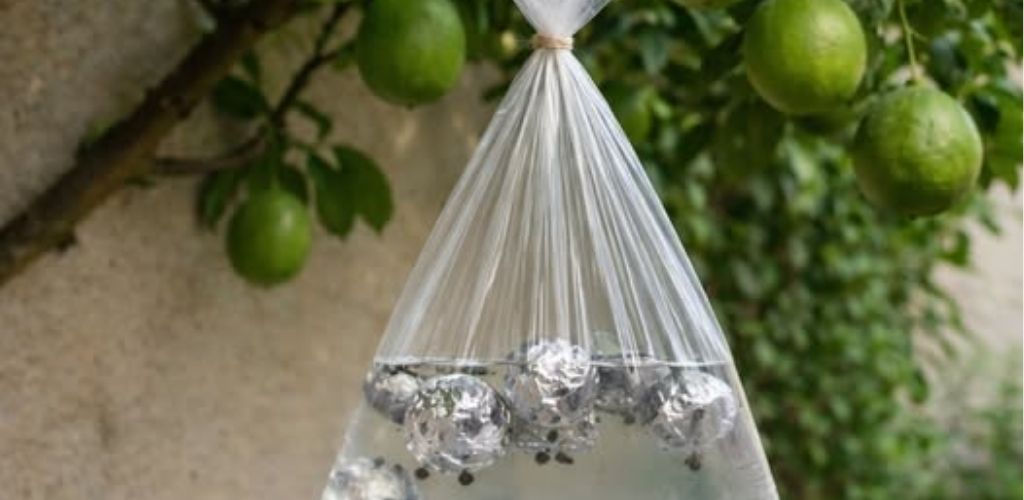
Would you hang a bag of water on a plant to repel pests? At first glance, it might seem like just another internet trick, but when you understand why it works, it stops seeming like a superstition and becomes a very clever preventative strategy.
For years, many people have used this method to protect their plants, gardens, and even certain areas of their homes. It doesn’t eliminate pests completely, but it does create an uncomfortable environment that keeps them away, allowing you to harvest your crops without losses.
Next, I’ll explain how to do it step by step and why it can help you.
Why is prevention better than treatment?
Insects, birds, and rodents are usually attracted to three main things:
- Food
- Motion
- Smells
If you only act when they’re already present, you’ll almost always be too late. The key is to create a visual and olfactory deterrent that makes it difficult for them to approach from the start.
This method does not kill pests, but it does disorient and bother them enough to make them look for another place.
Materials you need
The best thing about this technique is that you probably already have everything at home:
- 1 transparent bag (or clean plastic bag)
- A small piece of aluminum foil
- Cloves (whole or in pieces)
- Half a teaspoon of ground cinnamon (optional)
- Half a teaspoon of garlic powder (or crushed natural garlic)
- A splash of vinegar
- 2 drops of essential oil (lavender or mint)
- Approximately 500 ml of water
- Thread or string for hanging
Step-by-step instructions for preparing the repellent bag
- Form four small balls of aluminum foil.
Divide the aluminum into small pieces and flatten them into compact balls. - Place them inside the clear bag.
- Add the clove.
You don’t need much, just a small amount. - Add the cinnamon and garlic.
Half a teaspoon of each is enough. - Add a small splash of vinegar.
- Add two drops of lavender or peppermint essential oil.
These scents are especially bothersome to rodents and insects. - Fill the bag with approximately 500 ml of water.
- Gently mix the contents.
- Tie the bag securely with a strong thread.
- Make four small holes above the water level.
These holes will allow the fragrance to escape without spilling the liquid.
Why does this method work?
The effect is based on two principles: visual and olfactory.
1. Visual stimulus
- Water acts like a lens that distorts light.
- Aluminum foil multiplies reflections.
- Flying insects have light-sensitive vision and become disoriented.
- Birds avoid areas with intense and bright reflections.
It’s not magic: it’s visual stimulation that alters the perception of pests.
2. Olfactory stimulus
- Vinegar releases an acidic smell.
- Lavender and mint are natural repellents.
- Garlic and cloves intensify the effect.
Rodents, flies, mosquitoes, and other insects find this combination unpleasant, so they tend to stay away.
Where to put it?
You can hang the bag on:
- Branches near the fruit
- Orchards
- Windows and doors
- Balconies
- Areas where birds try to get closer to food
It is important to place it in a location where it receives direct sunlight at some point during the day, as this enhances the reflections.
How long does it last?
The bag can be kept for 15 to 20 days.
After that time, it should be replaced because the scent loses intensity.
Important: Prevention is not the same as treatment
This method is ideal as a preventative measure.
If you already have plants with:
- Aphid
- Cochineal
- Caterpillars
- Fruit fly
It will be necessary to apply a specific treatment, such as neem oil or other products suitable for direct pest control.
Tips and recommendations
- Always use clean, transparent bags.
- Do not drill holes below the water level.
- Secure the knot well to prevent leaks.
- Place several bags if the area is large.
- Check your plants regularly to detect problems early.
- Combine this technique with cleaning the environment and removing organic waste.
- Avoid placing the bag in areas where it could be torn by strong winds.
Hanging a bag filled with water and natural elements isn’t superstition, but a simple preventative strategy that combines light reflections and repellent aromas. It’s inexpensive, easy to do, and can help protect your plants without immediately resorting to chemicals. When used correctly and as part of consistent care, it can make a big difference to the health of your garden.