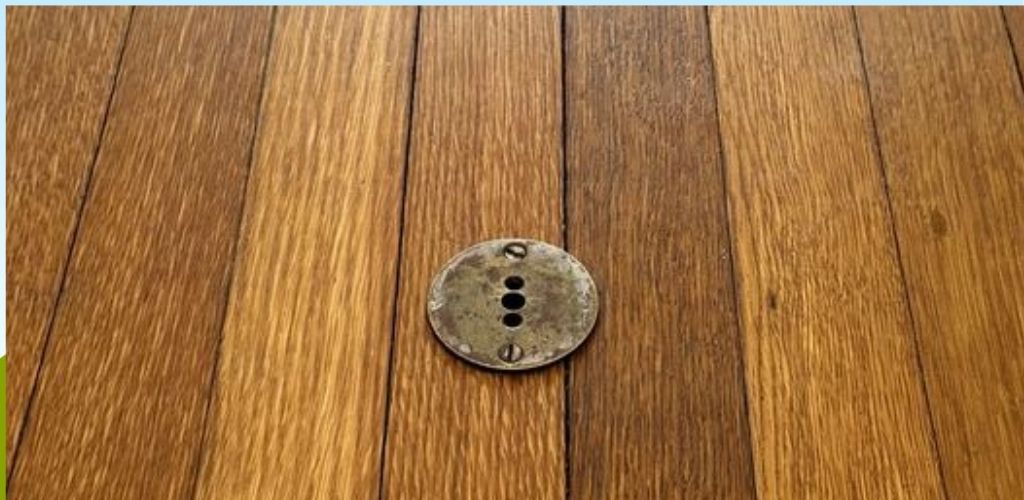
The Evolution of Household Communication: The Fascinating History of Servant Call Systems
In the intricate history of domestic architecture and the delicate dance of household management, the antique servant call mechanism remains a captivating relic of a bygone age. This ingenious system, a fundamental feature in the sprawling manors and grand estates of the 18th and 19th centuries, offered an elegant solution to the communication gap between the aristocracy and their staff. It perfectly encapsulated both the rigid social hierarchies and the rapid technological progress of the Victorian and Georgian eras.
How the Servant Call Bell System Worked
The servant call mechanism was a marvel of pre-modern engineering, evolving from a complex network of manual pull cords to sophisticated electric bells. The system relied on strategically placed call buttons or levers located in various rooms—from the formal dining hall to the private bedchambers. When activated, these levers would signal the staff in the kitchens, servant quarters, or the butler’s pantry via a ringing bell or a visual indicator flag on a centralized board. This discreet method of summoning assistance allowed the upper classes to maintain their privacy and decorum without ever having to raise their voices.
Craftsmanship and Aesthetic Elegance
These systems were designed with the same precision and luxury as the furniture of the period. Far from being mere utility items, they were decorative statements. Bell pulls were frequently fashioned from ornate materials such as polished brass, fine silk, or intricate embroidery, designed to blend seamlessly with the opulent wallpaper and woodwork of the room. The indicator boards, often found in the “back of house” areas, featured rows of beautifully labeled flags representing each room, serving as both a functional hub and a testament to the period’s attention to detail.
Social Dynamics and the Architecture of Service
The operation of these bells reveals a great deal about the social fabric of the time. They emphasized the stark division between the served and the serving, acting as a silent but constant reminder of the strict hierarchy governing domestic life. Below is a comparison of how communication transformed within these households:
| Feature | Manual Pull Systems | Early Electric Systems |
| Primary Material | Silk, Copper Wire, Brass | Insulated Wire, Battery Cells |
| Signal Method | Mechanical Bell Oscillation | Electric Buzzer or Chime |
| Staff Response | Identifying the swinging bell | Checking the indicator board |
| Maintenance | Frequent tension adjustments | Battery and circuit checks |
Preserving a Technological Legacy
Today, the old servant call mechanism is more than just a curiosity; it is a window into the daily lives of historical households. Whether preserved in museums or found intact in renovated heritage homes, these systems continue to intrigue historians, architects, and designers alike. They represent a unique marriage of form and function, highlighting how human ingenuity has always sought to solve the problems of the day through technology—no matter how simple or complex.
As we move further into the digital age, these tactile, mechanical systems remind us of the ever-evolving nature of how we interact within our homes. They offer a poignant glimpse into the social structures of earlier centuries, standing as silent witnesses to the millions of footsteps taken by those who once answered their ring.
If you enjoyed this trip through architectural history, make sure to subscribe to our page for more fascinating insights! Don’t forget to like this post and share it with fellow history buffs and design enthusiasts. Your support helps us bring more hidden history to light!