6 Clever Ways to Store Tomatoes and Keep Them Fresh for Weeks
Tomatoes are a versatile staple in almost every kitchen, prized for their rich flavor and culinary flexibility. However, keeping them from turning mushy or molding too quickly is a common challenge for many home cooks. Whether you are prepping a fresh summer salad or a hearty pasta sauce, using tomatoes at their peak ripeness makes all the difference. By mastering a few simple storage techniques, you can significantly extend the shelf life of your produce, save money on groceries, and ensure you always have fresh ingredients on hand.
Short-Term Storage: The Countertop Method
For tomatoes that you plan to eat within a few days, the countertop is your best friend. The key to success here is avoiding direct sunlight and heat sources, which can cause them to overripen instantly. A pro tip passed down by many chefs is to store your tomatoes with the stem side facing down. This prevents moisture from entering through the stem scar and stops air from accelerating the decaying process. This simple flip can keep your tomatoes firm and juicy for up to a week.
Extending Ripeness with Refrigeration and Paper Towels
While cold temperatures can sometimes dull the flavor of a tomato, the refrigerator is a necessary tool once they reach full maturity. To prevent the skins from becoming wrinkled or shriveled, place your ripe tomatoes in an airtight container lined with dry paper towels. Ensure there is enough space between each fruit so they aren’t touching. The paper towel absorbs excess moisture, which is the primary cause of mold growth in cold storage. For the best taste, always bring refrigerated tomatoes back to room temperature before serving.
Freezing and Drying for Long-Term Preservation
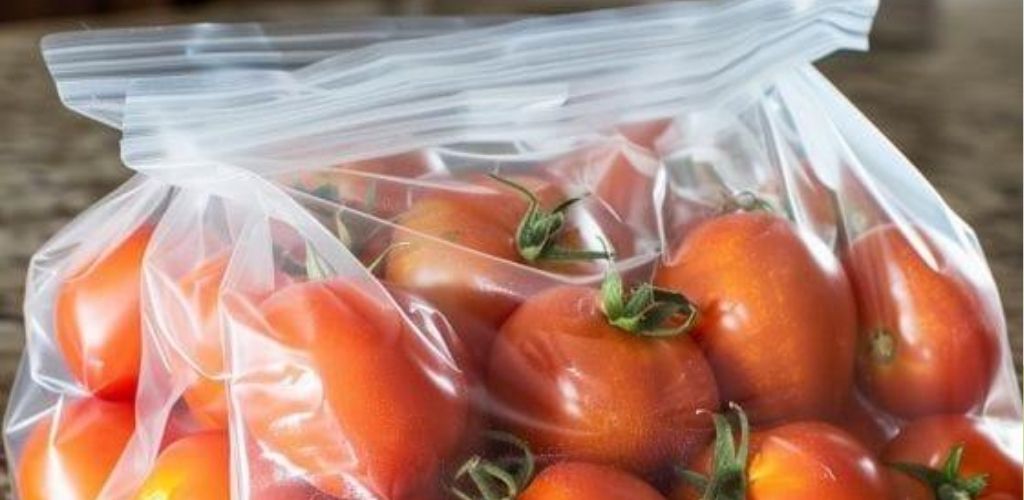
If you have a surplus of tomatoes from your garden or a bulk sale, freezing is a foolproof preservation method. Simply wash and dry the tomatoes thoroughly before placing them in airtight freezer bags. Be sure to squeeze out as much air as possible to prevent freezer burn. While frozen tomatoes lose their firm texture, they remain perfect for soups, stews, and sauces. Alternatively, you can slice and dry them in a dehydrator or a low-heat oven. Dried tomatoes are flavor bombs that can be stored in vacuum-sealed bags for months.
| Storage Method | Best For | Estimated Shelf Life |
| Stem-Down (Room Temp) | Fresh salads & sandwiches | 5–7 Days |
| Airtight Container + Paper Towel | Fully ripe tomatoes | 1–2 Weeks |
| Freezing | Sauces, soups, and stews | 6–10 Months |
| Dehydrating | Pastas & appetizers | 6–12 Months |
The Basil Trick: A Natural Ripening Inhibitor
Nature often provides its own solutions for food preservation. An old-fashioned but effective trick is to store your ripe tomatoes alongside fresh basil leaves in a cool, airy spot. Basil releases natural compounds that can actually slow down the ripening process of the tomatoes. Not only does this keep your produce fresh for a few extra days, but it also keeps two of the most iconic culinary partners right where you need them for your next Mediterranean dish.
Final Thoughts on Tomato Maintenance
Mastering tomato storage is all about managing moisture and temperature. By choosing the right method—whether it’s flipping them on the counter, freezing them for winter, or using the paper towel hack—you can enjoy the taste of summer long after your grocery trip. These six methods are designed to help you reduce kitchen waste and make the most of every red, juicy fruit in your pantry. Start experimenting with these techniques today and notice the difference in your cooking!
Did you find these tomato storage hacks helpful? If you want to discover more clever kitchen tips, food preservation guides, and easy recipes, please subscribe to our page! Don’t forget to like and share this post with your friends and fellow home cooks. Your support helps us keep bringing you the best advice for a better kitchen!
What is your favorite way to use up extra tomatoes? Do you have a secret storage tip we missed? Let us know in the comments below!