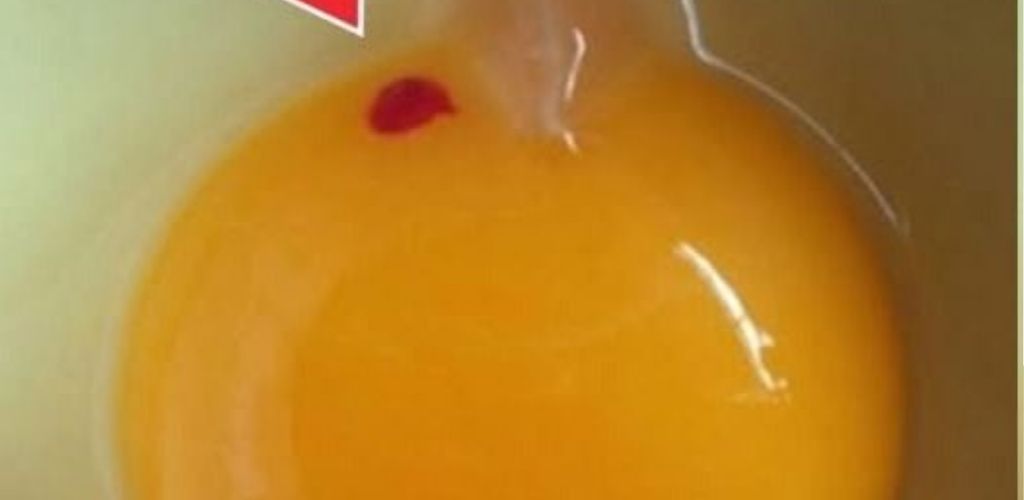
Red Spots in Eggs: A Cause for Alarm or a Natural Occurrence?
Many home cooks have experienced that split second of hesitation: you crack an egg into a pan, and instead of a pristine golden yolk, you notice a tiny red speck. This can be startling, especially if you are used to the uniform appearance of mass-produced supermarket eggs. While some might be tempted to toss the egg immediately, others simply cook through it without a second thought. Understanding what these spots really are can help you save money, reduce food waste, and feel more confident in the kitchen.
Are Eggs with Red Spots Safe to Eat?
The short answer is yes. In the vast majority of cases, an egg with a small red spot is perfectly safe to prepare and enjoy, provided it is cooked thoroughly. While the spot might look unappealing, it is a harmless natural occurrence. If the appearance bothers you, you can easily remove it with the tip of a knife before cooking. However, this is done for aesthetic reasons rather than safety.
Sometimes, you might also find tiny brown specks in the egg white. These are known as “meat spots” and are usually caused by harmless tissue remnants. Like blood spots, they do not compromise the quality or safety of the egg. However, you should discard any egg with pink, green, or consistently red-tinted whites, as these unusual discolorations can indicate spoilage or bacterial growth.
How Common Are Blood Spots?
In the commercial egg industry, less than 1% of eggs contain these spots. Most eggs sold in grocery stores undergo a process called candling. During this stage, a bright light is used to inspect the interior of the egg for irregularities. Eggs with significant spots are usually diverted to other uses or removed from the packaging line. This process isn’t about safety, but rather meeting consumer expectations for a “clean” appearance.
| Egg Source | Frequency of Spots | Reason |
| Commercial/Supermarket | Very Low | Removed during the candling process. |
| Farm Fresh/Backyard | Higher | Minimal sorting or industrial inspection. |
| Brown-Shelled Eggs | Slightly Higher | Darker shells make spots harder to detect during candling. |
Why Do These Spots Form?
There is a common misconception that a red spot indicates a fertilized egg. In reality, a blood spot is simply the result of a tiny blood vessel rupturing in the hen’s reproductive tract during the egg-forming process. This can happen for several harmless reasons and does not affect the nutritional value of the egg. The location of the spot can even tell you when it happened:
- In the Yolk: The rupture occurred in the hen’s ovary.
- In the White: The rupture occurred later as the egg traveled through the oviduct.
Best Practices for Egg Safety and Storage
Beyond identifying spots, proper handling and storage are the real keys to enjoying eggs safely. By following a few simple kitchen habits, you can ensure your meals remain both delicious and healthy.
- Refrigeration: Store store-bought eggs in the refrigerator immediately. Farm-fresh eggs can stay at room temperature if they haven’t been washed, but they should still be kept in a cool, shaded place.
- Inspection: Avoid using eggs with cracked shells, as bacteria can easily enter through even the smallest fissure.
- Cooking: Always cook eggs until both the white and the yolk are firm to reduce the risk of foodborne illness.
- Leftovers: Store hard-boiled or cooked eggs in the fridge and consume them within one week.
Staying Informed in the Kitchen
Knowing what is normal inside an egg can make cooking much more enjoyable and less stressful. A small red spot might be a surprise, but for the informed cook, it’s just a natural part of working with fresh ingredients. By handling your food with care and cooking it properly, you can continue to enjoy eggs as one of the most versatile and nutritious staples in your diet.
Did you find this kitchen guide helpful? If you want to learn more about food safety, grocery hacks, and easy recipes, please subscribe to our page! Don’t forget to like and share this post with your fellow home cooks. Your support helps us keep the kitchen tips coming!
Have you ever found something unusual in your eggs? Let us know your stories and questions in the comments below!