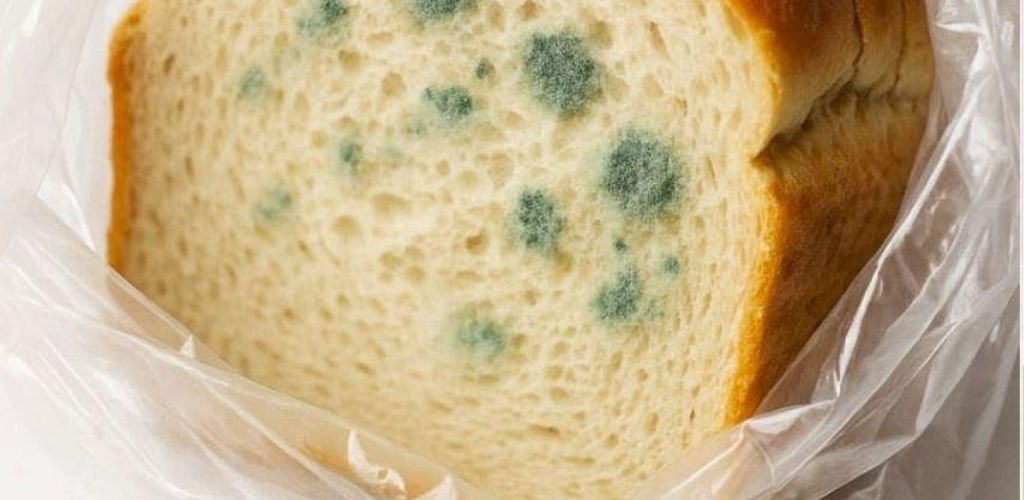
Stop the Spoilage: Why Your Bread Molds So Fast and How to Prevent It
Bread is a fundamental staple in most households, loved for its convenience and comforting taste. There is nothing more frustrating than reaching for a slice only to discover it has been claimed by fuzzy green patches. Beyond the annoyance of food waste, moldy bread poses genuine health risks. Understanding the science behind mold growth and adjusting your storage habits can save you money, reduce waste, and keep your sandwiches fresh for much longer.
Identifying the Enemy: Is It Mold or Just Stale?
Before changing your routine, you must accurately identify the problem. Real bread mold typically appears as fuzzy, circular colonies in shades of green, blue, white, or black. These are fungal colonies actively feeding on the starches in your loaf. In contrast, stale bread simply feels hard, dry, and leathery but lacks colored spots. If you see even a tiny speck of color, play it safe and discard the loaf, as mold filaments can travel deep into the porous structure of the bread before they become visible to the eye.
The Temperature Trap: Why Your Kitchen May Be Too Warm
Mold spores thrive in warm environments, making your kitchen’s climate a primary factor in spoilage. Ideally, bread should be stored in a cool, dry place. If your kitchen consistently stays above 75°F (24°C), you are inadvertently creating a greenhouse for fungi. Avoid keeping your bread on the counter during summer months or near heat-producing appliances. If your kitchen is naturally warm, moving your loaf to a cooler pantry or a dedicated bread box can significantly slow down the molding process.
Humidity and Moisture: The Silent Bread Killers
High humidity provides the perfect breeding ground for mold. Bread stored in areas with humidity levels above 60% will spoil much faster than bread kept in dry air. To protect your loaf, keep it away from the “wet zones” of your kitchen, such as the sink or the stovetop where steam is frequent. Using a dehumidifier in your pantry or ensuring your bread bag is sealed tightly with as little air as possible can create a hostile environment for spores, keeping your slices soft and safe.
| Storage Location | Pros | Cons |
| Top of Fridge | Convenient access | Warmth from motor speeds up mold |
| Bread Box | Blocks light, regulates air | Can trap moisture if not ventilated |
| Pantry/Cupboard | Cool and dark | Can be humid near the dishwasher |
| Freezer | Stops mold entirely | Requires thawing/toasting |
The Hidden Danger: Fridge and Dishwasher Proximity
A common mistake is storing bread on top of the refrigerator or near the dishwasher. While the top of the fridge seems like a great space-saver, the heat exhausted by the appliance’s motor warms the bread, accelerating spoilage. Similarly, the dishwasher releases clouds of steam and heat during its cycle. These fluctuations in temperature and moisture are exactly what mold needs to thrive. A cool, dark cabinet away from all major appliances is the gold standard for bread storage.
Hygiene and Selection: Choosing a Better Loaf
Cross-contamination is another frequent culprit. Always use clean knives and cutting boards, and wash your hands before handling the loaf to prevent transferring spores. When shopping, consider the ingredients: sourdough and breads containing natural preservatives like vinegar or ascorbic acid tend to last longer. While organic and artisan breads are delicious, they often lack these inhibitors and will mold faster. By choosing the right brand and practicing clean handling, you can extend your bread’s life by several days.
Did you find these bread-saving tips helpful? If you want more kitchen hacks, food safety guides, and home organization advice, please subscribe to our page! Don’t forget to like and share this post with your friends and fellow home cooks. Your support helps us keep the kitchen fresh!
How do you keep your bread from spoiling? Do you have a secret storage spot? Tell us in the comments below!