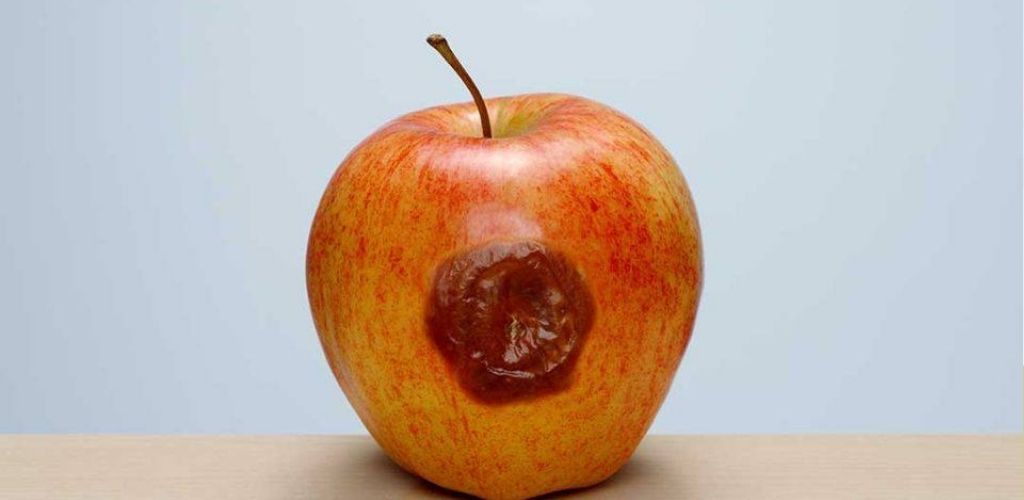
Bruised Apples: Are They Safe to Eat or a Health Risk?
The debate over whether to eat a bruised apple is a common one in many households. Some believe a small brown spot is completely harmless and that the fruit remains perfectly edible. Others worry about the potential health risks associated with eating damaged produce. Understanding what happens to an apple when it gets bumped or pressed can help you make an informed decision. While a bruise is often just a cosmetic issue, it can sometimes be a gateway for unwanted bacteria, so knowing the difference is key to kitchen safety.
What Causes Bruising in Apples?
Bruising occurs when an apple is subjected to physical impact or pressure, damaging the cells within the flesh. This can happen during harvest, shipping, or even if you drop a piece of fruit at home. When these cells break, they release enzymes that react with oxygen, leading to the characteristic browning and softening. While bruising primarily affects the appearance, it can also alter the texture and flavor of the fruit in the affected area, making it taste slightly different than the crisp sections.
Nutritional Value and Internal Changes
From a nutritional standpoint, bruised apples generally retain the majority of their vitamins and minerals. However, the Vitamin C content in the bruised area may decrease slightly due to oxidation. Despite this minor change, the overall health benefits of the apple remain largely intact. It is important to remember that while the consistency and look change, the fiber and essential nutrients that make apples a “superfood” are still present in the rest of the fruit.
| Feature | Fresh Apple | Bruised Area |
| Texture | Crisp and firm | Soft and mealy |
| Color | White or cream | Light to dark brown |
| Vitamin C | High | Slightly reduced |
| Safety | High | Varies (check for mold) |
Assessing Safety: When to Cut and When to Toss
The main risk with bruised fruit is the potential growth of microorganisms. A damaged skin or mushy flesh is more susceptible to bacteria and fungi. To determine if a bruised apple is safe, examine the spot carefully. If the bruise is small, dry, and free of mold or strange odors, it is likely safe to eat. You can simply cut away the damaged portion and enjoy the rest. However, if the bruise is large, excessively mushy, or shows visible mold, it is better to discard the apple to avoid the risk of toxins produced by fungi.
Warning Signs of Spoiled Fruit
An apple is definitely too damaged to eat if it shows signs of fermentation or decay. Watch out for a sour or “boozy” smell, a slimy surface, or skin that breaks easily under light pressure. These are clear indicators that the fruit has begun to rot. Experts agree that while minor bruises are a part of nature, you should never ignore your senses. If the apple looks, smells, or feels “off,” it is always safer to err on the side of caution and toss it in the compost bin.
Creative Ways to Use Bruised Apples
If you are uncomfortable eating a bruised apple raw, don’t let it go to waste! Cooking is an excellent alternative. Bruised apples are perfect for making homemade applesauce, apple butter, or filling for pies and crumbles. The cooking process breaks down the fruit further, making the texture differences unnoticeable, and the heat kills off most surface bacteria. This is a fantastic way to reduce food waste while still getting all the flavor and fiber the fruit has to offer.
Did you find this guide to fruit safety helpful? If you want more kitchen tips, food storage hacks, and health advice, please subscribe to our page! Don’t forget to like and share this post with your friends and family to help them stay informed. Your support helps us keep bringing you high-quality content every day!
How do you handle bruised fruit in your kitchen? Do you have a favorite recipe for “imperfect” apples? Let us know in the comments below!