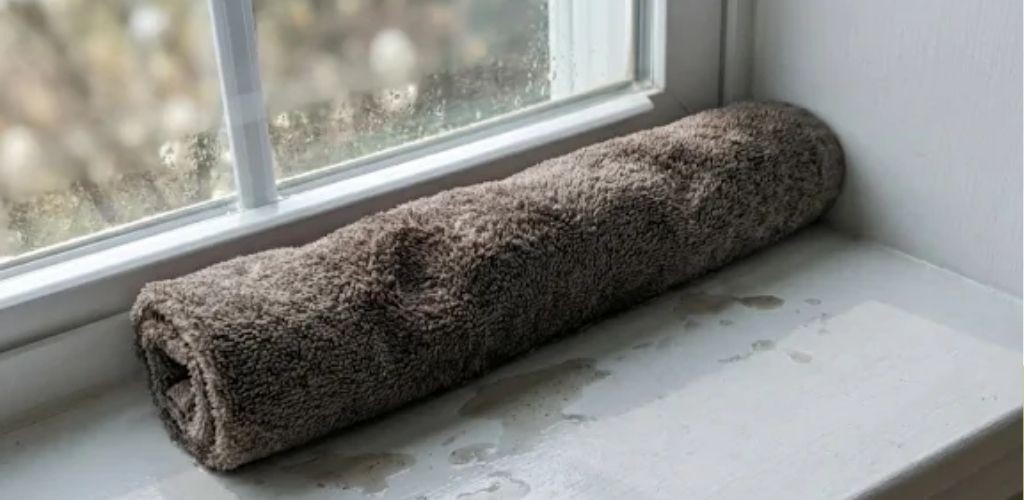
Natural Air Conditioning: Does a Wet Towel on the Window Actually Cool Your Room?
On a sweltering summer evening, when the air in the bedroom feels thick enough to cut and sleep seems like a cruel joke, you might recall an old household trick passed down through generations. It sounds almost too simple to work: place a damp towel over the windowsill, crack the window open, and let “nature’s air conditioner” take its course. In an era of smart thermostats and high-tech cooling systems, this old-fashioned method feels charmingly antique. But is there actual science behind the wet towel trick, or is it just another urban myth? Let’s dive into the physics of evaporative cooling.
The Physics of Evaporation: How the Cooling Process Works
The underlying principle of this hack is a fundamental physical process known as evaporative cooling. When water evaporates—transitioning from a liquid to a gaseous state—it must absorb thermal energy from its immediate surroundings to make that change. When you place a damp cloth in the path of incoming air, several things happen. First, warm air from outside flows over the moist surface of the towel. As the water evaporates, it draws heat out of that air, lowering its temperature slightly before it enters your room. This creates a cooler, more humid breeze that circulates near the window, providing localized relief.
The Crucial Factor: Humidity and Effectiveness
For this method to work effectively, the outdoor air must be relatively dry. Evaporation occurs most rapidly when humidity levels are low. If you are facing a muggy, humid night with 80% humidity or higher, the air is already saturated and can barely hold any more moisture. In these conditions, the towel simply stays damp, and little to no cooling occurs. Therefore, this trick is a modest ally, not a miracle worker. It should be viewed as a supplementary cooling measure rather than a primary solution for extreme heatwaves.
Pros and Cons of the Wet Towel Method:
| Advantage | Disadvantage |
| Zero Cost: Requires only a towel and tap water. | Humidity Dependent: Fails in muggy or tropical climates. |
| Eco-Friendly: Uses no electricity or refrigerants. | Localized Effect: Only cools the area directly by the window. |
| Psychological Relief: Moving air signals the body it’s time for rest. | Risk of Damage: Dampness can ruin wooden windowsills or cause mold. |
| Simple Setup: Can be done in less than two minutes. | Insect Invitation: Open windows may let in mosquitoes. |
How to Optimize the Damp Towel Trick for Maximum Reach
If you want to test this potential, you need to execute it correctly. First, use a thin cotton towel or a tea towel rather than a thick bath towel; thinner fabrics allow for faster evaporation. Wring it out thoroughly so it is damp but not dripping, as excess water will only damage your furniture. Most importantly, combine it with a fan. Place a small fan near the window pointed inward. This actively pulls the cooled air off the surface of the towel and distributes it further into the room, significantly enhancing the effect.
Protecting Your Home While Staying Cool
Safety and maintenance are key when using water-based cooling hacks. Never leave a damp towel directly on a wooden windowsill, as the moisture can strip paint, warp the wood, or encourage mold growth in the corners of the room. Always place a waterproof tray, plastic sheet, or large plate under the towel to act as a barrier. Additionally, ensure you have a fine mesh screen on your window to prevent your “cooling station” from becoming a welcome mat for summer insects.
Better Alternatives and Final Thoughts
While the windowsill trick is a classic, you can apply the same science more effectively by hanging a damp sheet in front of a window or using “pulse point cooling.” Applying a cold, wet cloth to your wrists or neck provides immediate physiological relief. Ultimately, the wet towel on the window is a time-tested trick with a core of scientific truth. On a hot, dry night, it can make a stuffy room much more bearable. It is a testament to human ingenuity—a simple, risk-free attempt at comfort that might just help you drift off to sleep.
Did you find this natural cooling hack helpful for those hot summer nights? We love exploring the science behind traditional wisdom and sharing practical DIY tips for a more comfortable home. If you want to stay updated on more eco-friendly life hacks and household secrets, please subscribe to our page, give this post a like, and share it with your friends! Your support helps us keep bringing you the best insights for everyday living.
Have you ever tried the wet towel trick, or do you have your own “secret weapon” for beating the heat without an AC? We want to hear your stories! Drop a comment below and let’s share our best cooling strategies.