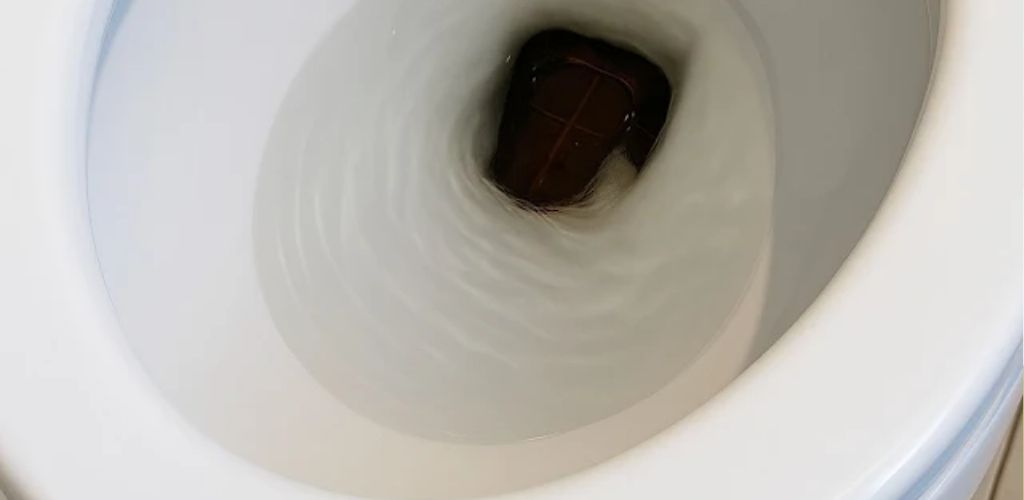
Slithering Surprise: Can Snakes Really Come Through the Toilet?
The morning started like any other: sleepy, quiet, and centered around the thought of coffee. I shuffled into the bathroom, reached for the toilet lid, and froze. At the bottom of the bowl, something dark and still lay in the water. Was it a hairbrush? A toy? My half-awake mind raced for a logical explanation until it moved. There was no mistaking that slow, rhythmic glide—shiny, scaly, and very much alive. A snake was in my toilet. My heart stopped, I slammed the lid shut, grabbed my kids, and ran outside in my pajamas. If you’ve ever wondered if this urban legend is true, I can tell you firsthand: yes, it happens more often than you think.
How Do Snakes Enter Your Plumbing System?
While it sounds like a scene from a horror movie, it is a documented reality that snakes can navigate indoor plumbing. This occurs most frequently in warm climates like Florida, Texas, or Australia, and in homes near woods or wetlands. Snakes, particularly small non-venomous species like rat snakes or garter snakes, seek out cool, damp, and dark environments. Your sewer lines and vent pipes look like perfect tunnels. Using their scales and muscular bodies, they can climb smooth, vertical pipes—sometimes reaching heights of over 20 feet—to enter your home through the roof vents or cracked foundation pipes.
What to Do Immediately if You Find a Snake in the Toilet
If you come face-to-face with a bathroom intruder, the most important thing is to stay calm. Do NOT flush the toilet. Flushing can cause the snake to panic and attempt to crawl out of the bowl and into your bathroom. Instead, calmly close the lid and place a heavy object on top of it to prevent the snake from escaping. Leave the room, close the door, and keep children and pets away. While most “toilet snakes” are harmless, you should never take a risk. Contact a licensed wildlife removal service or animal control officer immediately to handle the situation professionally.
Step-by-Step Emergency Response:
| Action | Why It Matters |
| Close the Lid | Prevents the snake from entering your living space. |
| Don’t Flush | Prevents the snake from splashing out in a panic. |
| Call Wildlife Control | Experts can identify if the snake is venomous or harmless. |
| Keep Distance | Even non-venomous snakes may bite if they feel cornered. |
Essential Tips for Snake-Proofing Your Pipes
You don’t have to live in constant fear, but taking a few proactive steps can significantly reduce the chances of a scaly surprise. The most effective method is to install fine-mesh wire screens over your roof vent pipes. These vents are the primary “highway” for snakes, rodents, and birds to enter your plumbing. Additionally, ensure that any cracks in your home’s foundation or gaps where pipes enter the walls are sealed with steel wool and caulk. Snakes can squeeze through openings as small as half an inch, so a thorough inspection of your home’s exterior is vital.
Maintaining Your Property to Deter Wildlife
Wildlife prevention starts in the yard. Keep your grass mown short and remove any piles of wood, leaves, or debris near the foundation of your house, as these provide perfect hiding spots for snakes and their prey. Secure your trash cans to avoid attracting rodents; where there are mice, snakes will surely follow. Inside the house, simply keeping bathroom doors closed creates an extra layer of security. By making your property less attractive to local wildlife, you make it much harder for a snake to find its way into your pipes in the first place.
Final Thoughts: Awareness is Key
In the vast majority of cases, a snake in the toilet is more afraid of you than you are of it. Statistics show that 99% of these intruders are non-venomous juveniles looking for water during hot, dry months. However, in regions where copperheads or water moccasins are common, always treat every snake as dangerous until an expert identifies it. My experience taught me that while the most ordinary moments can hold the biggest surprises, a few simple home maintenance tasks can ensure your bathroom remains a sanctuary rather than a shortcut for wildlife.
Did this story send a shiver down your spine or give you peace of mind? We are dedicated to sharing real-life experiences and practical home safety tips to help you protect your sanctuary. If you found this guide helpful, please subscribe to our page, give this post a like, and share it with other homeowners! Your support helps us continue to provide essential wildlife and home maintenance advice.
What would you have done—flushed the toilet or fled the house? Have you ever had a strange encounter with wildlife in your home? Share your stories in the comments below; we would love to hear your experiences!