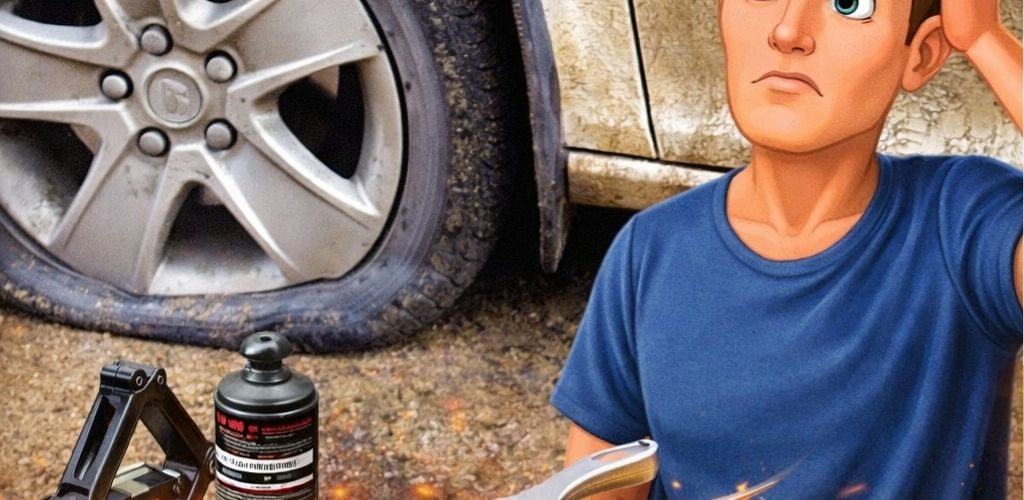
Emergency Roadside Guide: How to Fix a Flat with a Tubeless Tire Repair Kit
Facing a flat tire when you don’t have a spare can be a stressful experience for any driver. Fortunately, a tubeless tire repair kit is the most effective alternative for handling punctures on the go. These kits are specifically designed for quick, temporary fixes, allowing you to continue your journey safely until you can reach a professional service center. Understanding how to use this compact tool can save you hours of waiting for a tow truck and keep your travel schedule on track.
What’s Inside a Standard Tubeless Tire Repair Kit?
To successfully plug a leak, you need the right tools. Most high-quality kits are portable and contain reinforced instruments designed to handle the tough rubber of a car tire. The primary components usually include a T-handle reamer to clean the puncture, an insertion needle to place the plug, and several high-viscosity rubber strips (often called “plugs” or “strings”). Additionally, these kits feature a specialized rubber cement or vulcanizing glue that creates a chemical bond, ensuring the seal remains airtight under pressure.
Step-by-Step: Using Your Tire Repair Kit Effectively
The first step in any repair is identifying the source of the leak. Inspect the tread for nails, screws, or other sharp debris. Once found, use pliers to carefully remove the object. Next, use the spiral reamer tool to clean and roughen the hole; this ensures the plug has a solid surface to adhere to. Thread a repair string through the eye of the insertion needle and coat it generously with the special adhesive. Push the needle firmly into the puncture until about an inch of the string remains visible, then pull the tool straight out quickly to leave the plug in place.
Quick Reference for Tire Repair Steps:
| Step | Action | Pro Tip |
| 1. Locate | Find the puncture source. | Use soapy water to find hidden bubbles. |
| 2. Clean | Use the reamer tool. | Move it up and down to clear jagged edges. |
| 3. Prep | Thread the repair string. | Apply glue to both the string and the hole. |
| 4. Insert | Push the needle in firmly. | Do not twist the needle during insertion. |
| 5. Finish | Trim the excess string. | Cut it flush with the tire tread. |
Finalizing the Repair and Checking the Seal
After the plug is securely seated, use a knife or the cutting tool provided in the kit to trim the excess rubber so it sits flush with the tire surface. Now, you must reinflate the tire to its recommended pressure using a portable compressor or at the nearest service station. It is crucial to verify the seal before driving; apply a bit of water or glass cleaner to the repaired area. If you see new bubbles forming, the seal is not complete, and you may need to reseat the plug or seek immediate professional help.
Essential Safety Tips for Driving on a Repaired Tire
It is vital to remember that a plug-style repair is a temporary solution, not a permanent fix. While the tire may hold air perfectly, its structural integrity has been compromised. You should avoid high speeds and aggressive cornering until a technician can inspect the tire internally. Most experts recommend heading directly to a tire shop to determine if a permanent internal patch is possible or if the tire needs a total replacement. Never ignore a temporary repair, as prolonged heat and friction can cause the plug to fail unexpectedly.
Why Every Driver Should Carry a Repair Kit
Modern vehicles often lack full-sized spare tires to save weight and space, making these kits an indispensable resource. They are compact, easy to store in a glove box or trunk, and much more practical for minor punctures than traditional tire changes. Pairing your kit with a small 12V portable inflator ensures you are prepared for any roadside emergency. By taking these simple preventive measures, you can handle unexpected punctures with confidence and peace of mind, ensuring that a small nail doesn’t turn into a major travel disaster.
Did you find this roadside repair guide helpful? We are committed to sharing practical automotive tips and safety hacks to keep you and your family safe on the road. If you want more DIY guides, car maintenance secrets, and emergency preparedness advice, please subscribe to our page, give this post a like, and share it with your fellow drivers! Your support helps us continue creating high-quality content for the driving community.
Have you ever had to use a tire plug kit during a road trip? Or do you prefer calling for roadside assistance? Share your experiences and any tips you have in the comments below—we love hearing your stories from the road!