Stop! 5 Common Household Surfaces You Should Never Clean with Baking Soda
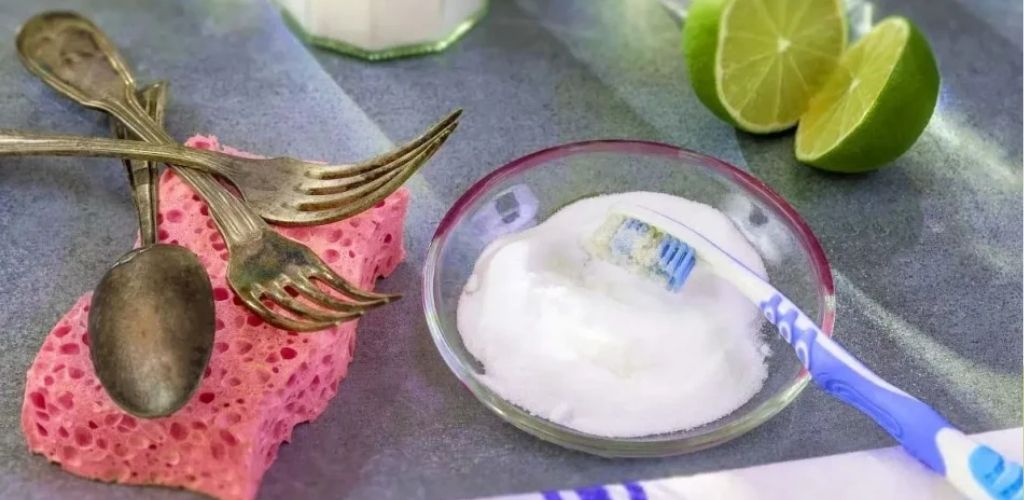
Widely regarded as a miracle cleaning agent, baking soda (sodium bicarbonate) is an essential ally for every eco-conscious home. Its benefits are nearly endless: it scrubs, whitens, disinfects, and deodorizes with ease. However, despite its reputation as a “catch-all” solution, this white powder is not suitable for every surface. Because of its abrasive nature and chemical composition, it can cause irreversible damage to specific materials. Here is why you should think twice before using it in these five common cases.
While baking soda works wonders in the kitchen and bathroom for removing grease and grime, certain high-end materials simply cannot withstand its abrasive power. Over time, these surfaces can lose their luster, develop deep scratches, or become dangerously porous. To keep your home in pristine condition, it is vital to know which items require a gentler touch. Let’s dive into the surfaces that should stay far away from your box of sodium bicarbonate.
1. Delicate Marble and Stone Surfaces
Marble countertops and tiled floors are incredibly sensitive to both acidic and abrasive substances. While many people know to avoid lemon or vinegar, they often mistakenly reach for baking soda. Unfortunately, this can cause marble to become porous and lose its protective finish over time. If your marble comes into contact with baking soda, rinse it immediately with warm water to prevent “white veiling” or micro-scratches. Stick to specialized stone cleaners or a simple drop of pH-neutral dish soap for a safe, streak-free result.
2. Glass and Mirrored Finishes
It is a common myth that baking soda can buff out small scratches on windows. In reality, regular use on glass can have a paradoxical effect. Because baking soda is composed of fine granules, it can act like sandpaper on smooth glass, leaving behind a cloudy texture or fine scratches that ruin visibility. For an immaculate shine, traditional white vinegar diluted in water remains the gold standard. Using a piece of old newspaper or a microfiber cloth will provide a much cleaner polish without the risk of abrasion.
3. Gold-Plated Items and Jewelry
Whether it is your wedding ring or gold-rimmed china, gold is a soft metal that is easily compromised. Using baking soda to “polish” gold can actually erode the plating or weaken the metal’s structural integrity. Instead of using abrasive powders, the best alternative for cleaning gold jewelry is mild soapy water. Simply soak your items in a bowl of warm water mixed with a few drops of liquid soap. After a few minutes, rinse them with fresh water and buff them with a soft, clean cloth to see them sparkle like new.
Cleaning Guide: Safe Alternatives for Common Materials
| Surface | Avoid | Recommended Alternative |
| Marble | Baking Soda / Vinegar | pH-Neutral Soap |
| Glass | Abrasive Pastes | Diluted White Vinegar |
| Gold | Baking Soda | Warm Soapy Water |
| Wood | Soda Crystals | Linseed Oil or Beeswax |
| Aluminum | Sodium Bicarbonate | Marseille Soap |
4. Hardwood Furniture and Floors
Wood, whether raw or varnished, is an organic material that reacts poorly to harsh abrasives. The protective sealant or wax layer used to protect wooden objects can be eroded by baking soda, leaving the wood vulnerable to moisture and rot. Instead of reaching for the white powder, use products specifically formulated for wood maintenance to keep the protective layer intact. For a natural glow, a few drops of essential oils on a clean cloth can restore the surface and provide a beautiful, waxy finish.
5. Aluminum Cookware and Utensils
In the kitchen, baking soda is a popular choice for cleaning burnt pots, but you must keep it away from aluminum. This alkaline powder reacts with aluminum, causing the metal to oxidize and lose its natural color, often turning it a dull grey or black. To keep your aluminum pans and utensils shining, it is much better to use Marseille soap or standard dishwashing liquid. These gentler cleansers will remove food residue without causing a chemical reaction that ruins the metal’s finish.
Now that you are aware of the potential risks, you can use baking soda more strategically in your cleaning routine. While it remains an incredible product for many tasks, knowing its limits is the key to a well-maintained home. Always test any cleaning solution on a small, inconspicuous area first to ensure your surfaces stay as beautiful as the day they were installed.
Did you find these cleaning tips helpful? We are dedicated to bringing you the best home maintenance advice every day! Make sure to subscribe to our page, give this post a “Like,” and share it with your friends and family so they can protect their homes too. What is your favorite natural cleaning hack? Let us know in the comments!