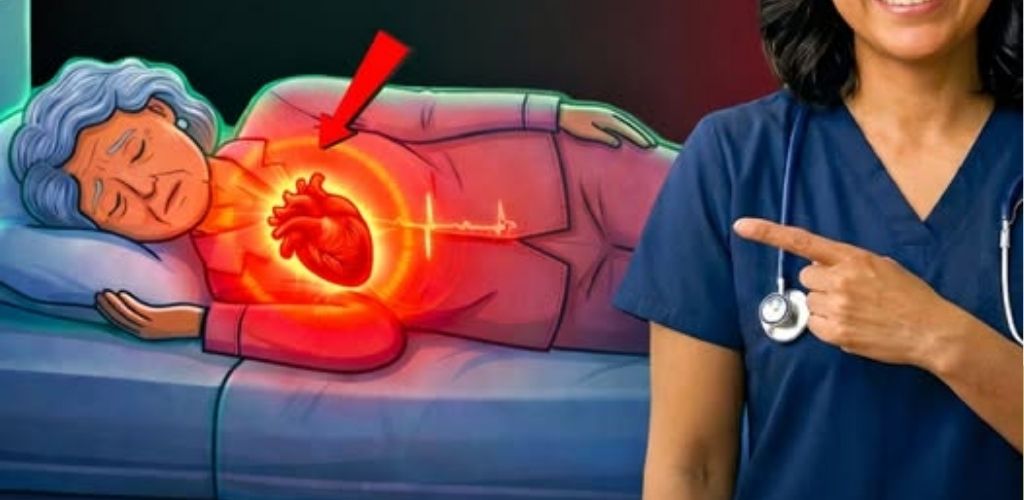
The Silent Connection: How Your Sleep Habits Could Be Affecting Your Heart Health
When was the last time a healthcare professional asked you how you actually sleep? We often focus on what we eat or how many steps we take, but we rarely discuss the quality of our nocturnal rest. In clinical practice, a common pattern emerges: individuals who do everything “right” during the day but whose hearts suffer in silence while they sleep. Take the case of a 64-year-old patient who lived a healthy life with normal lab results, yet ended up in the emergency room with a severe arrhythmia. The issue wasn’t his diet or his arteries—it was his nights.
Why Sleep is Non-Negotiable for Cardiovascular Recovery
Sleep is not lost time; it is the critical window when the heart regulates itself, recovers from daily stress, and reduces its workload. When this process is interrupted, the consequences accumulate quietly over years. For those over 60, certain “hidden” errors in sleeping patterns can directly strain the cardiovascular system. Understanding these mistakes is the first step toward preventing long-term damage and ensuring your heart stays resilient.
1. Sleep Apnea: The Dangerous Myth of “Normal” Snoring
Many people dismiss loud snoring as a natural part of aging, but it is often a primary symptom of sleep apnea. This disorder causes breathing to stop repeatedly throughout the night. Even if you don’t fully wake up, your body enters a state of panic: blood pressure spikes, the heart rate accelerates, and the nervous system activates a “fight or flight” response. This cycle can repeat dozens of times per hour, preventing the heart from entering its necessary low-pressure rest state.
Warning Signs of Sleep Apnea:
- Loud, irregular snoring patterns
- Choking or gasping sensations during the night
- Waking up with a dry mouth or a morning headache
- Persistent daytime exhaustion regardless of hours slept
2. Irregular Sleep Schedules: The High Price of Circadian Chaos
The human body operates on an internal “master clock” known as the circadian rhythm. This biological timer dictates when hormones are released and when the heart should relax its pace. When you go to bed at wildly different times—such as staying up late on weekends—you desynchronize this clock. Consistency is just as vital as quantity; without a regular schedule, your blood pressure may fail to “dip” at the right time, leaving the heart in a constant state of high alert.
Sleep Quality Comparison Table:
| Sleep Factor | Healthy Heart Impact | Negative Heart Impact |
| Consistency | Stable blood pressure & hormonal balance | Increased internal stress & inflammation |
| Breathing | Steady oxygen flow; heart rate slows | Spikes in adrenaline & heart rate |
| Depth | Deep tissue repair & vascular recovery | Fragmented rest; incomplete recovery |
| Timing | Aligned with natural daylight cycles | Disrupted circadian rhythms |
3. Fragmented Sleep: The Illusion of Rest
Frequent awakenings are one of the most underestimated issues for those over 70. Whether caused by physical pain, the need to use the bathroom, or untreated anxiety, fragmented sleep prevents the heart from reaching the deep stages of rest required for vascular repair. When your sleep is “broken,” the inflammatory markers in your vascular system increase, leading to a higher risk of hypertension and fatigue that no amount of caffeine can fix.
Practical Steps to Protect Your Heart Tonight
Caring for your heart requires a proactive approach to your nightly environment. Start by maintaining a strict sleep schedule, even on weekends. Ensure your bedroom is cool, dark, and quiet, and avoid blue-light screens at least an hour before bed. If you suspect sleep apnea or struggle with chronic snoring, consult your doctor about a sleep study. Small adjustments to your evening routine can lead to profound improvements in your energy, focus, and long-term cardiovascular health.
Essential Questions for Your Next Medical Visit:
- Could my sleeping patterns be contributing to my high blood pressure?
- Do I need a formal sleep study to rule out apnea?
- Are any of my current medications interfering with my deep sleep cycles?
Did you find these health insights valuable? We invite you to subscribe to our page, give this post a like, and share it with your loved ones! Have you noticed a link between your sleep and your energy levels? Share your thoughts in the comments—your journey could help someone else protect their heart!