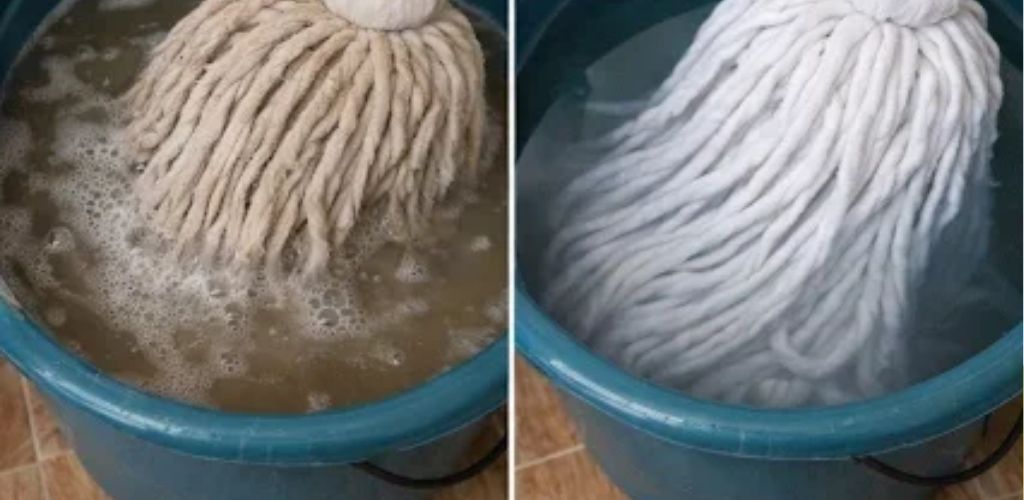
How to Deep Clean Your Mop: Revive Your Cleaning Tools with This Simple Guide
Your mop works tirelessly to keep your floors spotless, but when was the last time you actually cleaned the tool itself? A neglected mop head doesn’t just look unpleasant; it becomes a breeding ground for bacteria and mold, redistributing grime and foul odors across your home with every swipe. The good news is that most mops don’t need to be replaced—they need to be restored. With a few pantry staples and 30 minutes of effort, you can transform a heavily soiled mop into a fresh, hygienic tool, saving money and reducing household waste.
When to Wash vs. When to Replace Your Mop
Before you head to the store, assess the condition of your cleaning equipment. Most high-quality mops can be washed and reused dozens of times. If the fibers are intact and the head is securely attached to the handle, it is a candidate for a deep clean. However, if the strands are thinning, the sponge is crumbling, or the mop leaves behind more lint than it picks up, it is time for a replacement. On average, a well-maintained mop head lasts between 6 to 12 months, depending on the frequency of use and the type of flooring in your home.
Mop Maintenance Quick Reference:
| Mop Type | Cleaning Frequency | Best Cleaning Agent | Lifespan |
| Microfiber | After every use | White Vinegar / Laundry cycle | 12 Months |
| Cotton String | Weekly | Bleach / Vinegar soak | 6 Months |
| Sponge Mop | Bi-weekly | Dish soap / Vinegar | 4-6 Months |
The Magic of White Vinegar: Why It’s the Ultimate Cleaner
The secret to a pristine mop lies in your kitchen pantry: distilled white vinegar. This humble liquid is a powerhouse for sanitation because it is naturally antibacterial, effectively killing a vast majority of common household germs. Vinegar acts as a natural degreaser, breaking down oily residues and mineral deposits from hard water that build up in the fibers over time. Unlike commercial cleaners, it neutralizes odors at the source rather than just masking them, leaving your utility closet smelling fresh without the use of harsh chemicals.
Step-by-Step Deep Cleaning Methods
For detachable mop heads, start by rinsing them under hot running water to remove loose debris. Fill a bucket with boiling water, add one cup of white vinegar, and a small amount of laundry detergent. For extreme stains, adding a quarter cup of baking soda creates an effervescent reaction that lifts deep-seated dirt. Soak for 60 minutes, scrub gently, and rinse until the water runs clear. For sponge mops, use a similar soak but add a tablespoon of dish soap to tackle grime trapped within the pores. Always ensure you wring the mop out completely after cleaning to prevent mildew.
Daily Maintenance: How to Keep Your Mop Fresh Longer
Maintaining hygiene between deep cleans is essential for long-term effectiveness. After every floor-washing session, rinse the mop head thoroughly under warm water until all visible dirt is gone. Never store a mop while it is still damp; a wet mop sitting in a dark bucket is the perfect environment for mold growth. Instead, wring it out as tightly as possible and hang it upside down in a well-ventilated area to air dry completely. This simple habit will extend the life of your equipment and ensure your floors are actually getting sanitized.
Beyond the Mop: Other Brilliant Uses for White Vinegar
While you have the vinegar out, consider using it for other high-impact household tasks. You can run an empty cycle in your washing machine with a cup of vinegar to remove scale, or use a 50/50 water-vinegar solution to achieve streak-free windows. It is also excellent for descaling coffee makers and refreshing slow-moving drains when paired with baking soda. By embracing these eco-friendly cleaning methods, you ensure a safer, toxin-free environment for your family while keeping your home in top condition.
Did you find this guide to mop hygiene helpful? If you want to discover more expert cleaning hacks and sustainable home maintenance tips, please subscribe to our page, give us a like, and share this post with your friends! What is your favorite natural cleaning secret? Let us know in the comments below—we love hearing your tips!