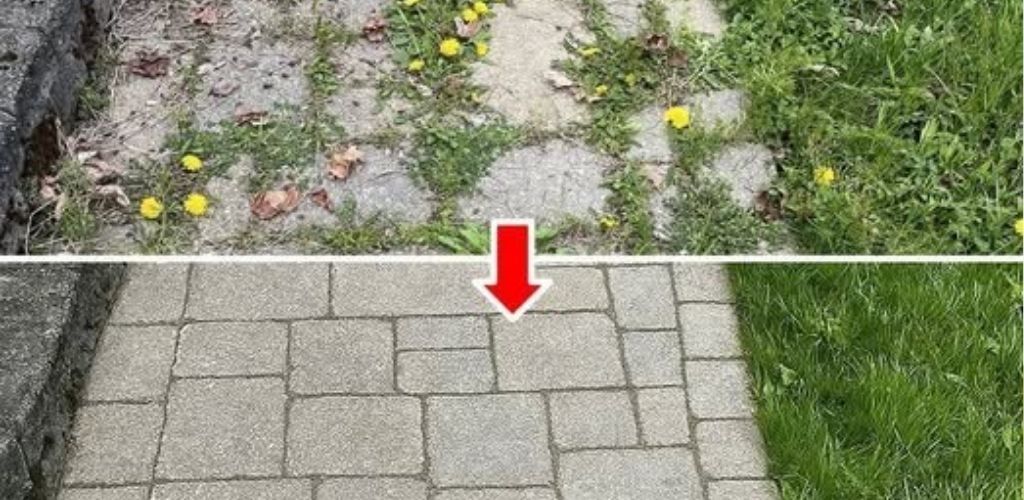
Natural Weed Control: Effective Eco-Friendly Strategies for a Healthy Garden
Every gardener knows the frustration of battling stubborn weeds that seem to appear overnight, threatening the health of your beloved plants. While chemical herbicides promise quick results, they often carry environmental risks and can harm beneficial insects, pets, and family members. Fortunately, nature provides us with powerful and environmentally friendly alternatives. This comprehensive guide explores proven organic weed control methods that maintain a balanced ecosystem while keeping your garden pristine.
Understanding Weed Growth and Prevention
Weeds are remarkably resilient organisms evolved to thrive in disturbed soils and harsh conditions. They compete with your cultivated plants for water, nutrients, and sunlight, often winning due to their rapid growth and aggressive root systems. The secret to successful long-term management lies in understanding that removal is only half the battle—prevention and soil health are equally vital. By creating a dense environment of desired vegetation, you leave no room for invaders to take hold.
Top Kitchen Staples for Natural Herbicides
One of the most accessible methods involves using common household items like baking soda and white vinegar. Baking soda acts as a natural desiccant, drawing moisture out of plant tissues and altering the pH level of the root zone. It is particularly effective for weeds growing in pavement cracks or between patio stones. Simply sprinkle it generously over the weed on a sunny day. Similarly, the acetic acid in white vinegar burns plant tissue on contact. For the best results, use vinegar with at least 5% acidity (or up to 20% for horticultural grade) and apply it during the heat of the day to accelerate the wilting process.
The Power of Thermal and Saline Solutions
For areas where you want to prevent all future growth, such as gravel driveways or walkways, a concentrated salt solution is incredibly effective. By mixing 500 ml of water with 250 ml of salt and bringing it to a boil, you create a potent liquid that dehydrates plants and sterilizes the soil. However, use this with extreme caution, as salt can remain in the earth for years. For a safer, residue-free “shock” treatment, plain boiling water is a fantastic option. Pouring boiling water directly over weeds literally cooks the plant cells and destroys the root structure instantly, making it perfect for solo weeds near sensitive plants.
Comparison of Natural Weed Control Methods:
| Method | Best Used For | Speed of Results | Environmental Impact |
| Baking Soda | Pavement cracks & driveways | 3–7 days | Low (affects soil pH) |
| White Vinegar | Young annual weeds | 24–72 hours | Low (biodegradable) |
| Boiling Water | Driveways & solo weeds | Immediate | Zero |
| Salt Solution | Areas with NO plant goals | Permanent | High (sterilizes soil) |
| Corn Gluten | Pre-emergent seed control | Seasonal | Zero (natural byproduct) |
Advanced Organic Strategies for Long-Term Success
Beyond immediate “kill” methods, advanced gardeners utilize organic barriers and biological inhibitors. Corn gluten meal is a popular pre-emergent treatment; it prevents weed seeds from germinating without harming established plants. Apply it in early spring for the best results. Additionally, mulching remains the gold standard for weed suppression. A thick layer of organic mulch (3 to 4 inches) blocks sunlight from reaching weed seeds, while hand-weeding when the soil is damp ensures you remove the entire root system, preventing regrowth.
Safety First: Best Practices for Organic Gardening
Even though these methods are “natural,” they require careful handling. Always wear protective gear, such as gloves and eye protection, when working with high-acidity vinegar or boiling liquids. Avoid treating your garden on windy days to prevent drift onto your prize-winning flowers. Remember that “natural” doesn’t always mean “harmless”—as mentioned, salt can permanently alter your soil’s fertility. Always test a small area first to ensure your surrounding lawn or vegetation stays healthy and unaffected by the treatment.
Final Thoughts on Sustainable Landscaping
Transitioning to natural weed control requires patience and persistence. These organic procedures may take a little longer to show results compared to toxic chemicals, but they offer the peace of mind that comes with protecting your family, pets, and the local wildlife. By combining immediate treatments with proactive soil care and dense planting, you can outcompete weeds and foster a garden that thrives in harmony with nature.
Did you find these eco-friendly gardening tips helpful? We are dedicated to sharing the best sustainable living hacks and DIY garden solutions. If you enjoyed this guide, please subscribe to our page, give this post a like, and share it with your fellow garden enthusiasts on social media! Do you have a secret natural remedy for weeds that we missed? Drop your tips and questions in the comments below—we love hearing from our community of green thumbs!