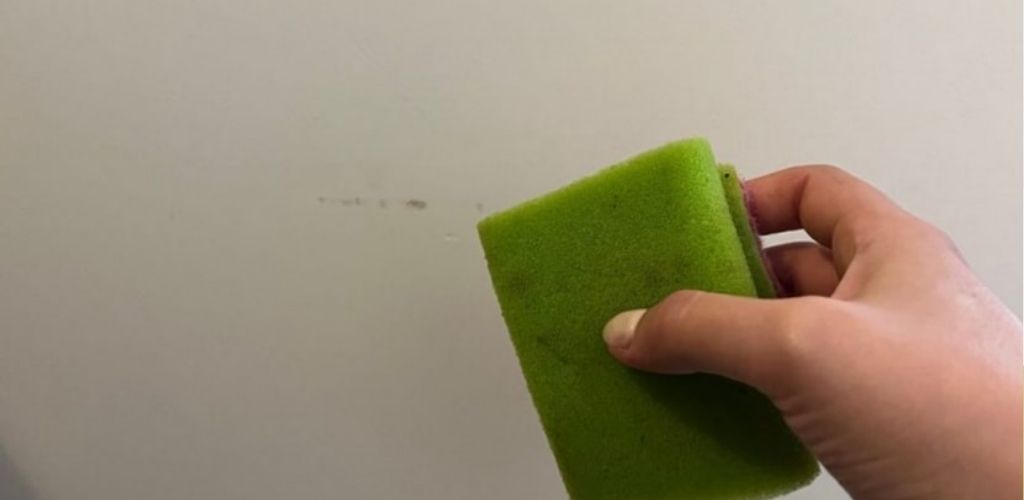
How to Remove Black Streaks from Walls Without Repainting: 5 Natural Hacks
Finding unsightly black streaks or scuff marks on your freshly painted walls can be incredibly frustrating. Whether they come from furniture moving, shoes, or mysterious household accidents, these marks often make a room look dingy. Most homeowners assume that a fresh coat of paint is the only solution, but that is a time-consuming and expensive mistake. In fact, you can restore your walls to their original glory using simple, non-toxic items already found in your kitchen. This guide explores the most effective natural methods to erase wall stains while protecting your paint job.
The Traditional Secret: Using Bread as an Eraser
It may sound unusual, but using a piece of bread is a time-tested trick passed down through generations for cleaning delicate surfaces. This “bread eraser” method is particularly effective for lifting surface dust and light scuff marks without using harsh chemicals. To try this, take a piece of stale bread—it is important that the bread is not too fresh, so it doesn’t crumble instantly—and moisten it slightly with a solution of water and a pinch of baking soda. Gently rub the bread over the black streak. The porous texture of the bread acts as a natural sponge, lifting the grime away. Finish by wiping the area with a dry microfiber cloth.
Vinegar: The Ultimate Multi-Purpose Wall Cleaner
White vinegar is a powerhouse when it comes to home maintenance. Its acidic nature makes it perfect for breaking down tough dirt, limescale, and even light mold spores that create dark patches on walls. To clean your walls safely, dampen a clean microfiber cloth with water and wring it out thoroughly. Apply a few drops of white vinegar to the cloth and gently wipe the affected area. This method is highly effective for large surface areas and persistent grime. If the mark remains, simply repeat the process. Vinegar is not only affordable but also evaporates quickly, leaving no sticky residue behind.
Baking Soda Paste for Stubborn Scuffs on White Walls
For bright white walls where black marks are especially visible, baking soda is an essential tool. It offers a mild abrasive quality that “polishes” the stain away without scratching the underlying paint. Create a cleaning gel by mixing one tablespoon of baking soda with a few drops of water until it reaches a paste-like consistency. Apply this mixture to a soft sponge and dab it onto the streak. The whitening properties of the soda will help lift the darkness. This method is a favorite for high-traffic areas like hallways where scuffs are a daily occurrence.
Wall Cleaning Methods Comparison:
| Method | Best For | Surfaces | Primary Benefit |
| Stale Bread | Light dust & crumbs | Delicate wallpaper/Paint | Non-abrasive & natural |
| White Vinegar | Mold, grease & grime | All washable paints | Disinfects & degreases |
| Baking Soda | Deep scuffs & streaks | White/Light walls | Gentle abrasive action |
| Hydrogen Peroxide | Organic stains | White walls only | Bleaching effect |
| Eraser | Pencil & small scuffs | Matte/Satin finishes | Quick & dry application |
Hydrogen Peroxide and the Power of the Eraser
If baking soda isn’t doing the trick on light-colored walls, hydrogen peroxide serves as an excellent alternative. Moisten a cloth with a small amount of peroxide and press it against the stain for a few minutes before wiping. For mechanical marks like pencil lines or small rubber scuffs, a standard white pencil eraser is an indispensable DIY tool. Be careful to use a high-quality, clean eraser; cheap or colored erasers can sometimes leave their own pigment behind or tear the paint. Apply light pressure and watch the streaks fade away as if they were never there.
Safety First: Protect Your Paint and Your Floors
Before you begin any wall cleaning project, it is vital to take a few precautions. Always test your chosen cleaning agent on an inconspicuous area, such as behind a door or a piece of furniture, to ensure it doesn’t discolor the paint. Additionally, be mindful of your flooring. Some cleaning agents, if dripped onto wood or carpet, can leave permanent spots. Lay down a towel or a drop cloth to catch any stray moisture. By taking these small steps, you ensure that the only change to your home is the disappearance of those annoying black marks.
Conclusion: Restoring Your Home’s Beauty Naturally
Maintaining a clean home doesn’t always require a trip to the hardware store for a gallon of paint. By utilizing household staples like vinegar, baking soda, and even bread, you can tackle wall stains effectively and ecologically. These methods are safe for families and pets, providing a budget-friendly way to keep your living space looking sharp. With a little patience and the right technique, those black streaks will soon be a thing of the past.
Did you find these wall-cleaning hacks helpful? We are dedicated to bringing you the most effective DIY home maintenance tips and eco-friendly solutions. If this guide helped you save time and money, please subscribe to our page, give this post a like, and share it with your friends and family on social media! Do you have a secret trick for keeping your walls spotless? Let us know in the comments below—we love learning from our community!