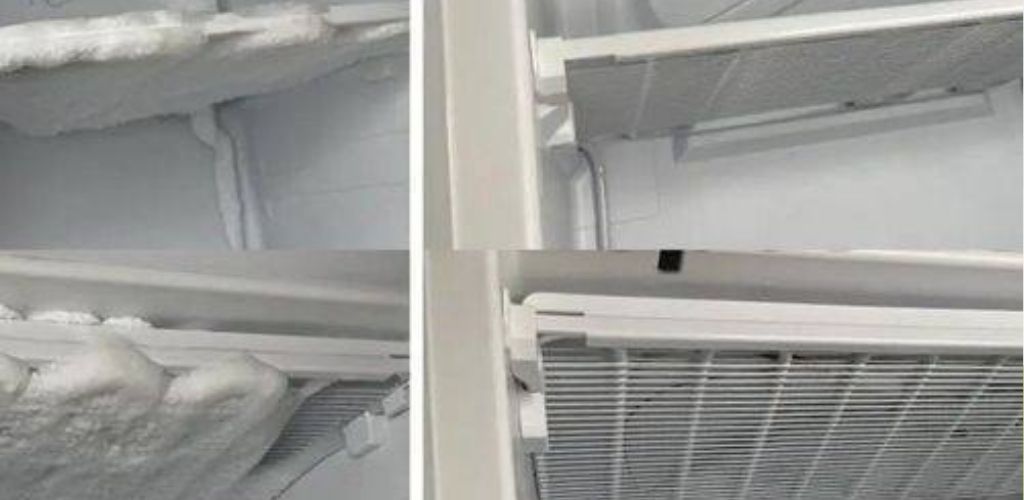
How to Defrost Your Fridge and Freezer Fast: Natural Hacks for Ice-Free Storage
The refrigerator is an indispensable household appliance, arguably one of the most vital for maintaining a modern lifestyle. It works tirelessly to keep your food fresh and safe for consumption. However, even the most advanced models are not immune to the accumulation of frost. When ice builds up on the interior walls, it forces the appliance to work harder, reducing cooling efficiency and spiking your energy bills. Fortunately, you don’t need harsh chemicals to fix this; a few simple kitchen staples can resolve the problem quickly and effectively.
The Salt Spray Method: A Pro Secret for Rapid Defrosting
Is your freezer developing a new layer of frost just days after your last cleaning? There is a clever, high-efficiency method to tackle persistent ice using nothing more than common table salt. Salt acts as a powerful de-icing agent by lowering the freezing point of water, making it much easier to melt thick layers of buildup. This technique is effective for both older units and newer models that lack “no-frost” technology. By applying a saline solution, you can reduce the need for deep cleaning to just once or twice a year.
Step-by-Step Instructions for the Salt Treatment
To begin, safely turn off your appliance and remove all food items. Mix two tablespoons of salt into a bowl of hot water until completely dissolved. Pour this mixture into a spray bottle and liberally coat the icy surfaces inside the unit. After letting it sit for a few minutes, the ice will begin to detach from the walls. You can gently assist the process by using a wooden spatula to lift away the frost. To prevent future buildup, wipe the clean, dry walls with a cloth dipped in a tiny amount of glycerin; this creates a thin, invisible film that makes it harder for moisture to freeze to the surface.
Baking Soda: The Odor-Neutralizing Alternative
If you don’t have salt on hand, baking soda serves as an excellent alternative. While slightly less aggressive than salt, it is fantastic for preventing the initial layer of moisture from turning into solid ice. Sprinkle a tablespoon of baking soda over the frost and rub the area with a cloth soaked in warm water mixed with a bit of talcum powder. Let the product work its magic for about 20 minutes before wiping it away. An added benefit of this method is that baking soda naturally neutralizes stubborn fridge odors, leaving your appliance smelling fresh and clean.
Fridge Defrosting Methods Comparison:
| Method | Best For | Speed | Added Benefit |
| Salt Spray | Thick ice & old freezers | Very Fast | Lowers freezing point |
| Baking Soda | Light frost & odors | Moderate | Deodorizes & cleans |
| Hot Water Bowl | Sealed freezer units | Passive | Hands-free method |
| Steam Cleaner | Deep cleaning | Instant | Sanitizes surfaces |
| Glycerin Film | Prevention | N/A | Stops ice from sticking |
Accelerated Defrosting with Steam and Heat
For those in a hurry, the hot water method is particularly effective for deep-seated freezer ice. Simply boil a pot of water and place it on a heat-resistant mat inside the closed freezer. The rising steam will penetrate the ice layers, causing them to collapse inward. For the absolute fastest results, a handheld steam cleaner can melt away frost in as little as 20 minutes. This high-temperature approach not only removes the ice but also sanitizes the interior surfaces, killing any bacteria that might have developed in hard-to-reach corners.
Maintenance Tips for a Long-Lasting Appliance
Regular maintenance is the key to ensuring your refrigerator lasts for years. When removing ice, never use sharp metal objects like knives, as these can easily puncture the cooling coils and ruin the appliance permanently. Stick to plastic or wooden tools for safety. Once the ice is gone, always rinse the surfaces with a damp microfiber cloth and dry them thoroughly before turning the power back on. Keeping your fridge frost-free doesn’t just save space; it ensures your food stays at a consistent temperature and helps protect the environment by lowering electricity consumption.
Conclusion: Efficiency Through Simple Care
Taking the time to properly defrost your fridge and freezer pays off in the long run. By using natural solutions like salt and baking soda, you can maintain a high-performing appliance without the need for expensive repairs or chemical cleaners. These simple hacks make a once-dreaded chore fast and manageable, allowing you to enjoy a cleaner, more efficient kitchen with minimal effort.
Did you find these appliance maintenance tips helpful? We love sharing the best home hacks to help you save energy and money. If this guide made your chores easier, please subscribe to our page, give this post a like, and share it with your friends and family on social media! Do you have a favorite trick for keeping your freezer ice-free, or a question about fridge care? Let us know in the comments below—we look forward to hearing your tips and success stories!