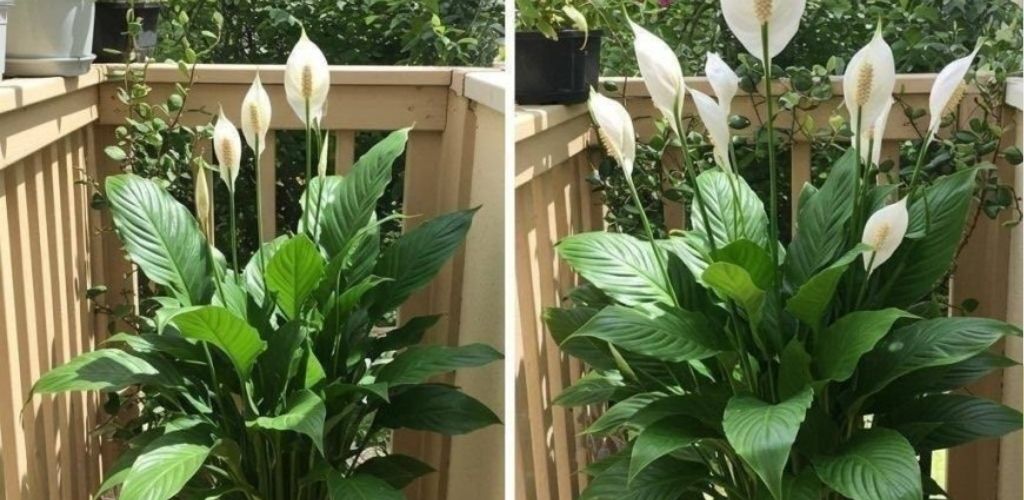
One Tablespoon to Better Growth: How Household Staples Impact Your Indoor Plants
Indoor plants often surprise us with how they react to minor changes in their care routine. Sometimes, just a single tablespoon of a common household ingredient can make a significant difference in their overall health and vitality—for better or for worse. From natural fertilizers like coffee grounds and eggshells to more unconventional remedies like milk or Epsom salts, each substance carries unique properties that can alter your soil’s chemistry. However, not every “viral hack” is beneficial. In this guide, we’ll explore exactly what happens when you add a tablespoon of various materials to your plants and which ones truly foster a thriving indoor garden.
The Truth About Kitchen Scraps: Coffee and Eggshells
The idea of using kitchen waste as fertilizer is popular, but it requires a strategic approach. For instance, a tablespoon of coffee grounds can enrich the soil with nitrogen, which is a dream for acid-loving plants like azaleas or ferns. However, caution is key: excessive use can make the soil too acidic and actually stunt growth. On the other hand, crushed eggshells are a fantastic long-term investment. They slowly release calcium into the soil, which is essential for cell wall structure and preventing issues like blossom end rot in indoor vegetable starts.
Unconventional Plant Boosters: Epsom Salt and Banana Peels
If your plants look a bit yellow or sluggish, they might be craving specific minerals. A tablespoon of Epsom salt provides magnesium and sulfur, two nutrients that boost chlorophyll production and help plants process sunlight more efficiently. This is particularly effective for heavy feeders like indoor peppers or tomatoes. Similarly, dried and ground banana peels are a goldmine for potassium and phosphorus. These minerals encourage strong root systems and vibrant blooms. Just remember to bury the peels or grounds under a thin layer of soil to avoid attracting unwanted gnats or fruit flies.
Cleaning and Protection: Soap and Milk Solutions
Not every additive is meant for the soil; some work best as topical treatments. A small amount of mild dish soap, properly diluted in water, can be a lifesaver when dealing with pests like aphids or spider mites. It breaks down the insects’ protective coating without the need for harsh chemicals. Interestingly, diluted milk can also serve as a natural fungicide. When sprayed on leaves, it helps combat powdery mildew. However, never apply undiluted milk to the soil, as it can encourage bacterial growth and create unpleasant odors that compromise your plant’s environment.
Household Additives Comparison Table:
| Substance | Primary Benefit | Best For | Risk Factor |
| Coffee Grounds | Nitrogen Boost | Acid-loving plants | Can increase soil acidity |
| Epsom Salt | Magnesium/Sulfur | Flowering & fruiting | Salt buildup if overused |
| Eggshells | Calcium Source | Structural strength | Very slow decomposition |
| Banana Peels | Potassium/Phosphorus | Root health | Can attract pests if on top |
| Mild Soap | Pest Control | Aphid infestations | May dry out leaves |
Ingredients to Avoid: The Sugar and Water Myth
It is just as important to know what not to add. A common misconception is that a tablespoon of sugar provides “energy” for the plant. In reality, sugar does not help plants grow; instead, it creates a breeding ground for mold and attracts pests like ants. Furthermore, while a tablespoon of water is harmless, it is functionally useless for most indoor plants. Succulents and tropicals alike require deep, thorough watering rather than superficial sips. This “sip-watering” only moistens the very top layer of soil, leaving the deep roots thirsty and prone to weakening.
The Magic of Aquarium Water for Indoor Greenery
One of the most effective, yet overlooked, plant boosters is aquarium water. When you clean your fish tank, that “dirty” water is actually a nutrient-rich liquid gold for your plants. It contains beneficial bacteria and dissolved nitrogen from fish waste that acts as an immediate, gentle fertilizer. Using just a few tablespoons (or a full watering can) of this water can lead to a noticeable growth spurt and greener leaves within days. It is the perfect example of how a simple household byproduct can be repurposed to create a more sustainable and lush indoor oasis.
Conclusion: Balanced Care for Thriving Plants
In conclusion, your kitchen and pantry are full of potential tools to help your indoor garden flourish. Whether you are adding magnesium via Epsom salts or calcium through eggshells, the secret lies in moderation and understanding the specific needs of each plant species. By avoiding harmful additives like sugar and focusing on nutrient-dense natural options, you can maintain a vibrant, healthy home environment. Always observe your plants’ reactions after trying a new method, and adjust your routine to ensure they continue to reach their full potential.
Did you find these plant care hacks helpful? We are passionate about sharing the best sustainable gardening tips and DIY home solutions to help your green space thrive. If this guide helped you save a wilting plant or discover a new fertilizer, please subscribe to our page, give this post a like, and share it with your fellow plant lovers on social media! Do you have a favorite secret ingredient for your indoor jungle, or a question about a specific plant? Let us know in the comments below—we love hearing your success stories!