Natural Vole Repellents: How to Stop the Silent Underground Killers
Every gardener knows the heartbreak of seeing a once-vibrant plant suddenly wither or feeling the ground give way underfoot. These are the tell-tale signs of voles, the invisible enemies lurking beneath the soil. Unlike moles, which primarily hunt for insects, voles target the very energy source of your greenery: the roots. By attacking fruit tree foundations, flower bulbs, and vegetable tubers, they can destroy an entire season’s hard work in weeks. However, you can reclaim your land using the clean power of fermentation and natural scents that force these rodents to pack their bags immediately.
The Power of Fermentation: Why Sauerkraut Juice Works
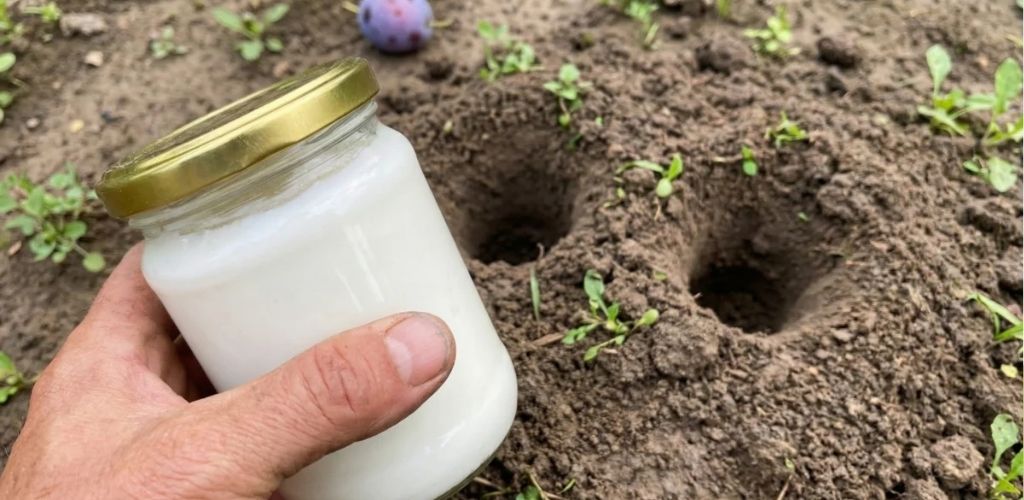
Finding a solution in a chemical aisle is often unnecessary and can be dangerous for pets or local wildlife. A true miracle is hidden in a simple jar of sauerkraut, a staple in many kitchens. Sauerkraut juice is packed with lactic acid and aromatic compounds created during fermentation. To the delicate senses of a rodent, this mix acts as an aggressive repellent that disorients them. For a vole, the scent of fermentation is a biological signal of a hostile environment. By mastering the correct application technique, you can make your pest problem vanish before they damage another root.
Intense Aromas as an Unbeatable Sensory Barrier
Rodents navigate underground primarily through touch and an incredibly sensitive sense of smell—many times more powerful than a human’s. What smells like a delicious side dish to us represents unbearable “scent smog” to a vole. Lactic acid penetrates deep into their tunnels, irritating their respiratory tracts and driving them toward the surface or the far corners of the garden. This method is exceptionally effective because it hits the rodents in their safest haven: the darkness of their burrows. Regularly replenishing this liquid creates an invisible “no-go zone” that no new vole will dare to cross.
Step-by-Step Guide: Applying the Solution to Underground Tunnels
First, identify active burrows in your garden. You can recognize them by small soil mounds or clean holes about four centimeters in diameter, often connected by visible paths in the grass. Take pure sauerkraut juice and pour approximately 100 to 200 ml directly into each discovered opening. It is crucial to pour the liquid as deep as possible so the vapors disperse throughout the entire tunnel network. After application, do not fill the holes back in; leave them open to allow air to circulate and carry the scent of the lactic acid. Repeat this every three days until you notice no new activity.
Comparison of Natural Vole Repellents:
| Method | Key Ingredient | Primary Effect | Best For |
| Fermentation | Sauerkraut Juice | Lactic acid irritation | Deep tunnel networks |
| Spicy Shock | Cayenne/Chili | Mucous membrane burn | Protecting specific tree trunks |
| Sulfur Barrier | Crushed Garlic | Strong repellent odor | Flower beds and bulbs |
| Essential Oils | Peppermint/Eucalyptus | Long-lasting scent smog | Near patios and seating areas |
The Heat of Chili and the Power of Garlic
If you don’t have sauerkraut on hand, other kitchen staples can work wonders. Hot peppers contain capsaicin, a substance that causes a strong burning sensation in mammals. Crush several dried chili peppers into a fine powder and sprinkle it into the burrows or around the trunks of young trees. Upon contact, the vole experiences a shock that forces it to abandon the location. Similarly, garlic’s sulfur compounds are highly repulsive to underground dwellers. Placing crushed garlic cloves deep into a tunnel creates a barrier that even the hungriest vole will not cross.
Essential Oils: Sophisticated Protection for Flower Beds
For those seeking a more modern approach, concentrated essential oils offer high efficiency with minimal effort. The most effective options are peppermint, eucalyptus, or tea tree oils. Simply drop a few drops of oil onto cotton balls or scraps of old cloth and push them deep into the vole tunnels. The intense menthol scent lingers in the closed underground space for a long time, acting as a continuous deterrent. These natural vole remedies are especially ideal for flower beds where the strong smell of sauerkraut might be intrusive during your relaxation time.
Why Natural Solutions Trump Industrial Chemicals
Using poisoned baits carries a massive risk of secondary poisoning for beneficial animals like owls or hawks that prey on voles. Natural methods are far more responsible toward your garden’s entire ecosystem. Furthermore, chemical agents can seep into groundwater and affect the quality of the vegetables you grow for your family. By using common food items, you ensure the health of your soil and your loved ones. Beyond ecology, you also save money, as most of these ingredients are already in your pantry or cost just a few cents.
Lesser-Known Tips to Discourage Garden Pests
Did you know that voles also detest the smell of coffee grounds? Coffee grounds also act as a great nitrogen fertilizer, so by pouring them into burrows, you are helping your plants simultaneously. Another clever trick is the scent of a predator; a small amount of used cat litter placed in a tunnel can trigger a vole’s natural flight instinct. Additionally, consider planting “living shields” like Crown Imperial (Fritillaria imperialis), ornamental garlic, or various types of spurge (Euphorbia), which naturally repel rodents with their root secretions.
If you found these garden protection tips helpful, make sure to subscribe to our page! Please give us a “Like,” leave a comment with your own experiences, and share this post with your fellow gardeners. Your support helps us grow and continue sharing eco-friendly ways to maintain a beautiful, healthy yard. Have you tried any of these methods yet? Let us know which one worked best for you!