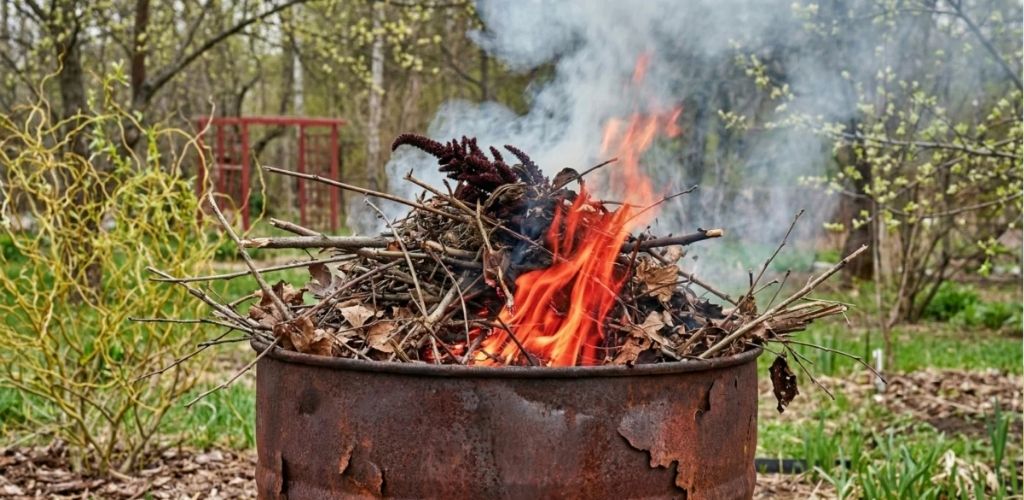
Burning Leaves and Grass: Why Your Garden Cleanup Could Cost You Thousands
Many property owners are unaware that the seemingly innocent act of burning yard waste can lead to serious legal trouble. What starts as a simple spring cleanup can quickly escalate into an expensive lesson for your wallet, often triggered by a single complaint from a neighbor or a visible cloud of thick smoke. In today’s world, traditional disposal methods are clashing with modern environmental laws designed to protect air quality and public health. Before you strike a match, it is essential to understand the shifting landscape of local regulations and the potential consequences of ignoring them.
The Legal Trap: Navigating Local Ordinances and Fire Bans
While national frameworks exist, the real power lies within local municipal regulations. Every local council has the authority to adapt rules based on the specific needs of their territory. In many regions, burning leaves and grass is strictly prohibited year-round, primarily because local authorities are now legally required to provide accessible waste collection centers and bio-waste containers. Ignorance of these local “Generally Binding Ordinances” is never accepted as a defense. If a patrol arrives at your gate, a lack of knowledge won’t shield you from a hefty administrative penalty.
Health Hazards Hidden in Thick White Smoke
Burning damp grass or piles of leaves results in incomplete combustion due to low core temperatures. This produces thick white smoke saturated with dangerous fine particulate matter (PM2.5). These tiny particles penetrate deep into the lungs and can immediately trigger asthma attacks in sensitive individuals, with young children and seniors being the most vulnerable groups. Beyond dust, the smoke contains carbon monoxide and various tar compounds that irritate the eyes and respiratory tract. Long-term exposure to this localized “garden smog” significantly increases the risk of chronic respiratory diseases.
Neighbor Disputes and the “Right to Clean Air”
The most common reason for a police visit to your property is a report from a neighbor. Smoke from wet yard waste spreads unpredictably and can ruin freshly laundered clothes hanging on lines several houses away. Under modern civil codes, no one is allowed to annoy their neighbors “above a reasonable measure” with emissions, which include dust, smoke, odors, and ash. These neighborhood feuds sparked by garden fires often last for years, destroying the peace of the community and leading to long-term legal mediation.
Comparison of Disposal Methods:
| Method | Legal Status | Environmental Impact | Cost |
| Burning | Mostly Illegal | High (Pollution/Health) | High (Potential Fines) |
| Composting | Encouraged | Positive (Soil Health) | Zero (Saves Money) |
| Waste Centers | Legal | Neutral (Industrial) | Low (Included in Taxes) |
| Mulching | Recommended | Positive (Moisture) | Zero (Natural Fertilizer) |
Financial Sanctions: From Small Fines to Massive Penalties
If authorities catch you illegally burning biological waste, a small on-the-spot fine is often just the beginning. For serious or repeated violations, administrative proceedings can lead to penalties reaching several hundred dollars for individuals. For legal entities and entrepreneurs, the fines are even more severe, often climbing into the thousands. If the fire spreads and causes damage to a neighbor’s property or requires a fire department intervention, the costs of the emergency response will also be added to your bill, potentially leading to financial ruin.
Eco-Friendly Alternatives: Composting and Mulching
Instead of destroying valuable nutrients with fire, you can return them to the soil through a home composter. Composting is the most natural way to process plant remains and costs absolutely nothing. Leaves, grass, and even small branches can be turned into high-quality fertilizer that would otherwise be expensive to buy at a store. Additionally, using shredded grass and wood as mulch around fruit trees and shrubs helps maintain soil moisture and prevents weed growth, eliminating the need for burning while making your garden easier to maintain.
When is Fire Allowed? Grilling and Safety Rules
It is a common misconception that all outdoor fires are banned. Fires used specifically for preparing food—such as grilling or roasting—are generally permitted and socially accepted. However, the key difference lies in the fuel used; for cooking, you must use only dry, clean wood that does not produce thick smoke or tar. Burning green waste under the guise of a BBQ is easily recognized by the smell and color of the smoke. Always keep fire extinguishing equipment nearby, never leave a fire unattended, and strictly avoid lighting any flames during windy weather or periods of long-term drought.
If you found this guide to legal and safe garden maintenance helpful, make sure to subscribe to our page! Please give us a “Like,” share this post with your fellow gardeners, and help us promote a cleaner, smoke-free neighborhood. Have you ever had a run-in with local authorities over a garden fire, or do you have a favorite composting tip? Let us know in the comments below—we value your experience and feedback!