Natural Potato Protection: How to Stop the Colorado Potato Beetle Before It Destroys Your Harvest
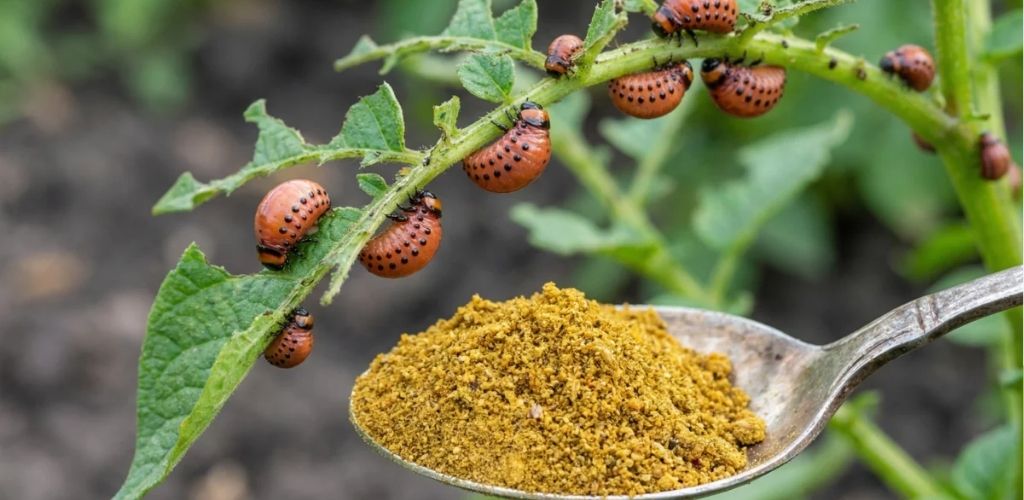
For many gardeners, the sight of the first orange eggs on a carefully tended crop is an annual nightmare. The Colorado potato beetle is not just a common insect; it is a highly adaptable adversary with massive reproductive potential. A single female can lay hundreds of eggs in a season, leading to gluttonous larvae that can strip a plant to its stems in days. However, there is a range of incredibly effective organic potato protection methods that can halt these pests. By understanding their biology and using natural deterrents, you can ensure a healthy harvest of chemical-free tubers.
Why Traditional Pesticides Are Losing the War Against Beetles
One of the biggest challenges in modern gardening is the beetle’s ability to build resistance to chemical sprays. The more synthetic pesticides you use, the more likely you are to breed a “super-generation” of resistant bugs for the following year. When larvae devour the leaf surface, the plant loses its ability to photosynthesize, causing the underground tubers to stop growing entirely. This leads to a total loss of the expected yield. Moving toward a natural defense strategy isn’t just better for your health—it’s often more effective in the long run.
The Strategy of Manual Collection as a First Line of Defense
While hand-picking might seem like tedious work, it remains the most precise method of elimination. Every adult beetle you remove at the start of the season prevents thousands of larvae from hatching later in the summer. When inspecting your plants, remember that beetles are clever; they hide their eggs on the underside of leaves to protect them from heat and predators. Never drop the collected pests on the ground, as they will quickly crawl back. Instead, use a container with concentrated soapy water to ensure their definitive disposal.
Wood Ash: The Mineral Shield for Your Potato Patch
Wood ash is far more than just fireplace waste; in a vegetable garden, it acts as a powerful mineral shield. Its fine particles mechanically damage the digestive tracts of larvae and make it difficult for them to move across the foliage. For maximum impact, apply the ash early in the morning while the dew is still on the plants. The moisture allows the gray powder to stick to the leaves like a thin film, making the plant completely unpalatable to the pests. As a bonus, the ash provides an extra boost of potassium and phosphorus to the soil.
Effective Natural Remedies for Potato Beetles:
| Method | Main Ingredient | Action | Best Time to Apply |
| Mineral Barrier | Wood Ash | Mechanical damage & feeding deterrent | Early morning (on dew) |
| Aromatic Shield | Birch Tar | Strong odor masks plant scent | Dry evenings |
| Repellent Spray | Onion Peels | Bitterness and phytoncides | Weekly intervals |
| Bitter Extract | Wormwood | Immediate larval deterrent | After rain |
Birch Tar and the Power of Aromatic Barriers
If you want to trick the beetle’s senses, birch tar is your strongest weapon. This thick oil has an incredibly intense, smoky smell that signals danger to insects. To create a deterrent spray, mix 100 ml of birch tar with 10 liters of water (you may need a little soap to help the oil emulsify). Spray your plants three times over a three-week period during a calm evening. The strong aroma lingers on the leaves, often causing the beetles to avoid your entire garden plot in favor of easier targets.
Onion Husk Infusion: A Hidden Repellent from Your Kitchen
Most people throw onion skins away, but they contain quercetin and other substances with natural repellent properties. An infusion made from these husks strengthens plant tissues and makes the leaves taste bitter to marauding insects. Take 300 grams of dry husks and soak them in 10 liters of boiling water for at least 24 hours in a dark place. Once strained, the dark liquid can be sprayed directly onto the leaves. This biological treatment not only repels adults but also nourishes the plant through its foliage.
Combining Wormwood and Ash for an Uncompromising Strike
Wormwood is famous for its extreme bitterness, which almost no herbivorous insect can tolerate. When combined with wood ash, it creates an infusion with superior insecticidal properties. Chop 300 grams of fresh wormwood and mix it with one cup of fine wood ash. Pour 10 liters of hot water over the mixture and let it extract for four hours. This potent extract should be applied specifically to the undersides of the leaves, where it will immediately discourage larvae and provide a lasting protective layer.
If you found these organic gardening tips helpful, make sure to subscribe to our page for more natural solutions! Please give us a “Like,” share this post with your gardening groups, and let’s grow healthy food together. Have you tried any of these methods, or do you have your own “secret weapon” against the potato beetle? Let us know in the comments below—we love hearing your success stories!