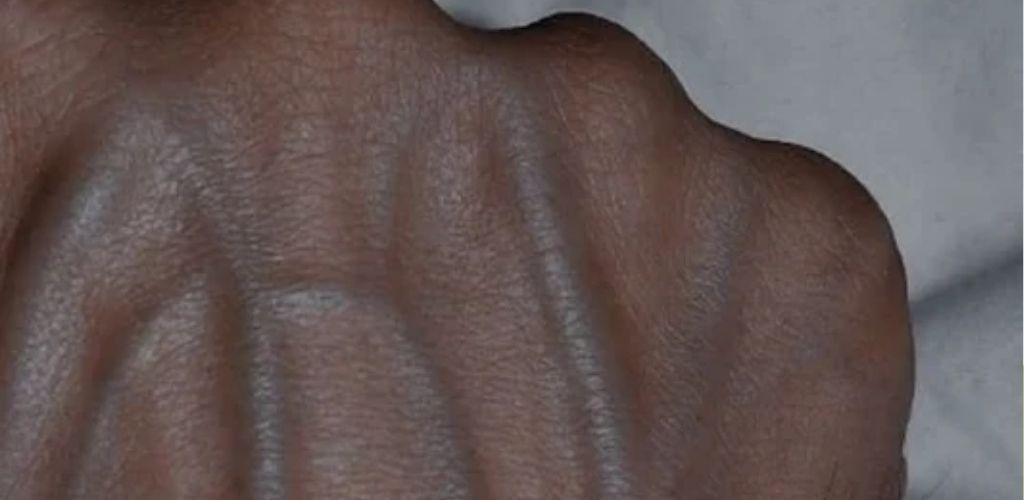
Why Are My Veins So Visible? 5 Health Warnings You Should Not Ignore
You roll up your sleeve or look down at your legs and pause. There they are—prominent, blue, or bulging veins that you never noticed before. For many, visible veins are a normal result of aging, fitness, or weight loss. However, when these vascular changes appear suddenly, look asymmetrical, or come with physical discomfort, they might be your body’s subtle way of signaling an underlying issue. While most changes are benign, certain conditions can cause veins to swell, discolor, or become unusually distinct. Here are five health problems that could be behind your newly visible veins and tips on when to seek professional medical advice.
1. Chronic Venous Insufficiency (CVI) and Varicose Veins
Chronic Venous Insufficiency occurs when the tiny valves inside your veins become weak or damaged. Instead of pumping blood efficiently back to your heart, the blood pools in your lower extremities. This pressure causes the veins to stretch and twist, leading to what we commonly know as varicose veins. Beyond just being visible, CVI often causes a heavy or aching sensation in the legs, especially after standing for long periods. You might also notice swelling around the ankles in the afternoon or brownish skin discolorations. Proactive steps like wearing compression stockings and elevating your legs daily can manage symptoms effectively.
2. Deep Vein Thrombosis (DVT): A Medical Emergency
Deep Vein Thrombosis is a serious condition where a blood clot forms in a deep vein, usually in the leg. This is a medical emergency because if the clot breaks loose, it can travel to the lungs and cause a pulmonary embolism. Unlike general varicose veins, DVT typically presents as sudden swelling in just one leg. The area may feel hard, warm to the touch, or tender. If you experience these symptoms along with redness or pain that worsens when walking, do not wait. Seek emergency medical care immediately and avoid massaging the area, as this could dislodge the clot.
3. Liver Disease and Portal Hypertension
When liver function declines due to conditions like cirrhosis or hepatitis, blood flow through the organ slows down. This increases pressure in the portal vein system, forcing blood into smaller collateral veins which then expand to handle the load. A rare but serious sign of this is “Caput Medusae”—veins that radiate from the navel like a spider web. Other red flags include a swollen abdomen (ascites), yellowing of the eyes or skin (jaundice), and chronic fatigue. If you notice unusual vein patterns on your stomach, it is crucial to request liver function tests and an ultrasound from your doctor.
Summary of Vein Changes and Potential Causes:
| Symptom | Potential Cause | Urgency Level |
| Twisted, bluish veins in both legs | Varicose Veins / CVI | Moderate (Consult GP) |
| Sudden swelling in one leg only | Deep Vein Thrombosis (DVT) | High (Emergency) |
| Spider-web veins on the abdomen | Liver Issues / Cirrhosis | High (Consult Specialist) |
| Red, cord-like vein (tender to touch) | Superficial Thrombophlebitis | Moderate |
| Symmetrical veins (arms/legs) | Exercise / Low Body Fat | Normal / No Action |
4. Superficial Thrombophlebitis: Inflammation of the Veins
Superficial Thrombophlebitis is an inflammation of a vein just under the skin, often caused by a small blood clot. This frequently happens after an IV insertion, a minor trauma, or long periods of inactivity. You might notice a red, hard, cord-like structure under your skin that feels warm or tender. While usually not life-threatening, it can be quite painful. Applying warm compresses and taking over-the-counter anti-inflammatories (if approved by your doctor) usually helps. However, if the redness spreads or the pain intensifies, a medical exam is necessary to ensure the inflammation isn’t spreading to deeper veins.
5. Autoimmune Conditions and Vascular Inflammation
Systemic conditions like Lupus, Rheumatoid Arthritis, or various forms of Vasculitis can cause blood vessels to become inflamed. This inflammation can make veins appear more “rope-like” or sensitive to the touch. Because these are systemic issues, they are often accompanied by other symptoms such as unexplained weight loss, fever, joint pain, or persistent fatigue. While visible veins alone aren’t enough to diagnose an autoimmune disorder, they serve as an important piece of the puzzle. Keeping a symptom diary can help your rheumatologist or primary care physician determine if a deeper investigation is required.
Know Your Body: When Visible Veins Are Perfectly Normal
It is important to remember that most visible veins are simply a sign of a high-functioning circulatory system. If your veins are symmetrical on both sides of your body, feel soft and flat rather than bulging, and don’t cause any pain, there is likely no cause for alarm. People who exercise regularly, have low body fat, or live in warmer climates often have more prominent veins as the body works to cool itself down. Your veins tell a story of your life and activity—most of the time, it’s a story of health and adaptation. Pay attention to the changes, but do so with awareness rather than fear.
Did you find this guide to vascular health helpful? If so, make sure to subscribe to our page for more health tips and body awareness guides! Don’t forget to “Like” this post and share it with someone who might be worried about their visible veins. Have you noticed sudden changes in your veins lately? Let us know your experience in the comments below—your story might help someone else stay vigilant!