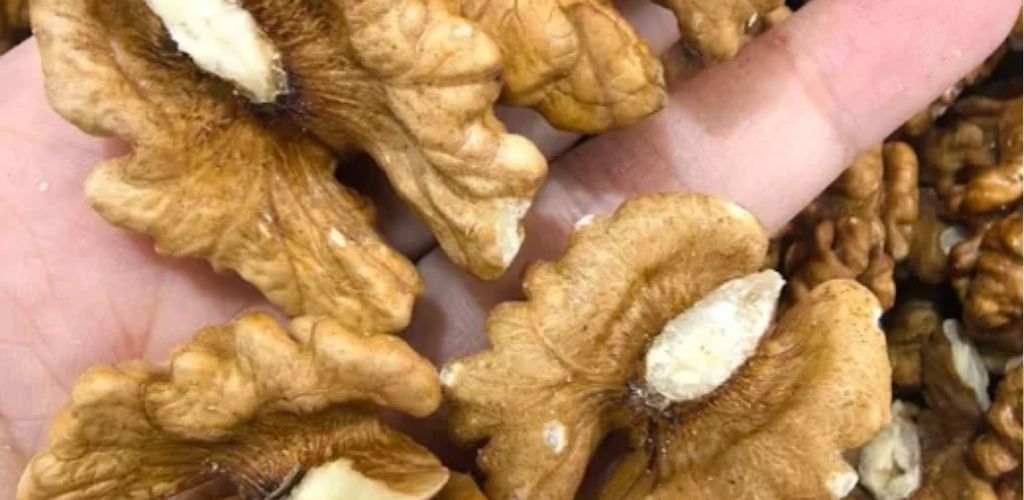
The Power of Walnuts: Why This Ancient Superfood is the Ultimate Brain and Heart Fuel
For centuries, walnuts have been revered as more than just a simple snack. In ancient traditions ranging from the Mediterranean to Persia and Ayurveda, they were seen as symbols of wisdom—likely due to their uncanny resemblance to the human brain. Today, modern nutritional science is finally catching up with these ancient beliefs. Research now confirms that regular walnut consumption is linked to measurable improvements in cognitive function, cardiovascular wellness, and even the diversity of the gut microbiome. But before you start eating them by the bagful, let’s separate the hype from the facts and explore what researchers actually say about this nutrient-dense tree nut.
What Makes Walnuts Unique Among All Other Nuts?
Walnuts stand in a league of their own when compared to almonds, peanuts, or cashews. They are the only nut that contains a significantly high amount of Omega-3 fatty acids, specifically Alpha-Linolenic Acid (ALA). Additionally, they are loaded with polyphenols, particularly in that thin, slightly bitter skin that many people mistakenly peel off. This combination of healthy fats and antioxidants makes them a powerhouse for fighting oxidative stress and systemic inflammation.
Nutritional Profile per 1-ounce serving (approx. 14 halves):
- Calories: 185 kcal
- Protein: 4g
- Fiber: 2g
- ALA Omega-3: 2.5g (100% of the daily requirement for women, 75% for men)
- Minerals: Excellent source of Magnesium and Copper.
Boosting Brain Health and Cognitive Longevity
One of the most celebrated benefits of walnuts is their impact on the mind. The specific blend of Omega-3s and polyphenols helps reduce neuroinflammation, which is a key factor in cognitive decline. A comprehensive 2023 review published in the journal Nutrients found that older adults who consumed walnuts daily over a two-year period showed better memory retention, faster information processing speeds, and greater mental flexibility. By protecting the brain from oxidative damage, walnuts act as a natural shield for your long-term cognitive health.
A Heart-Healthy Ally: Managing Cholesterol and Blood Pressure
Your heart also benefits immensely from these crunchy treats. Regular walnut consumption is consistently associated with lower levels of LDL (“bad”) cholesterol and improved arterial flexibility. The amino acid arginine found in walnuts supports healthy blood vessel function, allowing for better circulation and reduced blood pressure. By integrating walnuts into a balanced diet, you are effectively providing your cardiovascular system with the essential fats it needs to remain resilient against the stresses of aging and poor lifestyle habits.
Fueling the Gut Microbiome and Managing Weight
It might seem counterintuitive to eat high-calorie nuts to lose weight, but walnuts are surprisingly weight-friendly. Because of their unique cell structure, a portion of the fat in walnuts passes through the body undigested. Furthermore, the protein and fiber content increases satiety, making you feel full longer. Beyond weight, walnuts act as a prebiotic, feeding beneficial gut bacteria like Lactobacillus. A healthy gut microbiome is linked to better digestion, reduced inflammation, and even improved mood via the gut-brain axis.
Science-Backed Benefits of Daily Walnut Consumption:
| Benefit Area | Key Nutrients Involved | Scientific Outcome |
| Brain Power | ALA Omega-3 & Polyphenols | Improved memory and processing speed |
| Heart Health | Arginine & Healthy Fats | Lower LDL cholesterol and blood pressure |
| Digestion | Fiber & Prebiotic compounds | Increased beneficial gut bacteria |
| Metabolism | Plant Protein & Fiber | Better appetite control and glucose stability |
Important Tips for Storage and Preparation
To get the most out of your walnuts, you must handle them with care. Because they are rich in polyunsaturated fats, they can turn rancid quickly if exposed to heat or light. To maintain their freshness and nutritional integrity, always store them in an airtight container in the refrigerator or freezer. Additionally, try to consume them raw or only lightly toasted. Heavy roasting can destroy the delicate Omega-3 fatty acids that make them so beneficial in the first place. And remember: always keep the skin on, as that is where the highest concentration of antioxidants resides!
Small Nut, Massive Impact on Your Future Self
While walnuts aren’t a “magic cure” that can reverse aging overnight, they are a powerful tool for long-term health when consumed as part of a varied diet. A simple handful—about 30 grams or a quarter cup—is all you need to reap these rewards. By making this small adjustment to your morning yogurt or afternoon snack, you are investing in a sharper mind, a stronger heart, and a healthier gut. Sometimes, it truly is the smallest foods that make the biggest difference in our vitality and longevity.
Did you find this deep dive into the world of walnuts helpful for your health journey? If so, make sure to subscribe to our page so you never miss our latest wellness guides and nutritional tips! Don’t forget to “Like” this post and share it with a heart-healthy friend or a brain-fitness enthusiast. We want to hear from you: What is your favorite way to enjoy walnuts? Tell us in the comments below—your ideas might inspire someone else to start their healthy habit today!