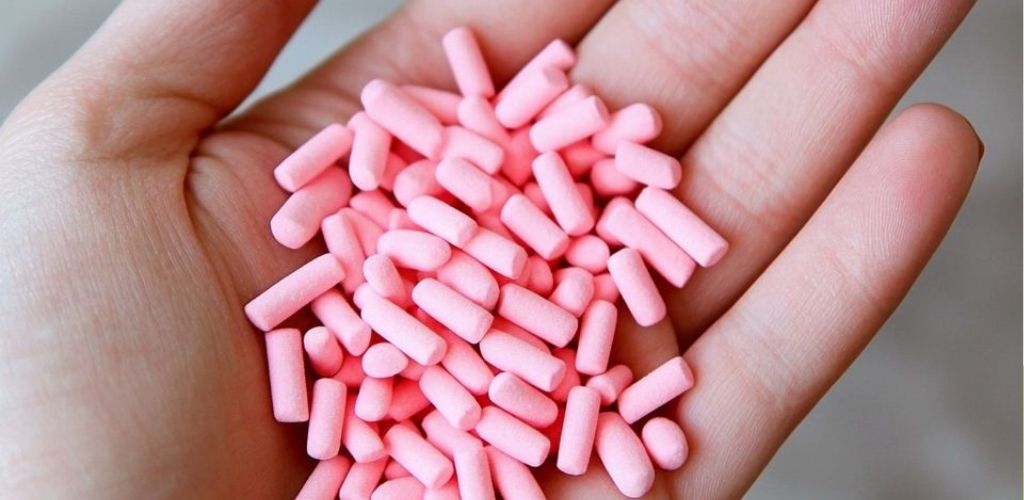

Identifying Mystery Pink Pellets in Your Garden: A Hidden Danger
Finding unusual objects in your garden can be deeply unsettling, especially for households with curious pets and young children. Recently, a growing number of homeowners have reported discovering strange, pink, chalky pellets scattered across their property. These small items are typically lightweight and odorless, leading to urgent questions regarding their origin and potential toxicity. This guide aims to clarify what these mysterious granules are, the severe risks they pose to your family, and exactly how you should respond if you spot them near your home.
Visual Characteristics of Rodenticide Pellets
The pink pellets in question are usually small, cylindrical, and possess a distinct chalk-like consistency. Their vibrant, artificial color is a primary feature designed to make them stand out against the natural greens and browns of a backyard environment. While they might appear harmless or even like a lost toy at first glance, their presence is often a red flag for chemical pest control. Because they are designed to be attractive to small mammals, they can easily catch the attention of a dog or a toddler, making immediate identification crucial for safety.
What is Brodifacoum? The Truth About Modern Rat Poison
Most of these pink granules contain a potent active ingredient known as Brodifacoum. This is a highly effective second-generation anticoagulant commonly used to manage rodent populations. It works by inhibiting the body’s ability to clot blood, leading to internal bleeding in rodents. While highly effective for pest control, this substance is non-discriminatory; it poses a lethal threat to any living creature that ingests it. Because the chemical accumulates in the liver, even a small amount can stay in a pet’s system for a long duration, leading to delayed but severe health crises.
Key Facts About Brodifacoum Pellets:
| Feature | Detail | Purpose |
| Color | Bright Pink / Magenta | Warning signal for humans and non-targets |
| Active Ingredient | Brodifacoum | Anticoagulant (prevents blood clotting) |
| Shape | Small Cylinders / Pellets | Mimics natural food for rodents |
| Common Use | Pest Control | Lethal management of rats and mice |
The Reason Behind the Color: Why Are They Pink?
You might wonder why a manufacturer would color a poison so vibrantly. The bright pink hue serves a dual purpose. First, it acts as a visual deterrent for humans and larger animals, signaling that the material is not food. Second, the specific dye helps pest control professionals and homeowners quickly identify the pellets as a commercial rodenticide. This allows for faster identification during accidental ingestion emergencies, as medical professionals can immediately recognize the “pink pellet” profile as an anticoagulant-based poisoning.
Safe Application and Common Exposure Risks
In a professional setting, these pellets are supposed to be secured inside tamper-proof bait stations. However, they are sometimes used improperly or can be moved by the rodents themselves, who may “cache” or hide the pellets in various parts of your garden. Exposure risks are highest in areas where pets play or near garden edges. If you haven’t placed poison yourself, it is possible a neighbor is using it, or a rodent has dragged it onto your property. Proper handling and storage are the only ways to prevent non-target animals from accessing these toxins.
Symptoms of Poisoning in Pets and Children
Ingesting rodenticide pellets is a medical emergency. In pets, symptoms of Brodifacoum poisoning may include extreme lethargy, difficulty breathing, coughing (sometimes with blood), and pale gums. Because it affects blood clotting, you might notice unusual bruising or bleeding from the nose or mouth. Children may show similar signs, though they may not be able to articulate what they’ve swallowed. Any suspicion of ingestion requires immediate contact with a poison control center, a pediatrician, or an emergency veterinarian, as the effects are often delayed by several days.
Emergency Steps: What to Do If You Find Pellets
If you discover pink pellets in your yard, swift action is your best defense. Immediately move all pets and children indoors away from the affected area. Using protective gloves, carefully collect the pellets and place them in a sealed container for disposal or identification. It is highly recommended to contact a professional pest control service to assess whether a neighbor’s baiting program has leaked onto your land. Inform your neighbors of the find to prevent a community-wide hazard, and if you suspect any ingestion, do not wait for symptoms to appear—seek medical help immediately.
Help us keep our community safe! If you found this safety guide helpful, please subscribe to our page, give this post a “Like,” and share it with your neighbors to warn them about these garden hazards. We value your support in spreading awareness! Have you ever encountered mystery items in your yard? Let us know your story in the comments below!