How to Restore Rusty Metal Objects: 5 Simple and Effective Natural Hacks
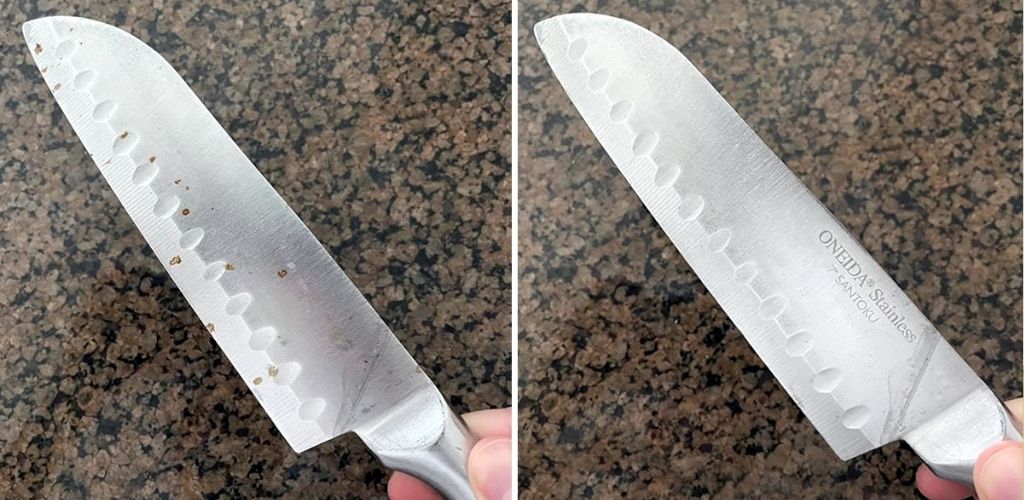
It is a common frustration: you reach for a favorite kitchen tool or a trusty metal utensil only to find it covered in unsightly reddish-brown spots. Over time, metal objects naturally begin to oxidize, especially when exposed to constant use, high humidity, or even minor lapses in care. This deterioration doesn’t just make your belongings look old; it significantly reduces their lifespan and can even pose health risks if the rust becomes excessive and comes into contact with food.
Fortunately, a bit of surface corrosion doesn’t mean it’s time for the trash bin. You don’t need expensive industrial chemicals to bring your metalware back to life. In fact, some of the most powerful rust-fighting agents are already sitting in your pantry. By using these clever DIY solutions, you can dissolve oxidation, recover that original metallic luster, and ensure your tools remain safe and functional for years to come.
Baking Soda: The Gentle Scrubber for Light Oxidation
Baking soda is a staple for a reason—it is a mild abrasive that works wonders on surface rust without scratching the underlying metal. This method is particularly effective for kitchen appliances and cutlery where you want to avoid harsh chemicals. The key is to create a thick consistency that stays in contact with the affected area, allowing the alkaline properties to break down the iron oxide bonds.
To use this method:
- Dampen a small amount of baking soda with just enough water to create a paste.
- Apply the mixture generously over the rusty spots.
- Use an old toothbrush or a soft sponge to scrub the area in circular motions.
- Rinse thoroughly and, most importantly, dry the object completely to prevent new rust from forming.
Apple Cider Vinegar: The Overnight Deep Soak
When dealing with more stubborn or widespread rust, a deeper intervention is required. Apple cider vinegar (or even standard white vinegar) contains acetic acid, which reacts with rust to dissolve it. This is the “lazy man’s” hack because the liquid does most of the heavy lifting while you sleep. It is perfect for smaller items like screws, bolts, or hand tools that can be fully submerged.
Comparison of Natural Rust Removers:
| Remedy | Active Agent | Best For |
| Baking Soda | Mild Abrasive | Light surface rust & cutlery |
| Apple Cider Vinegar | Acetic Acid | Deeply rusted small objects |
| Lemon & Salt | Citric Acid | Delicate items & stains |
| Raw Potato | Oxalic Acid | Flat surfaces & pans |
Lemon and Salt: A Powerful Acidic Combination
If you need a bit more “bite” than baking soda provides, the combination of salt and lemon is a classic home remedy. The salt acts as a heavy-duty abrasive, while the citric acid in the lemon juice works as a natural solvent for the rust. This duo is highly effective for removing rust from stainless steel sinks or larger kitchen blades.
To apply this hack, sprinkle a layer of salt over the rusted area until it is well-covered. Then, squeeze the juice of half a lemon over the salt. Let the mixture sit for about two to three hours before using the lemon rind itself as a scrubber. The rind provides just the right amount of friction to lift the loosened rust away, leaving behind a fresh citrus scent and a clean surface.
The Raw Potato Trick: The Secret Power of Oxalic Acid
It sounds like a myth, but a raw potato is actually one of the most effective tools for removing rust and mold. Potatoes contain oxalic acid, a natural compound often found in commercial cleaning products. When you combine the chemical action of the potato juice with a bit of friction, rust simply slides off. This method is exceptionally safe for cast iron pans and flat metal surfaces.
Simply slice a potato in half and rub the cut side directly onto the rusty patch. For a “turbo-charged” version, dip the cut end of the potato in baking soda or dish soap before scrubbing. This creates a dual-action cleaning process that tackles the rust chemically and mechanically at the same time. Once the rust is gone, rinse the item and wipe it down with a light coat of oil if it’s a cast iron surface.
Aluminum Foil: The High-Speed Friction Hack
For a fast and surprising solution, look no further than your roll of aluminum foil. This method relies on a chemical reaction between the aluminum and the rust, as well as the unique texture of the foil. It is incredibly effective for chrome surfaces, such as bike handles or kitchen racks, where you want a mirror-like finish.
Tear off several small squares of aluminum foil (about 3 or 4 square centimeters) and dip them into plain water. Use the wet foil to scrub the rusted metal. You will notice that the rust comes off much faster than with a standard sponge. Because aluminum is a softer metal than steel, it removes the rust without leaving deep scratches, making it a favorite for restoration enthusiasts.
Did you find these restoration tips helpful? We love sharing practical hacks to help you save money and keep your home in top shape! If you want to stay updated with more DIY secrets and natural cleaning guides, please subscribe to our page. Don’t forget to “Like” this post and share it with your friends and family—let’s help everyone save their favorite tools from the scrap heap! Do you have a secret rust-removal trick of your own? Tell us all about it in the comments below!