Jade Plant Secrets: How to Encourage Your Money Tree to Bloom
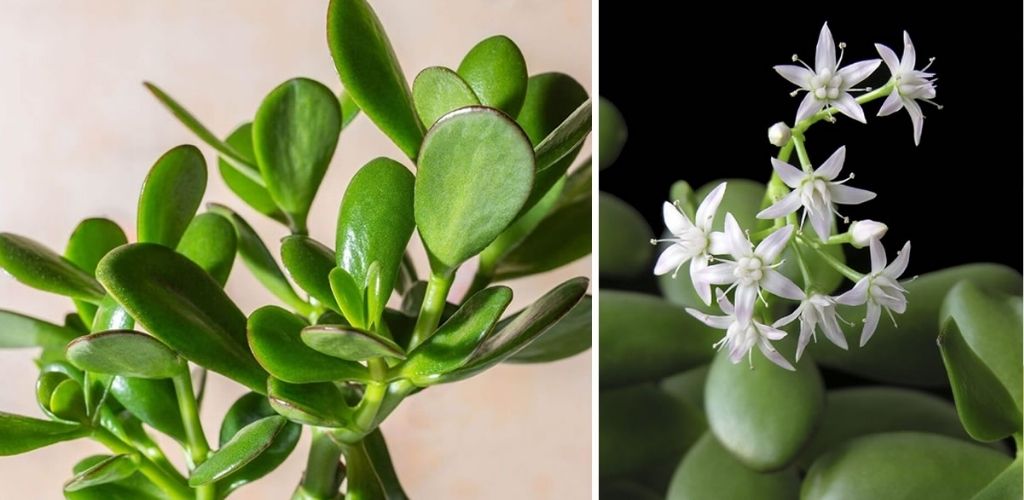
The Jade Plant (Crassula ovata) is a favorite for both garden enthusiasts and indoor decorators. It isn’t just loved for its lush, succulent leaves; in many cultures, it is also a symbol of good luck and prosperity. However, many owners are surprised to learn that this resilient succulent can actually produce stunning, star-shaped flowers that are white with delicate purple touches. These fragrant clusters usually appear at the tips of the branches, bringing a touch of elegance to your home just as winter ends and spring begins.
Getting a Jade Plant to bloom is often considered a challenge, but it is entirely possible if you understand its unique needs. First, you must have patience: a Jade Plant typically needs to reach maturity, often taking up to 10 years, before it is ready to produce its first flowers. Beyond age, the secret to flowering lies in creating the perfect environment. By balancing humidity, light, and temperature, you can transform your green succulent into a flowering masterpiece that brightens up your living space.
The Golden Rules of Jade Plant Fertilization
To provide the energy needed for blooming, your plant requires high-quality nutrition. Think of fertilizer as the fuel for your Jade Plant’s floral engine. While these plants are hardy, they respond exceptionally well to a consistent feeding schedule during their active growth phases. Using a balanced natural fertilizer or a rich organic compost can provide the minerals necessary for strong stems and healthy buds.
One expert “pro-tip” is to use a fertilizer specifically formulated for African Violets. Applying this once a month throughout the spring and summer gives the Jade Plant a specific nutrient boost that encourages bud formation. Remember to stop fertilizing in the autumn and winter when the plant enters its natural resting period. Proper nutrition during the warmer months sets the foundation for those beautiful star-shaped clusters to emerge once the weather begins to turn.
Mastering the Art of Watering and Humidity
One of the most common mistakes in Jade Plant care is overwatering. Because they are succulents, Jade Plants store water in their thick leaves and stems, making them highly resistant to drought but very sensitive to root rot. To encourage flowering, you must simulate the plant’s natural arid environment. Excessive moisture in the soil or air will stress the plant and prevent it from ever producing flowers.
Jade Plant Care Quick Reference:
| Factor | Ideal Condition | Warning Signs |
| Watering | Only when soil is bone dry | Yellowing or mushy leaves |
| Light | Bright, indirect sunlight | Brown spots or “burnt” edges |
| Temperature | Warm days, cool nights | Dropping leaves in extreme heat |
| Fertilizer | Monthly in Spring/Summer | Stunted growth if neglected |
Lighting and Placement: Finding the Sweet Spot
Placement is everything when it comes to the health of a Money Tree. While they love brightness, they are not fans of the harsh, direct midday sun. Intense sunlight can actually scorch the leaves, leaving permanent brown marks and weakening the plant’s overall health. The ideal spot is a well-lit corner or a windowsill that receives plenty of filtered light throughout the day.
It is also important to note that while some plants thrive in humid environments like bathrooms or kitchens, the Jade Plant is not one of them. The high humidity and trapped heat in these rooms can cause the plant to suffer and will almost certainly prevent it from blooming. Choose a dry, airy room with stable conditions. If you notice the leaves becoming pale or the plant stretching toward the light, it’s time to move it to a brighter location.
The Cold Trigger: Why Autumn Temperature Matters
Science has shown that a specific temperature drop can act as a “trigger” for the Jade Plant to start its flowering cycle. In late autumn, exposing your plant to a slightly cooler environment—such as a porch or a cooler hallway—mimics the natural transition into winter. These cooler nights, combined with shorter daylight hours, signal to the plant that it is time to prepare for reproduction.
Keep the plant in a spot where temperatures are around 12°C to 15°C (55°F to 60°F) during the night in late autumn. This “cold snap” helps the plant set its buds. However, be careful not to expose it to actual frost, which would be fatal. Once you see the tiny clusters of buds forming at the tips of the branches, you can move the plant back to its usual warm spot to enjoy the fragrant display as the flowers open.
Achieving the Rare Jade Bloom at Home
By following these simple steps—controlled watering, proper lighting, strategic cooling, and balanced feeding—you can join the elite group of plant owners who have seen their Jade Plant in full bloom. It is a rewarding experience that proves your plant is healthy and thriving in its environment. Even if your plant isn’t quite old enough to flower yet, these care tips will ensure it stays vibrant and beautiful for years to come.
Did you find these gardening tips helpful? We love sharing secrets to help your indoor jungle thrive! If you want to see more plant care guides and home decor inspiration, please subscribe to our page. Don’t forget to “Like” this post and share it with your friends and family—let’s help everyone see their Jade Plants bloom! Do you have a Money Tree at home? Tell us about your plant in the comments below!