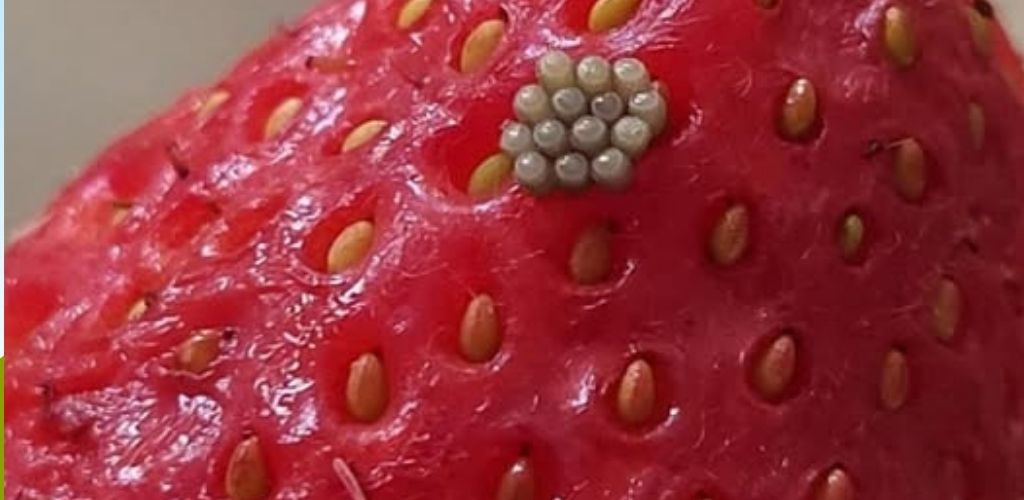
White Worms in Berries: Should You Worry or Keep Eating?
Take a deep breath. Seeing tiny, wiggling white larvae emerging from your fresh raspberries or strawberries is undoubtedly unsettling. However, before you rush to throw the entire batch into the trash, it is important to understand what is actually happening and whether these fruits are still safe for consumption. Most of the time, what you are witnessing is a natural part of open-air farming that has existed as long as humans have been harvesting fruit.
The culprits are likely the larvae of the Spotted Wing Drosophila (Drosophila suzukii), a specific type of fruit fly. Unlike common fruit flies that seek out overripe or rotting produce, this species targets perfectly ripe berries while they are still hanging on the vine. The female fly uses a specialized organ to deposit eggs just beneath the skin of firm fruit. Common hosts include strawberries, blueberries, raspberries, blackberries, and cherries. These eggs hatch into tiny maggots that feed on the fruit from the inside, often remaining invisible until the berries are soaked in water.
Are Infested Berries Safe to Eat?
The blunt truth is that these larvae are present in a significant portion of the fresh produce we consume. From a biological standpoint, they are harmless to humans and consist almost entirely of protein. They do not carry diseases, and people have been unknowingly consuming them for generations. What has changed recently is not the presence of these pests, but our awareness of them—largely due to viral social media trends showing people soaking fruit in salt water.
If you discover larvae, the decision to keep the fruit is largely a matter of personal comfort rather than food safety. If the berries are still firm and do not show signs of rot or mold, they remain edible. However, if the idea of eating them raw makes you uneasy, there are several ways to process the fruit so that you can still enjoy your purchase without waste.
Quick Comparison: How to Handle “Inhabited” Berries
| Method | Effectiveness | Best For |
| Salt Water Soak | High (removes larvae) | Fresh eating & salads |
| Freezing (48h) | 100% (kills larvae/eggs) | Smoothies & shakes |
| Cooking/Boiling | 100% (kills & sterilizes) | Jams, syrups & baking |
| Cold Rinsing | Low (only surface clean) | Immediate consumption |
Pro Tip: The Salt Water Extraction Method
If you want to eat your berries fresh but want the “extra guests” gone, use the salt water soak method. Mix 1–2 teaspoons of salt per cup of cold water and submerge the berries for 15 to 20 minutes. This creates an environment that encourages the larvae to crawl out of the fruit. After the soak, rinse the berries thoroughly under running cold water to remove any salty residue, pat them dry, and refrigerate. Most of the larvae will be washed away, leaving you with clean fruit.
For those who still feel squeamish, cooking is the ultimate solution. High temperatures effectively sterilize the fruit and kill any larvae or eggs. Using your berries for jams, jellies, pies, or sauces ensures safety and changes the texture so that you would never notice any “extra protein.” Baking them into muffins or cobblers is another excellent way to ensure the fruit doesn’t go to waste while providing peace of mind.
Prevention and Smart Shopping
To minimize the chances of bringing larvae home, inspect your fruit carefully at the store or farmer’s market. Look for tiny “pinprick” holes in the skin of the berries, which indicate where eggs may have been laid. Avoid containers with soft spots, leaky juice at the bottom, or overripe fruit, as these are magnets for pests. At home, keep your berries dry and refrigerated; moisture accelerates spoilage, and cold temperatures slow down the development of any hidden eggs.
It is also worth considering your source. Organic berries may have a slightly higher instance of insects because they aren’t treated with synthetic pesticides. However, even conventional berries are not 100% insect-free, as systemic pesticides aren’t always effective against larvae living inside the fruit. Buying from local farmers who use Integrated Pest Management (IPM) or using fine mesh netting in your own garden are the best ways to reduce infestation naturally.
When Should You Actually Throw Berries Away?
While larvae are a quality issue, mold and fermentation are safety issues. You should definitely discard your berries if you notice fuzzy gray or white mold, a strong fermented or “boozy” smell, or if the berries have become mushy and sit in a pool of standing liquid. If the fruit is physically breaking down or smells “off,” it has moved past the point of being a host for insects and has started to grow harmful bacteria or fungi.
Ultimately, the presence of tiny insects is a reminder that our food comes from the earth, not a sterile lab. Whether it’s aphids on your lettuce or thrips in your broccoli, insects are a natural part of the agricultural ecosystem. By practicing proper washing and storage techniques, you can significantly reduce their presence and continue to enjoy the nutritional benefits of fresh fruit without unnecessary anxiety.
The Bottom Line on Fruit Pests
Finding larvae in your salt-water-soaked berries is a shock, but it isn’t a reason to panic. You have three great choices: wash them thoroughly and eat them fresh, freeze them for later use in smoothies, or cook them into a delicious dessert. These tiny creatures have always been a part of the harvest; we just have better ways of seeing them now. Don’t let a little biology ruin your love for fresh, delicious summer berries.
Did this guide help clear up your berry concerns? Join our community for more! If you want regular tips on food safety, clever kitchen hacks, and sustainable living, be sure to subscribe to our page. Give us a “Like” if you’ve ever tried the salt water soak, and share this post with your friends and family—let’s help everyone save their fruit! Have you ever found “extra guests” in your produce? Tell us your story in the comments!