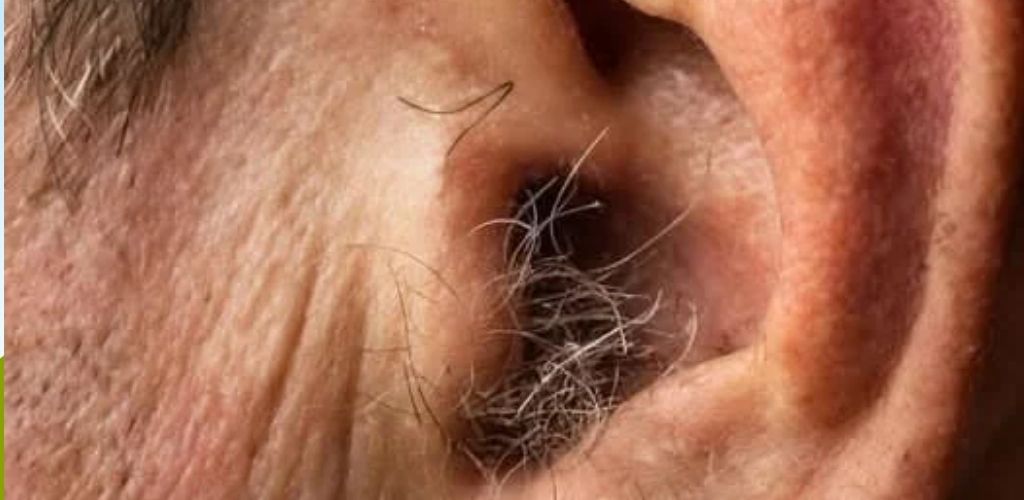
The Truth About Ear Hair: Why It Grows and What It Means for Your Health
Did you know that finding hair on or inside your ears is a completely normal part of the aging process? Many people suddenly notice these wiry strands after reaching their 50s or 60s and immediately worry that something is wrong. Others might feel embarrassed, try to hide them, or make jokes about “getting old.” However, the reality is much simpler: ear hair is merely a reflection of natural hormonal and genetic shifts over time—not a sign of disease or physical decline.
As we age, our bodies do not change uniformly. While the hair on your scalp may thin out, hair in places like the ears, nose, or eyebrows often begins to grow thicker and more prominent. This happens because hair follicles react differently to hormones as the decades pass. Specifically, androgens—such as testosterone and dihydrotestosterone (DHT)—influence growth patterns based on the part of the body. While men are more prone to noticeable ear hair, women often start to see it after menopause when estrogen levels naturally decrease.
Why Does Ear Hair Actually Grow?
Genetics play the most significant role in determining the density, thickness, and timing of ear hair growth. If your father or grandfather had prominent ear hair, there is a very high probability that you will develop it too. Evolutionarily, these hairs once served a practical purpose: they acted as a biological filter to trap dust before it reached the ear canal, kept insects at bay, and protected the sensitive inner ear from foreign debris. Today, while we may find them aesthetically bothersome, they are simply a continuation of your body’s natural protective functions.
Understanding the Factors Behind the Growth
| Factor | Impact on Ear Hair |
| Aging | Follicle sensitivity to hormones shifts over several decades. |
| Androgens | Testosterone and DHT stimulate growth in specific terminal areas. |
| Genetics | Dictates the “blueprint” of when and how much hair appears. |
| Hormonal Shifts | Menopause in women can trigger new, coarser growth patterns. |
Debunking Common Myths About Ear Hair
There are many misconceptions floating around regarding what ear hair “signals” about your internal health. One of the most persistent myths is that ear hair indicates poor circulation or an impending heart disease. This idea originated in the 1970s from a small, poorly designed study. Since then, extensive follow-up research has failed to find any credible link between ear hair and cardiovascular issues. Similarly, it is not an indicator of stroke risk or organ failure.
Another common myth is that if you trim or shave the hair, it will grow back thicker or darker. In reality, cutting the hair does not change its structure or the follicle beneath the skin. It only creates a blunt edge at the tip of the hair, which might make it feel coarser to the touch as it emerges, but the actual density remains the same. For the vast majority of people, this is a cosmetic change related to age, not a medical disorder.
What Ear Hair Is NOT A Sign Of
It is important to emphasize that ear hair is not a clinical symptom of the following:
- ❌ Poor blood circulation or “clogged” arteries.
- ❌ Heart disease or cardiac distress.
- ❌ Increased risk of stroke.
- ❌ Dysfunction of internal organs.
- ❌ Serious hormonal imbalances (in most standard cases).
While ear hair itself is harmless, if you notice rapid, aggressive changes in body hair accompanied by a deepening voice or other sudden physical shifts, it is always wise to consult a physician. However, on its own, it is just a sign that you have lived long enough to experience the body’s natural transitions.
Safe and Effective Methods for Removal
If the presence of ear hair bothers you, there are several safe ways to manage it. The most common and painless method is using a dedicated ear and nose hair trimmer. These devices are designed with safety guards to prevent nicks and cuts in the delicate ear canal. For stray hairs on the outer ear (the pinna), simple plucking with tweezers works well, though it can be slightly painful.
Comparison of Hair Removal Options
| Method | Benefits | Drawbacks | Best For |
| Trimming | Safe, painless, and easy. | Requires regular maintenance. | Most users. |
| Tweezing | Immediate removal from the root. | Can be painful; risk of ingrowns. | Scattered, stray hairs. |
| Waxing | Lasts several weeks. | Risk of irritation; needs a pro. | Significant growth. |
| Laser | Permanent reduction. | Expensive; requires multiple sessions. | Thick, dark hair. |
⚠️ Safety Warning: Never use sharp objects like pointed scissors or traditional razor blades inside the ear canal. The skin there is incredibly thin and sits close to the eardrum; an accidental slip can lead to severe injury or hearing loss.
Embracing the Change: A Final Reminder
The wiry hairs in your ears are not a flaw or a warning—they are a visible marker of time. Your body at 60 is not meant to be the same as it was at 20, and that is perfectly okay. These small changes are a testament to a life well-lived and a body that has supported you through the decades. Whether you choose to trim them for a cleaner look or ignore them entirely, know that they are a normal part of the human experience.
Did this guide help clear up your worries about ear hair? Join our community for more practical health insights! If you want regular tips on healthy aging, grooming hacks, and understanding your body’s changes, be sure to subscribe to our page. Give us a “Like” if you’ve recently discovered a stray hair of your own, and share this post with your friends—let’s debunk these health myths together! Do you have a favorite grooming tool? Let us know in the comments below!