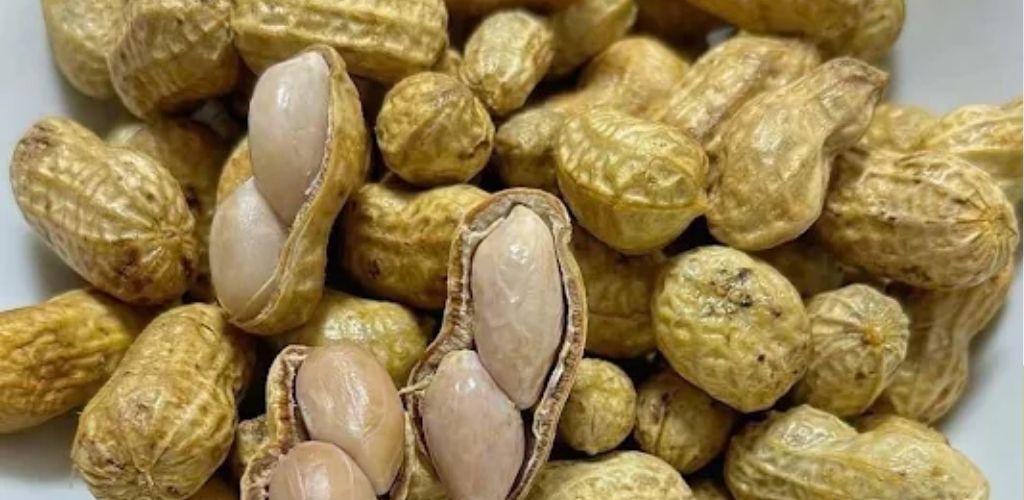
Doctors Reveal the Truth: What Happens to Your Body When You Eat Peanuts Regularly?
Peanuts are among the most popular snacks worldwide—crunchy, satisfying, and surprisingly nutritious. But what do medical professionals actually say about incorporating peanuts into your daily routine? The answer is more nuanced than a simple “good” or “bad.” While they are packed with vital nutrients, the way you consume them and your individual health profile make all the difference.
Let’s explore the biological impact of regular peanut consumption, who should exercise caution, and the gold standard for enjoying them. Despite their reputation as a “fatty” snack, peanuts are rich in heart-healthy monounsaturated and polyunsaturated fats. Scientific consensus suggests that consistent intake can lead to lower LDL (bad) cholesterol and reduced triglycerides, significantly cutting the risk of cardiovascular disease.
Nutritional Profile: Small Nut, Big Impact
A single ounce of peanuts (about 28 grams) is a nutritional powerhouse. For roughly 160 calories, you receive a dense dose of plant-based protein, healthy fats, and essential minerals. Doctors often highlight their high Niacin (Vitamin B3) content, which is crucial for energy metabolism and cognitive health, as well as Magnesium, which supports muscle function and blood pressure regulation.
Key Nutrients in a 1-Ounce Serving
| Nutrient | Amount | % Daily Value | Health Benefit |
| Protein | 7 g | 14% | Muscle maintenance & satiety |
| Fiber | 2.4 g | 10% | Digestion & blood sugar control |
| Niacin (B3) | 4.2 mg | 26% | Brain health & energy |
| Vitamin E | 2.4 mg | 16% | Antioxidant & skin health |
| Magnesium | 49 mg | 12% | Muscle function & blood pressure |
Stabilizing Blood Sugar and Managing Weight
One of the most impressive benefits of peanuts is their low glycemic index. Because they are rich in protein, fat, and fiber, they slow down the absorption of carbohydrates. For individuals with type 2 diabetes or prediabetes, peanuts can be a strategic snack to prevent blood sugar spikes and improve insulin sensitivity. By providing a steady release of energy, they help avoid the “crash” associated with high-carb snacks.
Paradoxically, even though peanuts are calorie-dense, research consistently links nut consumption with healthier body weights. The combination of protein and fiber increases feelings of fullness (satiety), meaning you are less likely to overeat later in the day. Furthermore, some studies suggest that the physical structure of nuts means not all their calories are fully absorbed during digestion, making them a “weight-loss friendly” fat source when swapped for processed snacks.
Brain Power and Gallbladder Protection
Peanuts are a rich source of resveratrol—the same bioactive compound found in red wine—and Niacin. These compounds are linked to improved cognitive function and a decreased risk of age-related cognitive decline. Keeping your brain sharp might be as simple as a daily handful of nuts. Additionally, a long-term Harvard study found that frequent peanut eaters had a 25% lower risk of developing gallbladder disease, likely due to the effect of healthy fats on cholesterol-based gallstones.
However, doctors urge caution regarding portion sizes and additives. Many commercial peanut products are loaded with excessive salt, sugar, and hydrogenated oils. To reap the maximum medical benefits, experts recommend choosing raw or dry-roasted varieties without added sodium. A standard portion is about one small handful (approx. 28-30 grams)—eating the entire jar in one sitting can quickly negate the health benefits due to excessive caloric intake.
Important Medical Considerations and Risks
While peanuts are a superfood for many, they pose serious risks for others. Peanut allergies are among the most dangerous food sensitivities, capable of causing life-threatening anaphylaxis even from trace amounts. If you have a known allergy, strict avoidance is the only path. Another concern is Aflatoxin—a toxic compound produced by certain molds. To minimize risk, always buy from reputable brands, store your nuts in a cool, dry place, and discard any that look discolored or moldy.
Choosing the Best Type of Peanut
| Type | Pros | Cons | Verdict |
| Raw | All nutrients intact; no added oils. | Milder flavor; higher Aflatoxin risk. | Excellent choice. |
| Dry Roasted | Enhanced flavor; lower mold risk. | Often has added salt. | Best for flavor. |
| Oil Roasted | Very tasty. | Adds unnecessary calories. | Use in moderation. |
| Honey Roasted | Sweet treat. | High in processed sugar. | Avoid for health goals. |
The Bottom Line: A Handful a Day
Medical research reveals that regular peanut consumption can support heart health, stabilize blood sugar, assist in weight management, and boost brain function. They are a cost-effective way to add high-quality nutrition to your diet. As long as you aren’t allergic, choosing natural, unsalted peanuts and watching your portions can be one of the simplest and most delicious things you do for your long-term health.
Did you find these medical insights about peanuts helpful? Join our community! If you want regular science-backed health tips, easy nutritious recipes, and advice on living a balanced lifestyle, be sure to subscribe to our page. Give us a “Like” if you’re a fan of peanuts, and share this post with your friends and family—let’s spread the word about healthy snacking! What’s your favorite way to eat peanuts? Tell us in the comments!