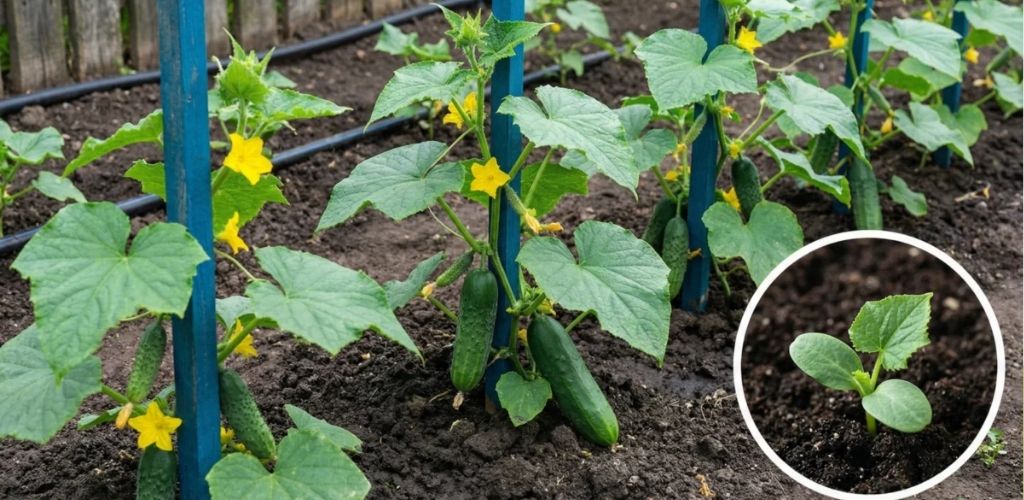
The Secret Ingredient for Giant Cucumbers: Why Your Planting Hole Needs This Natural Boost
Many gardeners struggle with low yields, even though growing cucumbers seems straightforward at first glance. However, there is a forgotten traditional trick that can transform even depleted soil into a fertile paradise. To ensure your plants have everything they need for a massive harvest, you only need to add one common “weed” into the planting hole. This simple addition acts as a biological engine, driving growth from the very first day.
Several factors usually contribute to a poor cucumber crop. Often, the issue is nutrient-deficient soil that lacks essential minerals and trace elements. Incorrect watering or using harsh synthetic fertilizers can worsen the situation by destroying the natural soil microflora that roots need to thrive. When a cucumber plant lacks strength, it focuses on survival rather than fruit production, leading to yellowing leaves and stunted growth.
Nettles: The Natural Super-Fertilizer Hidden in Your Garden
The solution to these common gardening problems is surprisingly simple and almost free. We want to share a popular planting technique that creates a “nutritional cushion” directly beneath the root system. This prepared spot functions as an energy reservoir for many weeks. The star of this method is the common Stinging Nettle (Urtica dioica), a plant literally packed with the nitrogen and minerals that young cucumbers desperately need.
At the bottom of your prepared planting hole, place a handful of fresh, young nettle leaves. If you don’t have nettles nearby, don’t despair—fresh clover or dandelion leaves serve as excellent alternatives. These herbs contain high concentrations of bioactive substances. As they decompose underground, they release not only nitrogen but also vital trace elements into the root zone, creating a perfect environment for rapid development.
How to Prepare the Ultimate Planting Hole
To get the best results, it is important to process the green biomass correctly. After gathering your nettles or herbs, crush or chop them thoroughly. The better the leaves are shredded, the faster they will undergo biological decomposition in the soil. You can chop them into small pieces or even use a spade to mince them directly in the hole. This finer structure ensures an almost immediate release of nutrients.
Once you have placed the crushed green layer at the bottom, mix it slightly with a bit of the surrounding soil. Then, pour a generous amount of settled, lukewarm water over the base. This moisture triggers the fermentation process, which generates a gentle heat. This “bottom heating” is something thermophilic plants like cucumbers absolutely love, especially during the cooler nights of early summer.
Benefits of Organic Green Manure in the Planting Hole:
| Feature | Impact on Cucumbers | Why it Works |
| Nitrogen Boost | Explosive leaf & stem growth | Nettles are natural nitrogen accumulators |
| Thermal Reaction | Warm roots in cool weather | Fermentation creates natural underground heat |
| Trace Elements | Better resistance to mold | Release of silica, iron, and magnesium |
| CO2 Release | Enhanced photosynthesis | Byproduct of decomposition fuels the plant |
Layering for Maximum Root Safety
After preparing the wet green base, cover the nettles with approximately 10 centimeters of high-quality compost. The compost acts as a critical barrier, preventing the tender young roots from coming into direct contact with the fermenting biomass. This step prevents “root burn” if the decomposition process becomes too intense. Simultaneously, it creates a perfect nutrient gradient where the roots grow deeper as they seek more energy.
Now you can safely place your cucumber seedling into this prepared bed. Be extremely careful not to disturb the root ball, as cucumbers are sensitive to transplant shock. Gently fill the remaining space with soil and press down lightly to remove air pockets. Good contact between the roots and the earth is key for fast establishment. Finally, cover the surface with clean straw to maintain moisture and prevent the soil from overheating during July.
The Magic of “Underground Heating”
The decomposing nettles provide a benefit that store-bought fertilizers cannot: heat. As the green matter breaks down, it raises the soil temperature by a few degrees. Because cucumbers originated in tropical climates, this extra warmth helps them grow significantly faster than plants in untreated soil. This head start often means you’ll be harvesting your first cucumbers while your neighbors’ plants are still just starting to flower.
Furthermore, as the organic matter decays, it releases carbon dioxide (CO2). Since the plant’s leaves are low to the ground, they can absorb this gas, which acts as a fuel for photosynthesis. The entire process is interconnected and highly efficient, mimicking the natural cycles found in the richest forest soils. It’s a sustainable way to garden that respects the earth while filling your kitchen with produce.
Post-Planting Care and Harvest Success
Remember that even the best fertilization technique cannot replace proper watering. Always water your cucumbers at the base, and never use ice-cold water directly from a deep well, as this can shock the plant. Use sun-warmed, settled water instead. Thanks to the silica and nutrients provided by the nettles, your plants will be more resilient against common diseases like powdery mildew, as their cellular structure will be much stronger.
Properly preparing your planting hole is the foundation of every successful garden. By placing nettles or clover beneath the roots, you are giving your cucumbers a professional-grade start. Try this “green cushion” method this season, and you will see that growing cucumbers can be your greatest gardening joy and pride. Happy planting!
Did you find this organic gardening hack useful? We are dedicated to helping you grow the most productive and healthy garden possible! If you want to see more secret tips and traditional DIY gardening guides, make sure to subscribe to our page, give this post a like, and share it with your fellow green thumbs! Do you have a favorite natural fertilizer? Let us know your experiences in the comments below!