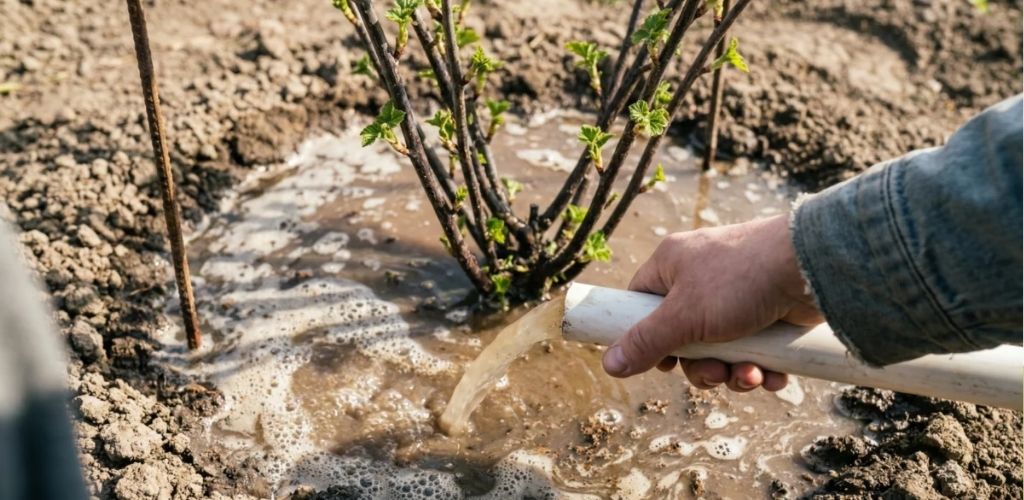
The Secret to Sweet Currants: How Professional Fertilization Transforms Your Harvest
Many gardeners believe that fruit bushes require nothing more than sunlight and occasional watering. However, the reality is that strategic fertilization during key months determines whether you will enjoy bowls of honey-sweet berries or settle for tiny, sour pucks. While a currant bush can survive in harsh conditions, its vitality quickly declines without a steady supply of minerals, leading to premature aging and a drop in crop quality.
Soil exhaustion is an invisible enemy. After years of growing in the same spot, the earth beneath your fruit bushes becomes depleted. When this happens, the plant shifts its energy from fruit production to mere survival. Sour berries are often a direct “cry for help,” signaling that the bush lacks essential micronutrients. If ignored, a bush that could live for decades may stop producing altogether after just ten years.
Why Spring is the Critical Window for Currant Care
By providing consistent nutrition, you can extend the productive life of your currants to an impressive twenty years. An investment of just ten minutes of your time returns baskets full of succulent fruit. Currants enter a phase of aggressive growth in early spring as the first buds and leaves emerge. At this precise moment, the roots are biologically programmed for maximum absorption of all available nutrients.
If you lend the plant a helping hand during this period, you jumpstart metabolic processes that influence the entire growing season. Spring fertilization is the single most important task for any serious gardener. It builds the skeletal strength of the bush and ensures the plant has the “stamina” to carry a heavy load of berries through the summer heat without dropping them prematurely.
The Power of Poultry Manure: Nature’s Most Concentrated Elixir
Poultry manure is among the most concentrated and effective natural fertilizers available to the home gardener. It contains an ideal ratio of nitrogen, potassium, and phosphorus—the “big three” that fruit bushes crave. However, this potent organic gift requires careful handling due to its high ammonia content. Raw, fresh manure applied incorrectly can literally chemically burn sensitive currant roots within hours.
To deliver these nutrients safely and effectively, you must follow specific preparation steps for a “manure infusion.” You have two choices: modern granulated poultry manure or traditional fresh manure. Both require a process of dilution to transform them from a dangerous substance into a life-giving elixir for your orchard.
Comparison of Poultry Manure Forms for Currants:
| Feature | Granulated Manure | Fresh Poultry Manure |
| Preparation Time | Ready in ~2-5 hours | Requires 7-8 weeks of fermentation |
| Odor Level | Low to None | Very High / Pungent |
| Pathogen Safety | Heat-treated & sterile | Risk of bacteria if not aged |
| Nutrient Density | Consistent & Measured | Variable based on source |
| Ease of Use | High (Best for urban gardens) | Moderate (Best for rural homesteads) |
Step-by-Step Guide: Preparing the Nutritional Infusion
For the most convenient results, use granulated manure. Add one liter of granules to a ten-liter bucket of water that has been sitting out for at least five hours to allow chlorine to evaporate. Stir the mixture and let it rest for two hours until the granules dissolve completely. This creates a dark concentrate that must be diluted further before it ever touches your plants.
If using fresh manure, fill a bucket exactly one-quarter full and top it with water. This mixture must ferment in a secluded spot for seven to eight weeks. Open the container daily to stir the contents, encouraging the fermentation process. Once the time has passed, you have a safe, potent concentrate ready for the final mixing stage.
The Golden Rule: Dilution and Wet-Soil Application
The most common mistake gardeners make is pouring concentrate directly onto the plant. To avoid killing your bush, follow the “0.5 to 10” rule: take exactly half a liter (500ml) of your prepared concentrate and stir it into a fresh ten-liter bucket of clean water. This creates the perfect concentration that provides strength without the risk of root shock.
Always apply this liquid fertilizer to pre-moistened soil. If it hasn’t rained recently, pour five liters of plain water around each bush and wait an hour before fertilizing. For a mature bush (three years or older), apply ten liters of the final diluted infusion. Moist soil acts as a carrier, ensuring the minerals are distributed evenly to every tiny root hair rather than pooling in one spot.
Timing the Second Dose for Maximum Sweetness
While the spring dose starts the growth, a second application is necessary for a record-breaking harvest. Fertilize a second time the moment the bushes have finished blooming. At this stage, the currant needs massive energy to develop the actual berries and increase their sugar content. The potassium in the poultry manure ensures that the berries grow larger and sweeter than ever before.
This two-phase cycle prevents “alternate bearing”—the frustrating phenomenon where a bush produces a huge crop one year and almost nothing the next. By maintaining consistent nutrient levels, you ensure a steady, reliable harvest every single summer. Combine this feeding with proper pruning of old, dark branches to allow light into the center of the bush, and your currants will be the envy of the neighborhood.
Did you find this guide to berry fertilization helpful? We are passionate about helping you grow the most delicious, organic fruit right in your backyard! If you want more professional gardening secrets and DIY tips, make sure to subscribe to our page, give this post a like, and share it with your fellow gardeners! Do you prefer using organic or mineral fertilizers in your garden? Let us know in the comments below!