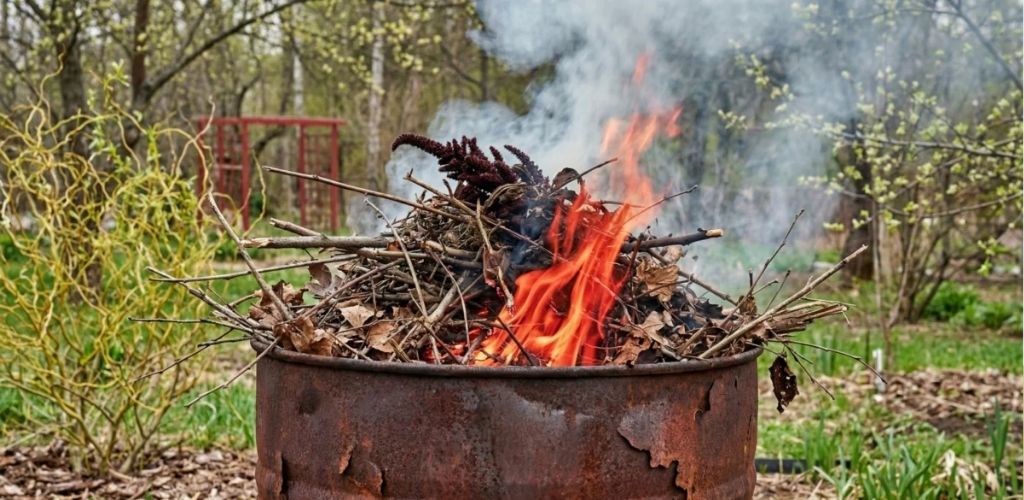
The Hidden Costs of Burning Yard Waste: Why Your Spring Cleanup Could Result in a Heavy Fine
Many property owners are unaware that the seemingly innocent act of burning leaves and grass can land them in serious legal trouble. All it takes is one disgruntled neighbor or a plume of thick smoke for a simple spring cleanup to turn into a costly lesson for your wallet. While traditional methods of disposal were common in the past, modern legislation has placed strict barriers to protect public health and air quality.
Traditional habits now clash with rigorous environmental standards. Disposing of plant debris through fire produces substances that severely degrade air quality in residential zones. Many people believe they have absolute freedom on their fenced property, but the right to clean air and the safety of neighbors takes precedence over the desire for a quick cleanup. Legislative updates have aligned local rules with international standards, clearly defining what is considered recyclable material versus a punishable offense.
Navigating the Legal Jungle of Local Ordinances
While framework laws exist at the national level, the real power lies in the General Binding Ordinances of individual municipalities. Each local government can adjust rules based on the specific needs of their territory. Some villages allow the burning of leaves and grass only on specifically designated days of the week, usually during periods outside the main growing season when smoke is less likely to disturb the surroundings.
However, most towns and cities have implemented a blanket ban on burning any green waste. This shift is linked to the mandatory availability of collection centers and bio-waste containers that municipalities must provide by law. Before lighting any fire, always verify the current regulations on your local municipal office’s website. Ignorance of local rules will not protect you from a sanction if an inspection team arrives at your gate.
Health Risks Hidden in Thick White Smoke
Burning damp grass or leaves rarely results in complete combustion due to the low temperatures at the core of the pile. This produces thick white smoke saturated with dangerous fine particulate matter. These particles penetrate deep into the lungs and can immediately trigger asthma attacks in sensitive individuals. Small children and seniors in the immediate vicinity are the most vulnerable groups in these scenarios.
Beyond dust, the smoke contains carbon monoxide and various tar compounds that irritate mucous membranes and eyes. Long-term exposure to this type of localized smog increases the risk of chronic respiratory diseases. Because the smoke from wet yard waste spreads unpredictably, it can ruin freshly washed laundry blocks away, leading to heated disputes that disrupt community peace for years.
Comparison of Disposal Methods:
| Method | Environmental Impact | Legal Status | Cost |
| Burning | High (Smoke, CO2, Particulates) | Often Illegal/Restricted | Risk of high fines |
| Composting | Positive (Creates Nutrients) | Encouraged | Free |
| Collection Centers | Neutral (Industrial Processing) | Legal/Mandatory Service | Included in local fees |
| Mulching | Positive (Soil Protection) | Recommended | Free / Shredder cost |
Financial Penalties: What You Risk Paying
If a patrol finds you illegally burning leaves and grass, an on-the-spot fine may only be the beginning. For more serious violations, administrative proceedings are initiated at the district level. Penalties for individuals can climb to several hundred euros. If the fire spreads and causes damage to someone else’s property, the amount increases by the costs of the fire brigade’s intervention.
For legal entities and entrepreneurs, the fines can be devastating, often reaching into the thousands of euros. The law shows little mercy in this regard and strictly punishes the irresponsible handling of biological material. To avoid these “toxic” costs, it is always better to utilize the brown bio-waste bins or seasonal collection schedules provided by your municipality. Often, you simply need to prepare your waste by the gate on a specific day, and the town takes care of the legal disposal for you.
Eco-Friendly Disposal: Composting and Mulching
Instead of destroying valuable nutrients with fire, you can return them to the soil through a composter. Composting is the most natural way to process plant residues, costing you nothing while creating high-quality fertilizer. Not only do grass and leaves belong in the compost, but also small branches that have been shredded. A properly maintained compost pile does not smell and takes up very little space in the corner of your garden.
Mulching is another practical help for your garden beds. Shredded grass and crushed branches are excellent mulching materials for fruit trees and bushes. Mulch maintains necessary moisture in the soil and prevents weed growth. As it gradually decomposes, it releases minerals that stimulate the growth of your crops. This completely eliminates the need for burning while making garden maintenance significantly easier and more aesthetic.
Grilling and Bonfires: What Is Still Allowed?
Many fear that new environmental laws also prohibit family cookouts. Fortunately, fires used for food preparation are generally permitted and accepted. The difference lies in the fuel used and the purpose of the fire. When grilling or roasting, use exclusively dry, clean wood that does not produce thick smoke or tar. Burning green waste under the guise of a cookout is easily recognizable by the smell and color of the smoke.
Always keep safety in mind when handling fire. An adult must supervise the flames at all times, and extinguishing tools—like a bucket of water or a garden hose—should be ready. Once finished, thoroughly douse the embers with water. Never start a fire during windy weather or long-term droughts, as sparks can travel great distances and ignite dry grass or a neighbor’s building. Respecting the air and your neighbors ensures your garden remains a place of relaxation rather than a legal battlefield.
Did you find these tips on legal yard waste disposal helpful? We are committed to helping you maintain a beautiful and law-abiding garden! If you want more eco-friendly gardening hacks and DIY tips, make sure to subscribe to our page, give this post a like, and share it with your fellow gardeners! How do you handle your green waste? Let us know in the comments below!