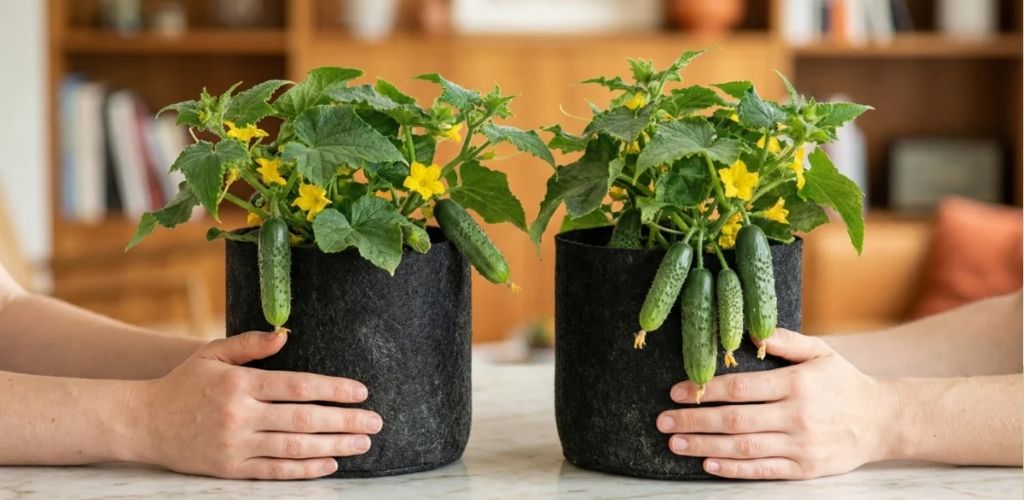
The Ultimate Guide to Growing Cucumbers: A Secret Trick for Explosive Germination
Do you dream of a garden overflowing with crisp, juicy fruit, but find your cucumber growing efforts often stalled by slow germination or weak seedlings? There is a nearly forgotten step that can breathe life into every single seed before you even finish prepping your garden beds. By understanding the biological needs of your plants and using a simple household “oxygen shower,” you can transform your harvest this season.
Many gardeners make the mistake of placing seeds into cold, wet soil too early. If the ground temperature isn’t at least 10°C (50°F), the biological processes within the seed simply won’t start. In such an environment, pathogenic fungi and bacteria take over, attacking the seed’s protective shell before the first root can sprout. The result is “blank spots” in your rows that require constant replanting, costing you expensive seeds and precious time.
Timing Your Planting for Maximum Success
Cucumbers are heat-loving plants, and you cannot cheat their climate requirements. Only sow seeds into open ground when daytime temperatures consistently stay above 15°C (59°F). Ground frosts are the greatest enemy of young shoots; to be safe, wait until the second half of May for direct outdoor sowing. The latest window for sowing is mid-June, ensuring the plants bring a full harvest before the autumn chills and fogs arrive.
If you are impatient and crave home-grown salads by early summer, consider starting transplants indoors. This method gives you a head start of approximately three to four weeks. Sow seeds in late April in individual pots—peat pots are ideal because cucumbers dislike having their roots disturbed during transplanting. By late May, once the plant has at least two true leaves and a healthy, white root system, it’s ready for its permanent spot.
Choosing the Right Variety for Disease Resistance
The market offers countless variants, but not every variety is right for your specific conditions. To ensure a productive season, look for varieties known for their high yield and resistance to common issues like powdery mildew. Choosing a variety that fits your kitchen needs—whether for fresh salads or pickling—is the first step toward gardening satisfaction.
Popular Cucumber Varieties & Their Strengths:
| Variety | Best Use | Key Feature |
| Jogger / Bohdana | General Purpose | Exceptional productivity |
| Regina / Alhambra | Salads | Sweet flavor and thin skin |
| Amelia | Multi-purpose | High stress tolerance |
| Santos / Pony | Disease Resistance | Resistant to powdery mildew |
Always check the seed packaging for specific spacing and depth requirements, as high-quality seed is the foundation of a healthy garden.
The “Oxygen Shower” Revolution: Hydrogen Peroxide Hack
Here is the most important technique that will turn your cucumber growing into a massive success: a simple bottle of hydrogen peroxide from the pharmacy. Hydrogen peroxide is essentially a reactive form of oxygen. Its effect underground is “electrifying” for the emerging life within the seed. When this solution hits the seed, it triggers a gentle chemical reaction that softens the hard outer shell, allowing the young sprout to break through with far less effort.
Preparing this mix is quick and easy. Add two tablespoons of 3% hydrogen peroxide to one liter of clean, settled water. Mix it well so the oxygen is evenly dispersed throughout the volume. Do not store this solution; use it immediately after mixing. Pour about half a cup of this mixture over every newly sown seed, aiming directly into the center of the planting depression you’ve created.
Soil Disinfection and Mold Prevention
Hydrogen peroxide serves a second, equally vital function: it instantly disinfects the area around the seed. It destroys mold spores and bacteria that cause rotting, creating a sterile environment exactly when the plant is most vulnerable. A healthy start without pathogens manifests later in the vitality of the entire bush. Plants grown with this method tend to be more resilient to sudden weather changes, developing deeper roots and sturdier stems from day one.
When sowing, remember that the ideal depth for cucumbers is approximately two centimeters (about 1 inch). Moisten the soil thoroughly before sowing so the seeds don’t sit in a dry environment. Maintain a distance of at least 20 centimeters between individual plants to ensure they have enough room to breathe and expand as they grow.
Pro-Tips for a Record-Breaking Harvest
Cucumbers love mulching, which keeps their shallow roots consistently moist. Use grass clippings or straw to maintain hydration and prevent weeds from stealing nutrients. When watering, always aim directly at the roots rather than the leaves. Wet leaves are the perfect breeding ground for downy mildew, which can destroy an entire crop in just a few days. Additionally, regular harvesting stimulates the plant to produce even more flowers and fruit.
By combining the right variety, patient timing, and the oxygen-stimulation trick, you’ll see an incredible difference. Gardeners who use this hydrogen peroxide method report harvests that are significantly larger, with fruits that have better structure and a sweeter taste without the typical bitterness. This low-cost pharmacy investment returns full baskets of premium vegetables that will be the envy of the neighborhood.
Did this oxygen hack change the way you look at gardening? We are passionate about sharing innovative DIY tips to help your garden thrive! If you want more secret gardening guides and organic growth hacks, make sure to subscribe to our page, give this post a like, and share it with your fellow green thumbs! Do you have a favorite cucumber variety? Let us know in the comments below!