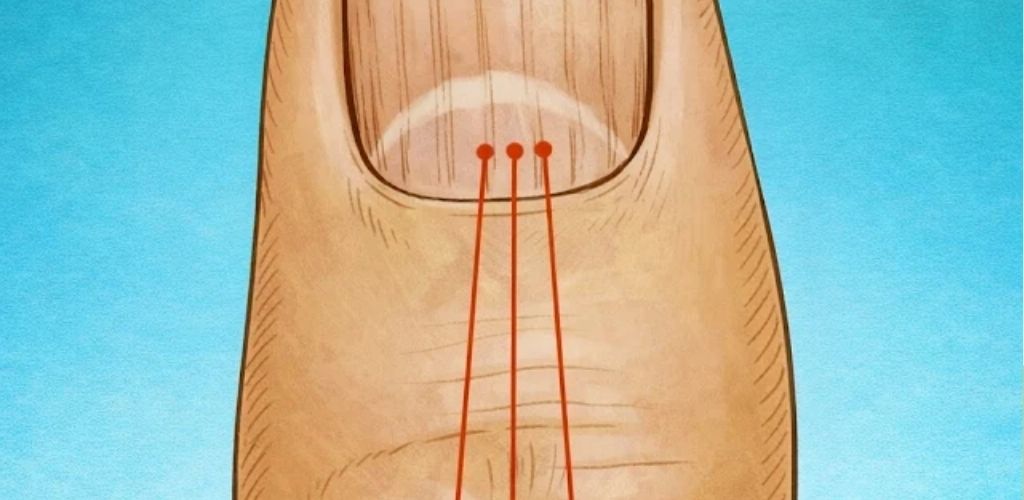
Vertical Nail Ridges: Understanding the “Wrinkles” of Your Fingernails
Noticing fine, vertical lines running from the base of your nail to the tip can be a surprising discovery. These ridges often become more pronounced as we cross the 40-year mark, leading many to wonder if they signal a health issue. In the vast majority of cases, however, these lines are a completely normal part of the human experience. Much like the fine lines that appear on our skin or changes in hair texture, vertical nail ridges are often just a physical sign of the passage of time.
Technically known as longitudinal striations, these ridges are essentially the “wrinkles” of the nail bed. Our nails are composed of keratin, a fibrous protein produced in the nail matrix hidden beneath the cuticle. As the body matures, the production of this protein can become less consistent, resulting in an uneven surface. Think of them like the rings of a tree—they tell the story of your growth and the decades your body has navigated.
Why Nails Change as We Mature
The appearance of these ridges is usually tied to a few biological shifts. First, the rate of nail growth naturally decelerates as we age. When the nail matrix produces keratin less efficiently, the resulting nail plate may emerge with a slightly “bumpy” or ridged texture. Furthermore, cell turnover—the speed at which new cells replace old ones—becomes more erratic, leading to those familiar raised lines.
Another major factor is moisture retention. Just as our skin loses its ability to hold hydration over time, our nails become drier and more brittle. This lack of internal moisture makes existing ridges appear deeper and more noticeable. Additionally, a lifetime of exposure to water, cleaning chemicals, and minor physical traumas accumulates, gradually altering the structural integrity of the nail plate.
When Are Vertical Ridges Considered Normal?
If you are concerned about your nails, look for specific patterns that indicate a natural aging process rather than a medical condition. Normal age-related ridges typically share these characteristics:
- They run lengthwise (from cuticle to tip).
- They appear gradually over several years.
- They are present on most, if not all, of your fingernails.
- They are not accompanied by pain, swelling, or redness.
- They do not involve sudden color changes like yellowing or dark spots.
Common Causes of Nail Ridges Beyond Aging:
| Potential Cause | Description | Key Indicators |
| Nutrient Deficiency | Lack of iron, protein, or B12 | Brittle nails, fatigue, or splitting |
| Dehydration | Low systemic or topical moisture | Pronounced ridges and peeling |
| Physical Trauma | Injury to the nail matrix | A ridge on only one specific nail |
| Medical Conditions | Thyroid issues or anemia | Sudden onset with other bodily symptoms |
How to Minimize the Appearance of Nail Ridges
While you cannot entirely stop the aging process, you can certainly improve the look and health of your nails. Consistency is key here. Start by moisturizing daily—using a dedicated cuticle oil or a rich hand cream can fill in the “dry” gaps and make the nail surface look significantly smoother. If you prefer a polished look, consider using a high-quality ridge-filling base coat. These products act like a primer for your nails, evening out the surface before you apply color.
For those who prefer a natural look, gentle buffing can help. However, be extremely cautious: over-buffing thins the nail plate, making it prone to cracking. Limit buffing to once a month and focus only on the highest points of the ridges. Protecting your nails from the outside is just as important as treating them from the inside. Always wear gloves when washing dishes or using harsh household cleaners to prevent chemical dehydration.
Nourishing Your Nails from the Inside Out
Since nails are a reflection of your internal health, your diet plays a vital role in their texture. Focus on a “nail-friendly” diet rich in biotin, which is found in eggs, nuts, and sweet potatoes. Ensure you are consuming enough lean protein, such as fish or legumes, as keratin is a protein-based structure. Iron-rich foods like leafy greens and beans are also essential to prevent the brittleness that often accompanies ridged nails.
Hydration is perhaps the simplest yet most overlooked remedy. Drinking plenty of water ensures that the nail matrix remains hydrated, allowing it to produce a more flexible and smoother nail. If you notice that your ridges are accompanied by extreme brittleness or horizontal lines (known as Beau’s lines), it is important to consult a professional. Horizontal ridges are often a sign that nail growth was temporarily interrupted by a more significant systemic stressor or illness.
Final Thoughts on Nail Health
In the grand scheme of things, vertical lines on your nails are usually nothing more than a badge of a life well-lived—much like laugh lines around the eyes. They are a common occurrence for most people over 40 and rarely require medical intervention. By adopting a gentle care routine and maintaining good nutrition, you can keep your hands looking healthy and vibrant for years to come.
Your nails tell a story, and most of the time, that story is one of perfectly normal maturation. Embrace the changes, give your hands a little extra TLC, and remember that healthy nails come from a balance of internal wellness and external protection.
Did this guide help you understand your nail health better? We love sharing practical tips to help you feel confident and informed about your body! If you found this information useful, please subscribe to our page, give us a like, and share this post with your friends and family. Do you have your own tips for keeping your nails smooth? Let us know in the comments below!