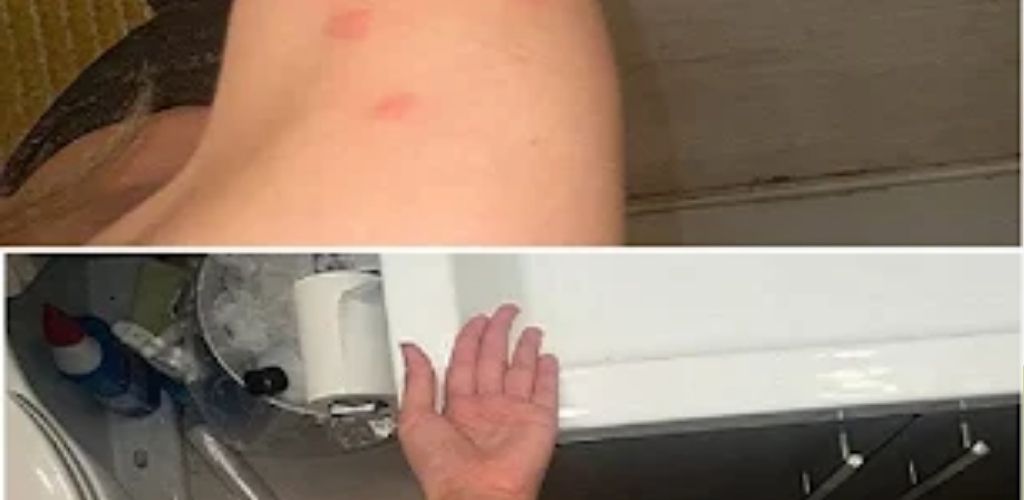
How to Identify and Treat Mysterious Bug Bites: A Comprehensive Guide
Waking up with itchy red bumps or noticing a sudden sting after being outdoors can be frustrating and concerning. Identifying the culprit is the first step toward effective treatment and preventing future encounters. Bug bites vary significantly in their appearance, location, and the symptoms they trigger. By paying close attention to specific “bite markers,” you can often narrow down whether you are dealing with a common household pest or something that requires professional medical attention.
The first step in identification is observing the physical characteristics of the bite. Look closely at the size—is it a tiny pinprick or a large, swollen welt? Note the color and whether there is a distinct puncture mark in the center. The pattern is also a major clue: some insects bite in a singular fashion, while others leave a “trail” or a cluster of marks. Additionally, monitor how the area feels; common reactions include intense itching, a burning sensation, or localized warmth and throbbing.
Common Culprits: Matching Symptoms to the Insect
Different pests leave behind unique signatures on the skin. Understanding these differences is key to choosing the right remedy and checking your environment for infestations.
- Mosquitoes: These usually appear as raised, red, and intensely itchy welts. They often occur on exposed skin like arms and ankles and appear shortly after the encounter.
- Bed Bugs: If you notice small, red bumps arranged in a straight line or a tight “zigzag” cluster, bed bugs may be the cause. These bites typically happen at night on areas in contact with bedding.
- Fleas: These bites are tiny, itchy red bumps often found around the ankles and lower legs. They frequently have a small “halo” of redness around the center.
- Spiders: Most spider bites result in a single, painful red swelling. In rare cases, a blister may form, or a dark, sunken spot might appear in the middle of the bite.
- Ticks: Ticks often remain attached to the skin. If the tick is gone, the bite may appear as a firm red bump. Watch closely for a “bullseye” pattern, which requires immediate medical evaluation.
Evaluating Your Environment for Pests
If you are unsure where the bites came from, a quick environmental scan can provide the answer. If the bites occurred while you were indoors, inspect your mattress seams, headboard, and upholstered furniture for tiny dark spots (signs of bed bugs) or check your pets for jumping insects (signs of fleas). Household spiders often hide in dark, undisturbed corners or behind curtains.
For those who have recently spent time outdoors, consider your recent locations. Tall grass and wooded areas are prime territories for ticks and chiggers, while stagnant water is a breeding ground for mosquitoes. Sandflies and certain types of ants are also common in parks and coastal areas. Identifying the source location not only helps identify the bug but also tells you which areas to treat with repellents or avoid in the future.
Quick Comparison of Bug Bite Characteristics:
| Bug Type | Common Location | Visual Pattern | Primary Sensation |
| Mosquito | Exposed skin | Random, raised welts | Intense itching |
| Bed Bug | Neck, arms, back | Linear or “breakfast-lunch-dinner” rows | Delayed itching |
| Flea | Ankles and legs | Clusters of tiny dots | Sharp, persistent itch |
| Tick | Warm folds (armpits, groin) | Single bump or bullseye | Usually painless initially |
| Ants | Feet and hands | Small blisters or red spots | Burning or stinging |
Immediate Action: Treatment and Relief
Once you’ve identified the bite, your priority should be preventing infection and soothing discomfort. Start by cleaning the affected area with mild soap and cool water to remove any lingering bacteria or venom. To manage the itch, apply a topical hydrocortisone cream or an calamine lotion. If the swelling is significant, an oral antihistamine or a simple cold pack applied for 10 minutes can provide substantial relief.
Avoid the urge to scratch at all costs. Breaking the skin creates an entry point for bacteria, which can lead to secondary infections like cellulitis. If you must cover the area to prevent scratching, use a loose bandage. For bites that feel particularly warm or painful, keeping the limb elevated can help reduce the localized pressure and throbbing.
When to Seek Urgent Medical Attention
While most bug bites are minor annoyances that heal within a few days, some reactions can be life-threatening. You should seek emergency medical care immediately if you experience difficulty breathing, swelling of the throat or tongue, or a rapid heartbeat. These are signs of a severe allergic reaction (anaphylaxis).
Additionally, schedule a doctor’s visit if you notice signs of a spreading infection, such as red streaks radiating from the bite, pus, or a fever accompanied by chills. A “bullseye” rash or persistent joint pain after a suspected tick bite also necessitates professional testing. When in doubt, it is always safer to have a medical professional evaluate an unexplained or worsening skin reaction.
Did this guide help you identify your mystery bite? We aim to provide clear, actionable health advice to keep you and your family safe! If you found this information helpful, please subscribe to our page for more wellness tips, give us a like, and share this post with your friends. Have you discovered a great remedy for itchy bites? Let us know in the comments below!