Blood Pressure by Age: What You Need to Know for a Healthy Heart
Blood pressure is much more than just a set of numbers your doctor records during an annual check-up—it is a vital window into your cardiovascular health. As we journey through different stages of life, these figures become increasingly significant. Understanding how blood pressure naturally shifts over time and knowing what is considered “healthy” for your specific age group can empower you to take proactive steps against serious conditions like heart disease, stroke, and kidney failure.
In essence, blood pressure represents the force of your blood pushing against the walls of your arteries as your heart pumps it throughout your body. While the “gold standard” is often cited as 120/80 mm Hg, the reality is that “normal” can fluctuate based on your age, medical history, and lifestyle factors. Staying informed about these nuances is the first step toward long-term wellness.
Decoding the Numbers: Systolic vs. Diastolic
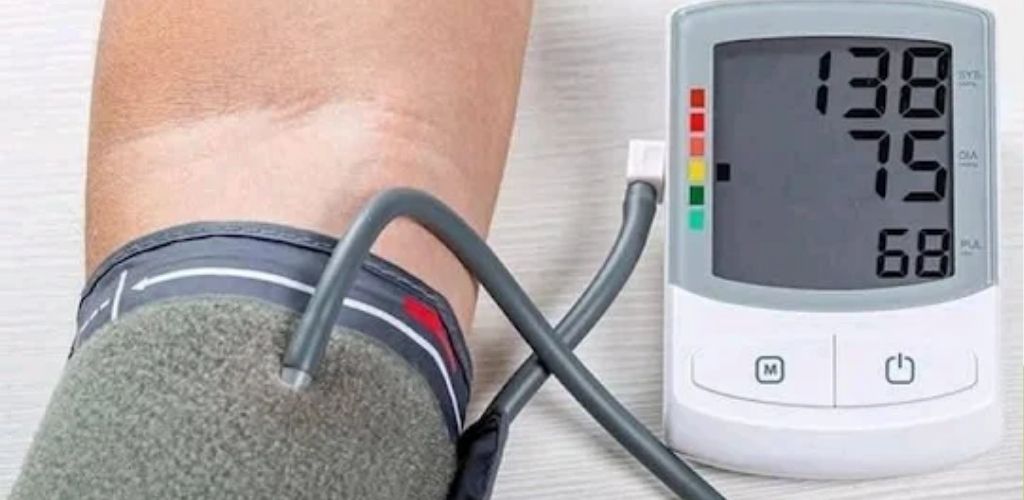
To manage your health, you first need to understand what the two numbers on the monitor actually represent. The top number, or Systolic pressure, measures the force in your arteries when your heart beats. The bottom number, or Diastolic pressure, measures the force when your heart rests between beats. Both are essential indicators of how hard your heart is working and the condition of your blood vessels.
| Measurement | What it Monitors | Ideal Range |
| Systolic (Top) | Pressure during a heartbeat | Below 120 |
| Diastolic (Bottom) | Pressure during heart rest | Below 80 |
Example: A reading of 120/80 means your systolic pressure is 120 and your diastolic is 80.
Blood Pressure Guidelines Across Different Age Groups
As we age, our blood vessels naturally lose some of their elasticity, which can lead to a gradual increase in pressure. In children and adolescents (ages 3–18), “normal” isn’t a fixed number; instead, doctors use percentile charts based on height and sex. However, once we reach adulthood, the guidelines become more standardized. For young adults (19–40), the goal is strictly to stay below 120/80.
As we move into middle age (41–60) and senior years (61+), the systolic number often rises due to arterial stiffness. While a slightly higher reading might be common in seniors, the modern medical consensus still encourages keeping levels as close to the optimal range as possible.
| Age Group | Typical Normal Range (Systolic / Diastolic) |
| Children (6-12 years) | 95-115 / 60-75 |
| Teens (13-18 years) | 100-120 / 65-80 |
| Adults (19-60 years) | Below 120 / Below 80 |
| Seniors (61-80 years) | 120-140 / 70-80 |
The Universal Categories of Hypertension
The American Heart Association provides a universal framework to help adults identify where they stand. It is crucial to recognize that “Elevated” blood pressure is a warning sign to make lifestyle changes before it progresses to “Hypertension Stage 1.” If your numbers ever reach 180/120 or higher, you are in a Hypertensive Crisis and should seek emergency medical care immediately, especially if accompanied by chest pain or severe headaches.
Understanding these categories helps you realize that high blood pressure is often a “silent killer.” Many people experience no symptoms until a major health event occurs. Regular screening is the only way to ensure your numbers are not creeping into the danger zone.
Practical Habits to Maintain Healthy Blood Pressure
Maintaining a healthy heart is a lifelong commitment involving several key lifestyle adjustments. Reducing your sodium intake to less than 2,300 mg per day and increasing potassium through foods like spinach and bananas can yield significant results. Furthermore, the DASH diet—rich in whole grains and lean proteins—is globally recognized as one of the most effective ways to lower blood pressure naturally.
Beyond diet, physical activity is paramount. Aim for at least 150 minutes of moderate exercise each week to keep your heart muscle strong. Managing stress, limiting alcohol, and avoiding tobacco are equally vital. By monitoring your pressure at home, you can track patterns and provide your doctor with accurate data to tailor your health plan.
Final Thoughts: Is “Normal” Good Enough?
The bottom line is that while blood pressure naturally changes with age, “normal for your age” does not always mean “optimal for your health.” The lower your blood pressure remains (within a healthy range), the better protected your organs are over the long term. If you are over 60, don’t simply accept a higher reading—ask your physician if your current numbers are truly healthy for your specific condition.
Taking control of your heart health today through regular monitoring and mindful living is the best investment you can make for a long and vibrant life.
Did you find this guide to blood pressure helpful? We want to help you stay informed about your health and well-being! If you enjoyed these insights, please subscribe to our page for more health tips, give us a “Like,” and share this post with your friends and family on social media. Have you noticed your blood pressure changing as you get older? Let us know your thoughts in the comments—we’d love to hear from you!