The Golden Rules of Ornamental Grass Care: Avoid These Fatal Spring Mistakes
Many garden owners cannot wait for the first warm rays of sunshine to start their post-winter cleanup, but this is exactly where an invisible risk lurks. Caring for ornamental grasses may seem simple at first glance, but a single thoughtless snip of the shears can cause your favorite clump to perish permanently. Understanding the specific biorhythms of your plants determines exactly when you should pick up your tools. Acting too early on heat-loving species can stunt their growth, leaving the plant looking sickly and weak for the entire season.
The biggest tragedy for beginner gardeners involves Sedges (Carex). These plants are not like typical grasses that should be cut back to the ground every year. A deep, radical cut to sedges causes such severe shock that the plant may take months to recover—if it survives at all—often losing its beautiful, natural mounded shape. Instead of a lush tuft, you will be left with an unsightly stubble in your flowerbed.
Mastering the Art of the “Comb-Through” for Evergreens
Evergreen species require a gentle technique that is more akin to grooming than pruning. Instead of reaching for the heavy-duty blades, simply wear a pair of protective gloves and run your hands through the clump. Gently pull out the dry, loose blades that have detached over the winter. This keeps the plant compact, vital, and aesthetically pleasing without the trauma of a radical haircut.
For deciduous grasses, however, timing is everything. The ideal window for pruning usually falls in late February or early March, just before the new green shoots begin to emerge from the center. If you wait too long and accidentally clip the tips of the new growth, those leaves will remain damaged and brown-tipped for the rest of the year, ruining the plant’s appearance.
Essential Tools for a Clean and Healthy Cut
Never use old, blunt scissors that crush the stems rather than slicing them. A clean cut is vital for quick healing and minimizing the risk of infection entering the plant’s tissues. Having the right tool for the job makes the work easier and safer for the plant.
| Grass Type | Recommended Tool | Why It Works |
| Tall Species (Miscanthus) | Hedging Shears | Allows for a quick, even cut through thick clumps |
| Fine Grasses (Festuca) | Pruning Shears | Offers precision for delicate stems |
| Dense Tufts | Sharp Sickle | Efficient for clearing large areas quickly |
Remember to disinfect your tools between different beds to avoid spreading potential diseases across your garden.
Pro Techniques for High Solitary Grasses
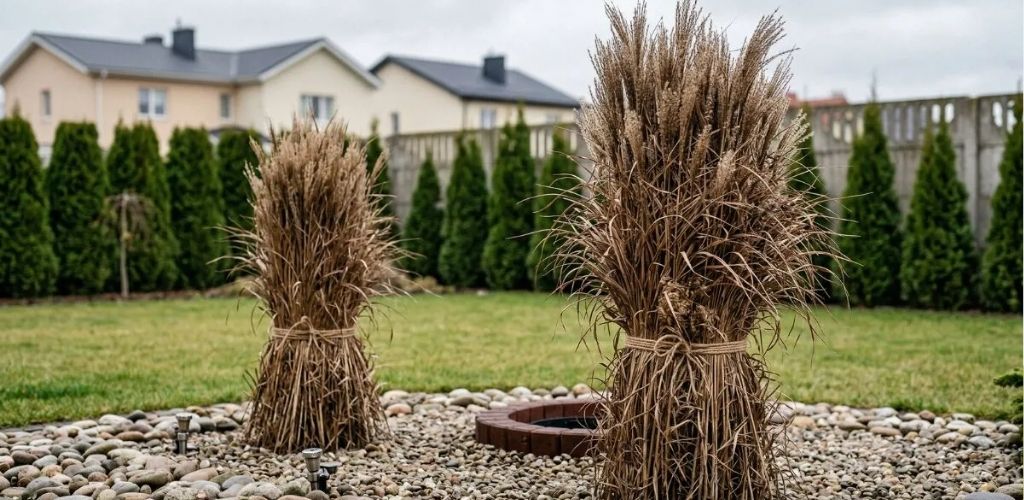
When dealing with massive clumps, you can make your job much easier by tying the entire tuft into a single bundle with strong twine before you start. This simple trick prevents dry stalks from flying all over the garden once they are cut. Aim your cut approximately 10 to 15 centimeters above the soil level. Never cut directly into the root crown, as this can permanently destroy the plant’s growth points.
Once the cut is complete, inspect the center of the clump for accumulated debris or rotting leaves. Improving airflow in this area is absolutely essential for a healthy start to the new season. If the grass has already started to sprout due to a warm spell, abandon the radical cut. Instead, carefully snip out only the old, brown parts around the new green leaves to protect the plant’s aesthetic value.
Post-Pruning Hygiene and Soil Nutrition
All trimmed material should be removed from the bed immediately, as dry stalks often house overwintering pest eggs and mold spores. Leaving them on-site creates a perfect incubator for future problems. Once the area is clear, gently loosen the soil around the clump with a hand rake, taking care not to disturb shallow roots. This boost of oxygen encourages faster growth and better nutrient absorption.
Spring is also the perfect time to replenish the soil with high-quality compost or a slow-release nitrogen fertilizer. This provides the energy needed for lush green foliage. However, avoid over-fertilizing, which can result in brittle stems that collapse later in the summer. Finally, consider using a mineral mulch like gravel or crushed stone around the base; unlike organic bark, it won’t hold excess moisture against the plant’s crown, preventing rot.
Revitalizing Your Garden Through Division
If you notice your older grass clumps are dying out in the center or losing their shape, spring is the absolute best time for division. This process rejuvenates the plant and provides you with new planting material for free. Carefully dig up the entire clump and divide it into smaller sections, ensuring each piece has a well-developed root system and healthy growth buds.
By following these professional steps—from choosing the right timing to maintaining strict garden hygiene—you can save money on replacement plants and ensure your ornamental grasses remain a majestic highlight of your landscape. Patience and observation are your best tools for a vibrant, healthy garden.
Did these gardening tips help you prepare for your spring cleanup? We want to help you grow the most beautiful landscape in the neighborhood! If you found this guide helpful, please subscribe to our page for more garden hacks, give us a “Like,” and share this post with your fellow green thumbs on social media. Do you have a favorite type of ornamental grass? Let us know in the comments—we’d love to hear your garden success stories!