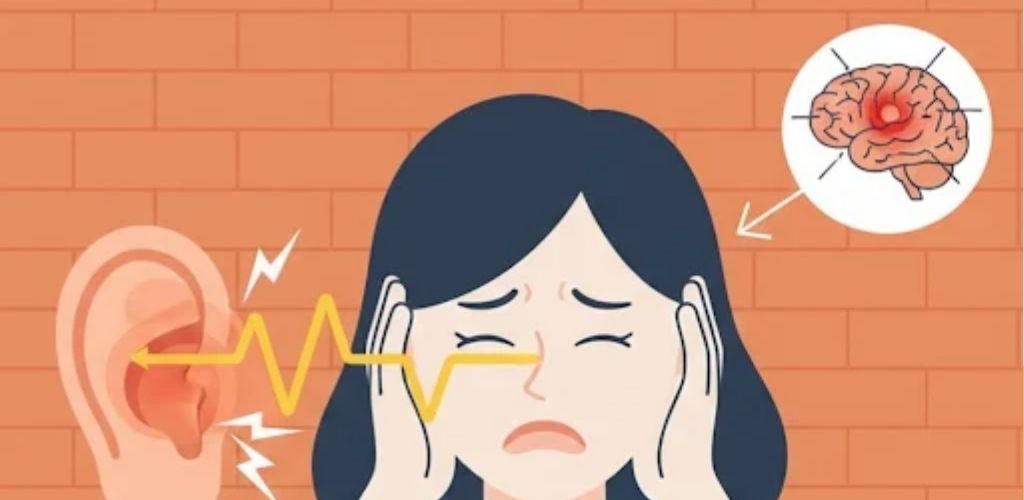
The Sound of Silence: Understanding Tinnitus and How to Manage Ear Ringing
That persistent buzzing, humming, chirping, or ringing in your ears—clinically known as tinnitus—can range from a minor annoyance to a condition that severely impacts your daily life. If you are experiencing this, know that you aren’t imagining it, and you certainly aren’t alone. Statistics show that over 50 million Americans deal with tinnitus, with approximately 20 million suffering from chronic cases that disrupt their sleep, work, and mental well-being.
While tinnitus is incredibly common, it is not always a harmless quirk of aging. In many instances, these internal sounds serve as a vital warning signal from your body, indicating an underlying issue that requires professional attention. In this essential guide, we will break down what your ears are trying to tell you, the science behind the sound, and when it is time to stop waiting and start seeking medical advice.
What is Tinnitus? Understanding the Phantom Sound
First and foremost, it is important to understand that tinnitus is not a disease in itself; rather, it is a symptom of an underlying condition affecting your auditory system or brain. Essentially, it is the perception of sound when no external noise is present. People describe the experience in various ways, and the sound can be constant or intermittent. Common descriptions include:
- High-pitched ringing or whistling
- Persistent buzzing or humming
- Hissing or “static” noise
- Rhythmic clicking or pulsing
- Roaring sounds similar to seashells
There are two primary classifications of this condition. Subjective tinnitus accounts for 99% of cases and is heard only by the individual, usually triggered by hearing loss or noise exposure. Objective tinnitus is extremely rare and can actually be heard by a doctor during an examination, often caused by blood vessel issues or muscle contractions. While earwax buildup is a frequent culprit for temporary spikes, it is rarely the sole cause of chronic tinnitus.
5 Common (and Treatable) Causes of Tinnitus
Identifying the source of the ringing is the first step toward finding relief. While some causes are permanent, others can be resolved with simple medical interventions. The complexity of the auditory nerve means that even small changes in your health can manifest as ear noise. Below are the most frequent triggers:
| Cause | Description | Potential Treatment |
| Noise Exposure | Damage to the tiny hair cells in the inner ear from loud concerts or machinery. | Hearing protection and sound therapy. |
| Ear Canal Blockage | Excessive earwax or fluid buildup that creates pressure. | Professional ear cleaning or drops. |
| Medication Side Effects | Certain antibiotics, aspirin, or diuretics can be ototoxic. | Adjusting dosage or switching prescriptions. |
| Jaw & Neck Issues | TMJ disorders or muscle tension can affect ear nerves. | Physical therapy or dental intervention. |
| Age-Related Loss | Natural decline in hearing sensitivity as we get older. | Hearing aids with masking features. |
Red Flags: When Ear Ringing Requires Urgent Care
For most, tinnitus is a chronic companion that requires management rather than an emergency room visit. However, there are specific “red flags” that indicate your ears are signaling a more serious medical emergency. If your tinnitus is accompanied by sudden hearing loss, severe dizziness (vertigo), or if the ringing is only in one ear, you should consult an audiologist or ENT specialist immediately.
Additionally, pay attention to Pulsatile Tinnitus, where the ringing follows the rhythm of your heartbeat. This specific type can sometimes be a sign of high blood pressure or vascular issues that need to be monitored. Recognizing these warning signs early can prevent long-term damage and ensure you receive the correct diagnostic tests, such as an audiogram or imaging.
Proven Strategies for Tinnitus Relief and Management
While there is no “magic pill” to cure every case of tinnitus, science-backed strategies can significantly reduce the burden of the sound. Sound therapy is one of the most effective tools; using white noise machines or fans can help the brain “tune out” the internal ringing. Many people also find success with Tinnitus Retraining Therapy (TRT), which helps the brain reclassify the noise as a neutral background sound.
Managing stress is equally vital, as anxiety and high cortisol levels are known to amplify the perceived volume of tinnitus. Reducing caffeine and nicotine intake can also improve blood flow to the inner ear, potentially lowering the intensity of the buzzing. By combining lifestyle adjustments with professional audiological support, most people find they can return to a life where the ringing no longer takes center stage.
Listening to What Your Ears Have to Say
Ultimately, your ears are trying to communicate with you. Whether it’s a sign that you’ve been working too hard in a loud environment or an indicator of a health change, listening to that signal is the first step to recovery. With the right information and a proactive approach, you can take control of your auditory health and find the quiet you’ve been looking for.
Did you find this guide to understanding tinnitus helpful? If you want to receive more health tips, expert wellness advice, and the latest medical insights, be sure to subscribe to our page! Please give this post a “Like” if it helped you understand your symptoms better. Share this article with your friends and family—you never know who might be suffering in silence and needs these relief strategies. Have you found a specific way to manage your ear ringing? Tell us about your experience in the comments below; we would love to hear your story!