7 Effective Exercises for Plantar Fasciitis: Relief for Chronic Heel Pain
That sharp, stabbing sensation in your heel during your first steps in the morning can be more than just a nuisance; it’s often a sign of plantar fasciitis. This condition is one of the leading causes of chronic foot pain, affecting millions of active adults and professionals who spend long hours on their feet. The good news is that you don’t always need expensive medical interventions to find relief.
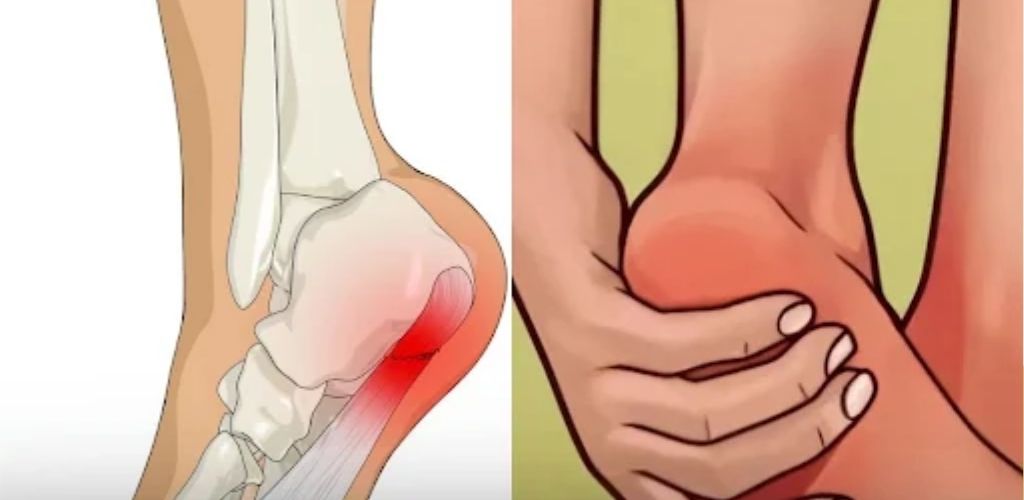
The plantar fascia is a thick band of connective tissue that spans the bottom of your foot, linking your heel bone to your toes. It acts as a natural shock absorber, supporting the arch of your foot. When this tissue becomes strained or inflamed—due to improper footwear, tight calves, or sudden increases in activity—the result is debilitating heel pain. However, with consistent, targeted movement, you can heal this tissue naturally.
Understanding the Root of Heel Pain
Before diving into the movements, it is essential to recognize why these exercises work. Most heel pain originates from tension in the surrounding muscle groups, particularly the calves. When your calf muscles are tight, they pull on the Achilles tendon, which in turn increases the tension on the plantar fascia. By lengthening these muscles and strengthening the small “intrinsic” muscles of the foot, you reduce the mechanical stress on the inflamed area.
To ensure a safe recovery, remember these foundational tips:
- Consistency is Key: Perform these movements daily for the best results.
- Warm Up First: A gentle walk or a warm foot bath can prepare the tissue for stretching.
- Listen to Your Body: Mild discomfort is normal, but sharp pain is a signal to stop immediately.
- Balance Your Training: Always stretch both feet, even if only one side is currently hurting.
Essential Stretches for Immediate Relief
One of the most effective ways to combat “morning pain” is to stretch before you even get out of bed. The Plantar Fascia Toe Pull (Exercise 2) targets the arch directly. While sitting, cross your foot over the opposite knee and gently pull your toes back toward your shin until you feel a deep stretch in the arch. Hold this for 20 seconds to “wake up” the tissue before it bears the weight of your body.
Another critical movement is the Wall Calf Stretch (Exercise 1). Stand facing a wall with one foot back and the heel flat on the floor. Lean forward, keeping the back leg straight, until you feel the pull in your calf. Since tight calves are a primary contributor to foot tension, performing this stretch several times a day can significantly accelerate your recovery time and prevent future flare-ups.
Strengthening and Massaging the Foot
Recovery isn’t just about stretching; it’s about building a foundation of strength. Towel Curls (Exercise 4) are a fantastic way to engage the muscles that support your arch. Simply place a towel on the floor and use only your toes to scrunch it toward you. Strengthening these muscles provides better support for the fascia, allowing it to heal without being constantly overstretched during daily activities.
For those looking to combine pain relief with massage, the Rolling Stretch (Exercise 3) is a must. Use a tennis ball or a frozen water bottle and roll the arch of your foot over it for 2-3 minutes. Using a frozen bottle provides the added benefit of cold therapy, which helps reduce inflammation after a long day of walking or standing. This dual-action approach is a favorite among physical therapists for managing acute pain.
Your Daily Recovery Schedule
To make progress, you need a structured plan. Use the table below as a guide to integrate these movements into your busy day.
| Time of Day | Recommended Exercise | Primary Benefit |
| Before Rising | Toe Pulls (#2) | Reduces initial morning sharp pain |
| Morning | Wall Calf Stretch (#1) | Relieves tension built up overnight |
| Midday | Towel Curls (#4) | Strengthens the arch during the day |
| Evening | Full Routine (All 7) | Deep recovery and flexibility work |
| Before Bed | Frozen Bottle Roll (#3) | Reduces inflammation and eases soreness |
Advanced Recovery and When to See a Doctor
While these exercises are highly effective, they are most successful when paired with proper lifestyle choices. Avoid wearing flat shoes or flip-flops that offer no arch support. Additionally, consider an anti-inflammatory diet rich in Omega-3 fatty acids and antioxidants to help your body repair damaged tissue from the inside out. Using night splints can also keep the foot in a neutral position, preventing the fascia from tightening while you sleep.
If your pain persists for more than three weeks despite consistent exercise, or if you notice severe swelling and redness, it is time to consult a specialist. Chronic cases might require custom orthotics or advanced physical therapy. However, for the majority of people, these seven simple exercises are the gateway to a pain-free life and a return to the activities you love.
Did you find these tips helpful for your recovery? We’d love to have you as part of our community! Please subscribe to our page for more health insights, give this post a like, and share it with friends or family who are struggling with foot pain. Let’s get moving again, pain-free!