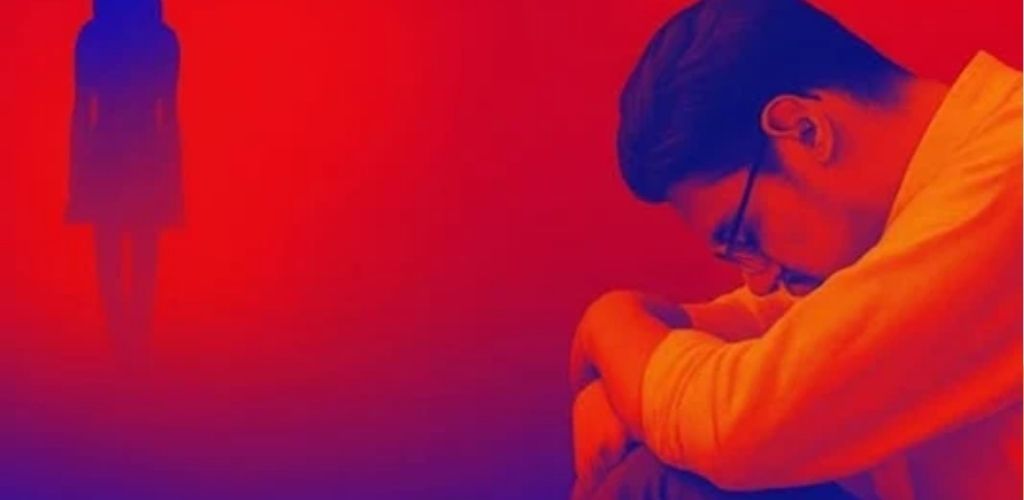
Loss leaves an undeniable void in our world. In the quiet days and weeks following the passing of someone dear, every object becomes heavy with meaning. A coffee cup left in the sink. The faint indentation of a head on a pillow. A pair of reading glasses resting on the nightstand. We cling to these items because they feel like the only tangible bridges left to a presence that has vanished.
However, grief often blinds us to a difficult truth: not everything we hold onto aids our healing. Some belongings, when gripped too tightly, act as anchors that prevent us from moving forward. This isn’t about erasing memories or “getting over it”—grief doesn’t work that way. Instead, it is about distinguishing between keepsakes that honor a legacy and objects that trap us in the peak of our pain.
1. Stopped Clocks: A Frozen Moment in Time
There is a poetic, almost cinematic quality to a clock that stops at the exact moment of a loved one’s passing. In stories, it’s a beautiful tribute to a soul’s departure. In a home, however, it serves as a constant reminder of the “before” and “after.” A stopped clock is a moment frozen in time, forcing your subconscious to revisit the trauma of loss every time you glance at the wall.
While it feels like fate, keeping a clock stilled reinforces the message that life stopped in that room. But life didn’t stop—it changed irrevocably, yet it continued. To heal, consider taking a photograph of the clock to preserve the symbolism, then have it repaired. A functioning clock represents continuity and the natural flow of time, rather than a permanent anchor to the worst second of your life.
2. The Medicine Cabinet: Confronting the Reality of Illness
Holding onto old prescriptions and medical supplies is both an emotional trap and a practical hazard. These items often keep you stuck in the role of a caregiver rather than allowing you to transition into the role of a mourner. Every time you open that cabinet, you are confronted with the reality of their pain and their final days, rather than the vibrancy of their life.
| The Risk | The Better Alternative |
| Safety Hazard: Expired meds can become toxic or be accidentally ingested. | Safe Disposal: Use pharmacy take-back programs to clear out the cabinet. |
| Emotional Trigger: Constantly seeing “illness” items prevents healing. | Select One Token: Keep one cleaned, empty bottle as a small memento. |
| Practical Burden: The task only gets harder the longer you wait. | Ask for Help: Have a trusted friend clear these items for you. |
3. Lingering Scents and Unwashed Clothes
The sense of smell is our most primal link to memory. A shirt that still carries their scent can feel like a final embrace. In the early stages of grief, this is often a vital survival tool. But scents are ephemeral; they inevitably fade. Eventually, that garment will smell like nothing—or worse, like dust and decay—forcing you to face the loss of the scent all over again.
To preserve this connection without the agony of watching it vanish, seal a small item like a scarf or handkerchief in an airtight freezer bag to lock the scent in for years. Then, wash the rest of the clothing. A clean shirt that belonged to them still belongs to them, but it will no longer haunt you with the ghost of a fading fragrance. You can wear it or fold it with love, integrating their memory into your present life.
4. The Empty Chair: Reclaiming Your Living Space
This is a subtle but powerful trigger. We often “reserve” a favorite recliner, a spot on the sofa, or one side of the bed as a shrine. No one sits there; no one moves the pillow. While intended as a sign of respect, your nervous system never stops registering that emptiness as a “missing” signal. It keeps the loss active in your brain in a way that prevents the environment from feeling like a home again.
Reclaiming the space is not a betrayal—it is an act of integration. Sit in their chair. Read there. Rearrange the furniture to change the room’s energy. By making the space inhabitable again, you aren’t erasing them; you are allowing yourself to live in a world where they are still a part of your story, but no longer a source of constant environmental distress.
The Deeper Truth of Healing
Grief is simply love that has no place to go. Objects are our way of reaching out for the form that love used to take. But some things eventually become walls instead of windows. If an item keeps you trapped in the moment of loss rather than helping you remember their life with love, it is okay to let it go. You deserve to preserve their memory in a way that allows you to breathe again.
If you found this guide helpful, please subscribe to our page for more insights on mindful living and healing. Don’t forget to like and share this post with someone who might need these words today. Your support helps us grow our community of care.