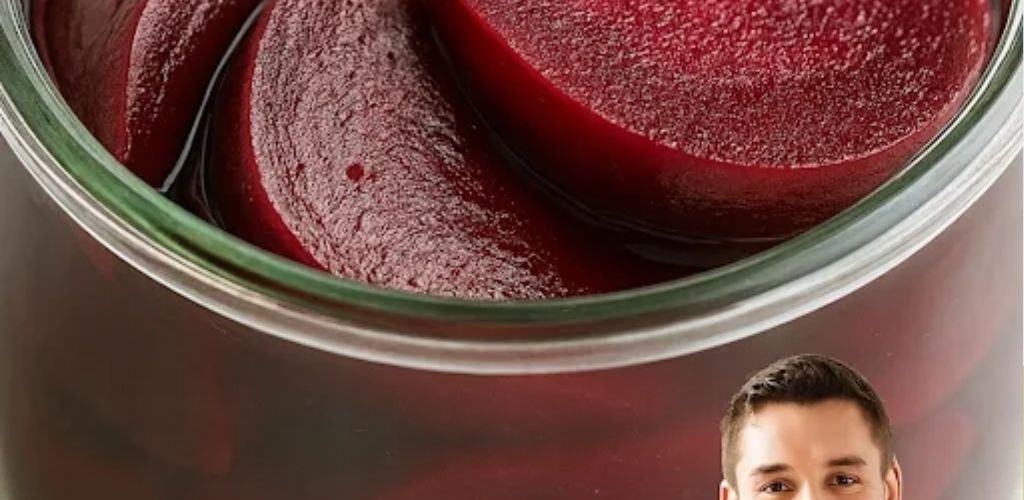
That deep ruby-red root sitting in your vegetable crisper is more than just a colorful side dish—it is a nutritional marvel. Medical researchers often refer to it as “nature’s performance enhancer” due to its profound impact on the human body. Whether you are looking to manage your blood pressure or increase oxygen flow to your brain, beetroot offers biological advantages that extend far beyond its unique, earthy flavor.
But is this vibrant vegetable the right choice for your specific diet? While the benefits are extensive, medical experts suggest that understanding the science behind the root is key to maximizing its potential. Let’s dive into what actually happens to your body when you consume beets and explore when moderation might be necessary for certain individuals.
The Science Behind the Superfood Status
What exactly makes beetroot so nutritionally potent? Its status as a superfood is primarily driven by two unique compounds that are rare in such high concentrations in other vegetables. First are Nitrates, which the body converts into nitric oxide—a molecule that relaxes blood vessels and significantly improves circulation.
The second powerhouse components are Betalains. These are the antioxidant pigments responsible for the beet’s intense red color. Unlike common antioxidants, betalains are highly effective at neutralizing inflammation and supporting the body’s natural detoxification processes, particularly in the liver.
Nutritional Profile at a Glance
Beets are incredibly nutrient-dense, providing a high volume of vitamins and minerals for very few calories. This makes them an excellent choice for weight management and overall metabolic health. Below is a breakdown of what you get in just one cup (approx. 136g) of cooked beetroot:
| Nutrient | Amount / % of Daily Value | Primary Benefit |
| Calories | 58 kcal | Low-calorie energy source |
| Fiber | 3.8 g | Supports digestive health |
| Folate (B9) | 37% of DV | Essential for cell repair and DNA |
| Manganese | 22% of DV | Bone and metabolic health |
| Potassium | Significant levels | Regulates heart rhythm and nerves |
5 Proven Benefits of Regular Beetroot Consumption
Scientific studies consistently highlight five major areas where beets can transform your health. Most notably, they act as a natural vasodilator, lowering blood pressure within hours of consumption. This effect is so consistent that beetroot juice is often used as a dietary supplement for individuals managing hypertension.
Beyond the heart, beets are a favorite among athletes. By improving the efficiency of mitochondria—the power plants of your cells—beetroot allows your muscles to use oxygen more effectively during intense exercise. Additionally, improved blood flow to the frontal lobe of the brain has been linked to better executive function and a reduction in the risk of age-related cognitive decline.
When Moderation is Key: Potential Side Effects
Despite the overwhelming benefits, there are a few things to keep in mind. Beets are high in oxalates, which can contribute to the formation of kidney stones in susceptible people. If you have a history of calcium oxalate stones, you should consult with a nutritionist before significantly increasing your intake.
Additionally, don’t be alarmed by “beeturia”—a harmless condition where your urine or stool takes on a pink or reddish tint after eating the root. While startling, it is simply the pigments passing through your system. Lastly, because beets contain natural sugars, those monitoring their glycemic index should enjoy them as part of a fiber-rich, balanced meal.
Integrating beets into your diet is a simple yet powerful way to support your cardiovascular system and boost your daily energy. Whether roasted in a salad, blended into a morning smoothie, or consumed as a concentrated juice shot, this ancient root remains one of the most effective tools in nature’s pharmacy.
Did you find these health insights helpful? If so, please subscribe to our page for more deep dives into superfoods and wellness! Make sure to “Like” this post and share it with your friends and family—let’s spread the word about healthy living together!