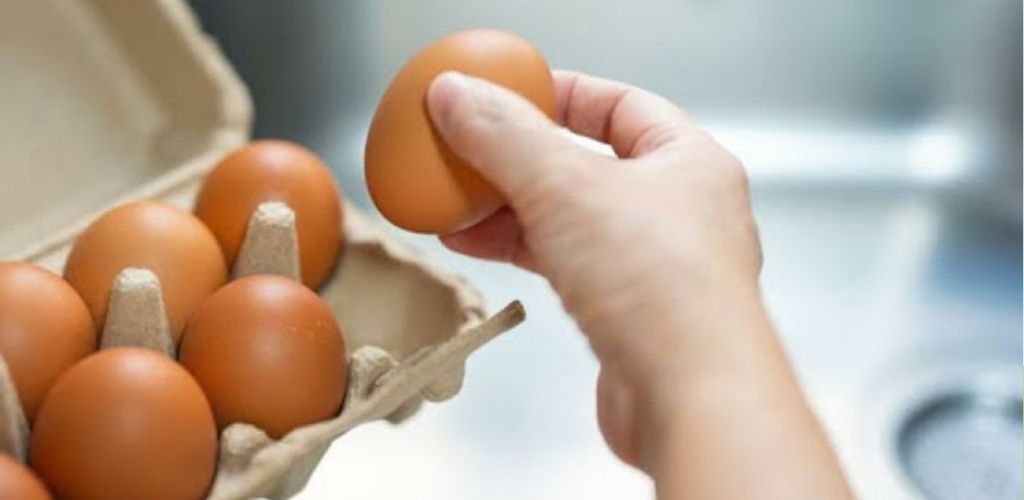
Eggs are among the most popular and versatile foods in the world, ranking just alongside staples like pasta. Whether you are whipping up a savory omelet or baking a delicate cake, they are a fundamental part of almost every kitchen. However, their widespread availability and convenience often lead to common mistakes in handling. One of the most significant errors is the habit of washing eggs before consumption—a practice that can actually increase the risk of bacterial contamination.
While it might seem intuitive to clean a product that comes from a farm, experts strongly advise against washing eggs. The primary concern is Salmonella, a bacterium that can cause severe food poisoning. While high cooking temperatures are generally effective at neutralizing this infection, the way you handle raw eggs before they reach the pan is what determines the ultimate safety of your meal.
The Science of the Eggshell Protection
To understand why water is dangerous for eggs, we must look at the “Cuticle.” This is a natural, microscopic protective coating that covers the eggshell. Because eggshells are porous—meaning they have thousands of tiny holes—this thin layer acts as a barrier, preventing dirt, moisture, and harmful germs from penetrating the yolk and the egg white.
When you wash an egg, especially with cold or running water, you strip away this protective cuticle. This process makes the shell much more vulnerable, allowing bacteria trapped on the outside to be “sucked” into the egg through the pores. Instead of cleaning the food, washing effectively creates a pathway for pathogens to enter the part you intend to eat.
Essential Safety Guidelines for Egg Handling
If you are concerned about dirt or feathers on your eggs, the best approach is to manage them during storage rather than cleaning them. Proper preparation methods, such as baking or thorough frying, remain the most reliable ways to prevent the growth of harmful germs.
| Handling Phase | Recommended Action | Why it Matters |
| Purchase | Check for cracks in the shell | Cracks bypass the natural cuticle barrier. |
| Storage | Use a sealed glass or plastic container | Prevents cross-contamination with other foods. |
| Preparation | Do not wash; cook thoroughly | Heat kills Salmonella; water spreads it. |
| Post-Handling | Wash hands with soap and warm water | Prevents the spread of bacteria to kitchen surfaces. |
Preventing Cross-Contamination in the Kitchen
Cross-contamination is a serious risk, particularly in households with children or elderly residents who are more susceptible to foodborne illnesses. Because eggs can carry bacteria on their exterior, they should be stored in a dedicated compartment. Avoid placing them directly on refrigerator shelves where they might touch produce or open containers.
Using a dedicated container made of glass or plastic is highly recommended. These materials are non-porous and easy to sanitize. Keeping eggs separate ensures that any potential pathogens remain contained and do not migrate to “ready-to-eat” foods like fruits or cheeses, which won’t be cooked before consumption.
Best Practices for Safe Egg Storage
To maintain maximum freshness and safety, always store your eggs in the coldest part of the refrigerator, rather than in the door. Temperature fluctuations in the door can cause condensation on the shell, which—much like washing—can damage the cuticle and encourage bacterial growth.
If an egg is particularly dirty and you feel you must clean it, do not use water. Instead, use a small piece of fine-grit sandpaper or a dry cloth to gently buff away the debris. This “dry cleaning” method leaves the protective layer intact while removing surface grime. However, for the majority of store-bought eggs, leaving them exactly as they are is the safest choice.
By respecting the natural defenses of the egg and following professional storage techniques, you can enjoy this nutritional powerhouse without worry. Remember: in the world of food safety, sometimes less “cleaning” results in a much cleaner and safer meal.
Did you find these kitchen safety tips useful? Subscribe to our page for more essential food hacks and healthy living advice! Please hit the “Like” button, leave a comment with your thoughts, and share this post with your friends and family to keep everyone safe and informed!