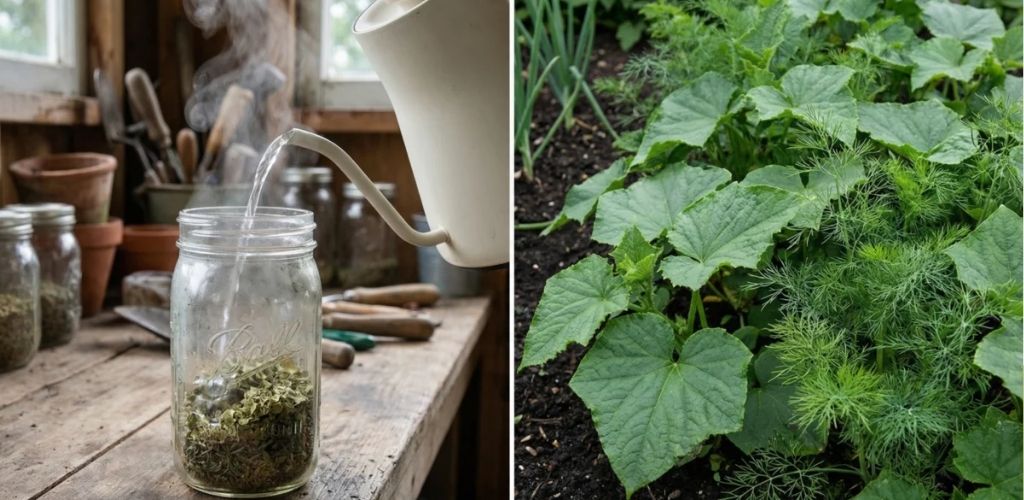
Achieving a healthy and bountiful harvest without the use of aggressive pesticides is the dream of every modern gardener. However, reality often brings unexpected obstacles. Many commonly recommended home recipes fail the moment the first mold appears or colonies of hungry aphids settle on the leaves. Yet, there is one exceptionally concentrated natural plant spray whose strength surprises even long-time experts in organic farming.
Why Synthetic Chemicals Often Fail in the Garden
Using synthetic products may yield quick results, but it comes at the cost of disrupting the natural balance in your garden. While chemistry eliminates pests, it often takes beneficial insects like bees and ladybugs with it. Over time, the soil becomes depleted, and plants become increasingly dependent on more and more sprays.
Beyond the ecological aspect, there is the issue of resistance. Pests and pathogens build immunity to specific substances over time. Eventually, you must use higher doses, which negatively affects the quality of the fruits and vegetables you consume. A natural path offers solutions that work on a completely different principle and are absolutely harmless to the environment. While many turn to yeast-based solutions, they have limits and cannot always defeat strong bacterial infections. This is why it is essential to know an alternative that combines the power of herbs with proper extraction technology.
Discover the Power of Antioxidants: Thymol and Carvacrol
This spicy herbal infusion, known among organic enthusiasts as HT tea, is not just an ordinary herbal soak. Its effectiveness is based on a high concentration of two powerful antioxidants: thymol and carvacrol. These substances are naturally found in specific spices and serve as a defensive shield for plants.
Thymol acts as a potent natural fungicide, meaning it can stop the spread of mold and dangerous fungi. Carvacrol, on the other hand, has significant bactericidal properties, eliminating germs before they can seriously damage the plant. When you combine these two components in one spray, you get an unbeatable health cocktail for your crops. These compounds are safe for humans in these concentrations but are toxic or highly repellent to small pests like mites and aphids.
How the Spicy Plant Spray Works Mechanically
The mechanism of action of this solution lies in disrupting the surface structures of pathogens and irritating the nervous system of insects. The strong aroma of thyme and oregano confuses pests, making it impossible for them to find their host plants. Additionally, the spray creates a fine film on the leaf surface that makes it difficult for mold spores to attach.
An important aspect is the stimulation of the plant’s own natural immunity. Crops regularly treated with these herbal extracts produce more of their own defensive substances. The plant becomes sturdier, has a deeper green color, and tolerates temperature fluctuations or dry periods better. Unlike pure oils, this “tea” does not clog the pores (stomata) on the leaves, allowing the plant to breathe and photosynthesize freely.
Quick Facts: Why This Spray Wins Over Chemicals:
| Feature | Spicy Herbal Spray (HT) | Synthetic Pesticides |
| Environmental Impact | 100% Eco-friendly | High (harms bees/soil) |
| Pest Resistance | Extremely low | Very high (requires higher doses) |
| Human Safety | Safe (food-grade ingredients) | Requires safety intervals |
| Cost | Very low (kitchen spices) | Expensive |
The Exact Recipe for the Strongest Homemade Spray
Preparation requires a bit more time than simply pouring water over herbs, but the resulting concentrate lasts a long time. You will need 20 grams of dried thyme and 20 grams of dried oregano. Pour 500 ml of 40% alcohol (such as vodka) and 500 ml of boiled water over these herbs.
Let the mixture infuse for exactly 24 hours in a closed container in a dark place, shaking it occasionally. Then, strain the liquid. Do not throw away the remaining herbs; pour another 500 ml of boiling water over them and let it cool under a lid. After straining again, combine both extracts into one bottle. This process ensures you extract all essential oils and water-soluble substances. Store this concentrate in a cool, dark place.
Application Rules for Maximum Effectiveness
To create the ready-to-use spray, measure 150 ml of the prepared concentrate and dilute it in two to three liters of clean water. Rainwater or settled tap water is ideal. Set your sprayer to the finest mist to achieve perfect coverage.
- Spray the underside of leaves: This is where aphids hide and mold starts.
- Cover stems and roots: Ensure the entire plant structure is treated.
- Timing: Apply in the evening or on cloudy days to avoid leaf burn from the sun.
- Frequency: Use once every 10 days for prevention. If pests are already present, spray 2-3 times per week.
Vegetables and Flowers That Benefit Most
Tomatoes and cucumbers are the biggest fans of this spicy treatment. It protects tomatoes from the dreaded late blight, which can destroy an entire harvest in days. Cucumbers profit from protection against powdery mildew. Even fruit trees like apple or plum trees respond with improved leaf vitality.
Even the ornamental part of your garden shouldn’t be left out. Roses, famous for their susceptibility to black spot, literally come to life after this spicy tea. The leaves will be shinier and more resistant to bad weather. To increase efficiency, add a few drops of organic liquid soap to the mixture. This reduces surface tension and ensures the solution forms a uniform film on smooth leaves rather than rolling off.
If you want to keep your garden healthy and chemical-free, make sure to follow our page! Give us a like if you found this recipe useful, and share this post with your fellow gardeners to spread the word about sustainable organic farming.