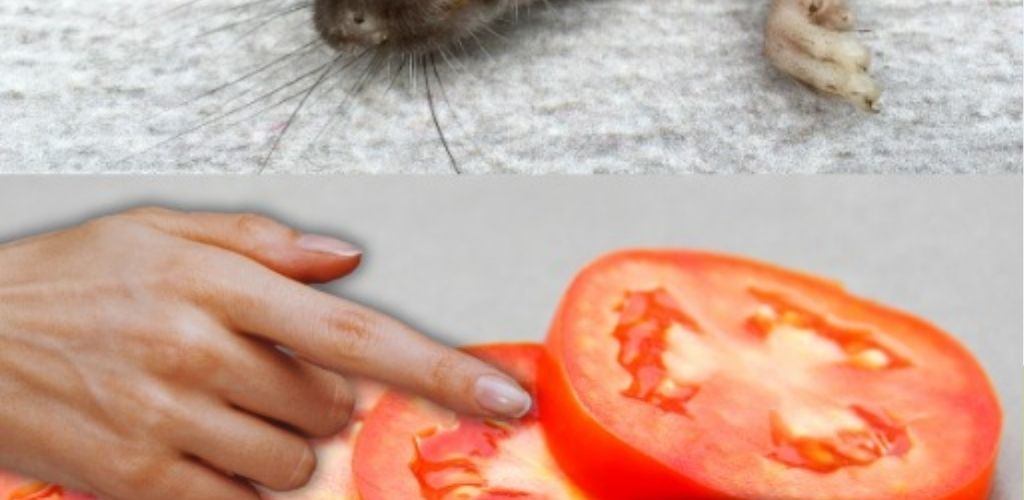
Dealing with rodents in your home can be a stressful experience. While rats and mice rarely attack humans unless they feel cornered, their presence is a significant health concern. These pests are known carriers of various diseases, making effective rodent control a top priority for any homeowner. The good news is that you don’t need harsh chemicals or cruel methods to protect your family. Using affordable, everyday materials, you can create a safe environment while ensuring that these animals continue their lives far away from your living space.
Ethical pest control focuses on deterrence rather than destruction. By understanding the biology and sensory triggers of mice, we can implement strategies that make our homes unattractive to them. Whether you are dealing with a single unwanted guest or a larger infestation, these nine proven methods provide a comprehensive toolkit for a rodent-free household. Let’s explore how to use nature’s own scents and simple physical barriers to reclaim your space.
Humane Traps and Smart Handling
If you prefer a direct approach, humane “live catch” traps are widely available and highly effective. Unlike traditional snap traps, these cage-style devices allow you to capture the mouse unharmed so you can release it into the wild. To succeed with this method, place a small amount of aromatic bait—like peanut butter or cheese—inside the cage and set it in areas where you’ve noticed activity, such as along baseboards or behind appliances.
A crucial tip for using any trap is to wear gloves during the entire setup process. Mice have an incredibly sharp sense of smell and can easily detect human scent on an object. If they smell “human” on the trap, they will likely avoid it and seek food elsewhere. By wearing gloves, you keep the trap scent-neutral, significantly increasing your chances of a successful catch. Once caught, remember to release the rodent at least a mile away from your home to prevent it from finding its way back.
The Power of Essential Oils: Peppermint and Clove
Mice rely heavily on their sense of smell to navigate, and certain scents are completely overwhelming to them. Peppermint oil is a fan favorite because it makes your home smell wonderful to humans while acting as a potent repellent for rodents. Because the scent is so concentrated, it irritates the sensitive nasal passages of mice, forcing them to steer clear of treated areas.
| Method | Ingredients | Application |
| Peppermint Barrier | 20-30 drops of Peppermint Oil + Cotton balls | Place in corners, kitchen cabinets, and bathrooms. |
| Clove Reinforcement | Clove Oil + Whole Cloves + Cotton balls | Use in high-traffic pest areas for extra intensity. |
| Freshness Cycle | New cotton balls weekly | Replace regularly to maintain a strong scent barrier. |
To maximize the effect, create small “scent satchels” using cotton balls soaked in oil. Place these in every room, focusing on entry points like under sinks and near pipe openings. For an even stronger deterrent, mix in clove oil or hide a few whole cloves inside the cotton. This dual-layered aromatic shield is one of the most effective non-toxic ways to keep mice at bay.
Natural Plant Barriers: Bay Leaves and Laurel
If you prefer a more “set it and forget it” approach, look to your herb garden. Bay leaves (Laurel) are excellent natural repellents for both mice and insects. The most effective way to use this is to place fresh branches in areas where rodents frequent. As the leaves release their natural oils, they create an invisible wall that pests hate. Once the branches dry out and lose their moisture, simply replace them with fresh ones to keep the protection active.
An even smarter strategy is to place potted Laurel plants near your home’s entrances. This prevents mice from even considering entering your house in the first place. This “living barrier” is a permanent solution that requires very little maintenance—you won’t have to worry about refilling dried leaves, and you’ll add a touch of greenery to your doorway. It’s a win-win for your home’s aesthetics and its security.
Physical Deterrents: Aluminum Foil and Texture
Mice are expert climbers, but they have their weaknesses. They find it extremely difficult to navigate smooth, slippery, or noisy surfaces. This is where ordinary aluminum foil becomes a high-tech security tool. By covering surfaces where mice might climb—such as kitchen counters, backsplashes, or pipes—you create a physical obstacle that is both difficult to grip and unpleasantly loud for the rodent.
The crinkling sound of the foil acts as a psychological deterrent, scaring the mouse away before it can reach your food storage. This is particularly useful in the kitchen or bathroom, where moisture and food scraps often attract pests. While it may look a bit unusual, using foil in hidden areas or overnight is a great temporary measure to break a rodent’s routine and encourage them to move on to an easier environment.
DIY Ultra-Spicy Rodent Repellent Spray
For a more aggressive natural solution, you can create a DIY pepper spray. Mice are highly sensitive to capsaicin, the compound that makes chili peppers hot. To make this spray, you will need one liter of water, half a cup of chopped hot peppers (Habaneros are highly recommended for their heat), and two teaspoons of pepper seeds. Warning: Always wear protective gloves and avoid touching your face while preparing this, as the mixture can cause severe skin and eye irritation.
To prepare the spray, simmer the peppers and seeds in the water to infuse the heat, let it cool, and strain the liquid into a spray bottle. Apply this solution to the exterior foundations of your home, around crawl spaces, and near any cracks in the walls. The intense heat of the chili creates a chemical “no-go zone” that mice will not cross. This DIY spray is a powerful, cost-effective ally in your journey to a pest-free home.
Did you find these natural pest control tips helpful? If so, please subscribe to our page for more eco-friendly home hacks and DIY solutions! Don’t forget to hit the “Like” button, share this post with your friends, and let us know in the comments: Which of these methods worked best for you? We love hearing your success stories!