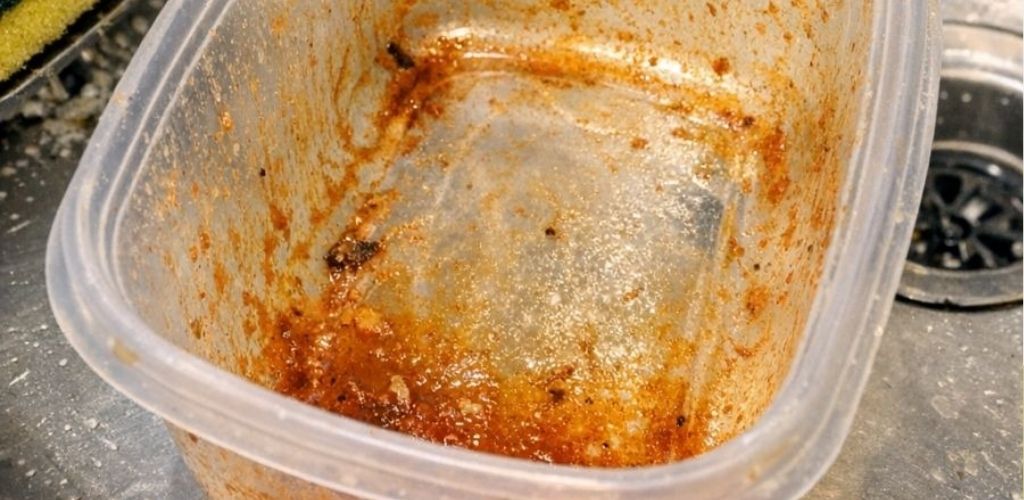
The Secret to Removing Stubborn Red Stains from Plastic Containers
Red stains on plastic containers are a universal frustration for anyone who loves meal prepping or saving leftovers. Whether it’s a rich Bolognese, a spicy curry, or a classic tomato sauce, these vibrant foods often leave behind a stubborn orange or red hue that seems impossible to wash away. The primary culprit is lycopene, a natural pigment found in tomatoes, along with other oil-soluble dyes in spices like turmeric.
Plastic is naturally porous, meaning it contains microscopic openings that act like tiny pockets for food dyes. When hot oils and pigments come into contact with the surface, they anchor themselves deep within these pores. Over time, as containers are heated in the microwave and cooled, these pores expand and contract, locking the stains in even tighter. This is why standard dish soap often fails to restore your containers to their original crystal-clear state.
My Mother’s One-Ingredient Miracle: Baking Soda
The magic ingredient for rescuing stained plastic is likely sitting in your kitchen pantry right now: Baking Soda (Sodium Bicarbonate). This humble powder is a powerhouse for domestic cleaning due to its mild abrasive texture and natural whitening properties. It is the ideal solution for lifting stains without damaging or scratching the plastic surface.
To start the process, simply sprinkle a generous amount of baking soda directly onto the stained areas of the dry container. You don’t need to worry about precise measurements—just ensure the red or orange spots are completely covered. This method is incredibly cost-effective and avoids the use of harsh chemicals that you might not want near your food storage.
Why It Works: The Science of Cleaning Porous Plastic
Baking soda works against tomato and curry stains through a dual-action process. First, its mild alkalinity helps to neutralize the acidic components found in tomato-based sauces. This chemical reaction weakens the bond between the pigment and the plastic. Second, when mixed with a tiny bit of water, it creates a paste that penetrates the microscopic pores of the container.
Plastic Stain Removal Comparison:
| Method | Effectiveness | Surface Safety | Effort Level |
| Standard Dish Soap | Low (removes grease only) | Safe | High (requires scrubbing) |
| Bleach Solution | High (but leaves odors) | Can degrade plastic | Low |
| Baking Soda Hack | Very High | Safe / Non-scratch | Minimal (no scrubbing) |
| Abrasive Sponges | Moderate | Causes micro-scratches | High |
Step-by-Step: The No-Scrub Cleaning Method
Follow these simple steps to restore your containers without breaking a sweat:
- Rinse: Start by rinsing the stained container with warm water to remove any loose food particles.
- Apply: Sprinkle baking soda generously over the red stains.
- Paste (Optional): If the stains are on the sides, add a few drops of water to create a thick paste that clings to the walls.
- Wait: This is the most important part—let the container sit. The baking soda needs time to draw the oils and pigments out of the pores.
- Rinse Again: After the waiting period, rinse the container with warm water and dry it with a clean cloth.
Optimal Soaking Time for Best Results
Patience is the key to this “lazy” cleaning hack. For light staining, a period of 15 to 30 minutes is usually sufficient for the baking soda to work its magic. However, if you are dealing with an old container that has been through the microwave multiple times with curry or tomato sauce, you should let the paste sit for at least an hour or even overnight.
During this time, the baking soda acts like a magnet, pulling the hydrophobic (water-repelling) oils out of the plastic polymers. Because this method requires zero scrubbing, you can go about your day while the chemical properties of the sodium bicarbonate do the heavy lifting for you. Once the time is up, you’ll find that the pigments wash away effortlessly.
Common Mistakes That Make Stains Worse
To keep your plasticware in top shape, avoid a few common pitfalls. First, never use heavy-duty abrasive scrubbers or steel wool; these create micro-scratches that provide even more “hiding spots” for future stains. Second, avoid putting stained containers directly into a high-temperature dishwasher cycle before treating them. The intense heat can effectively “bake” the stain into the plastic, making it permanent.
This baking soda trick works best on high-density polyethylene (HDPE) and polypropylene (PP) containers, which are the most common materials for food storage. By using this gentle yet effective method, you can extend the life of your Tupperware and keep your kitchen looking pristine. It’s a simple, eco-friendly way to maintain your home without relying on expensive or toxic cleaning products.
Did this kitchen hack save your favorite containers? We love sharing simple solutions for everyday problems! Please SUBSCRIBE to our page for more brilliant home tips, give this post a LIKE, and SHARE it with anyone struggling with stained plasticware. Do you have your own secret cleaning trick? Let us know in the comments—we’d love to hear from you!